
"Sold the Country": Rahul Gandhi alleges PM Modi is "compromised" by Adani cases and Epstein files. Inside the high-stakes political storm over the US-India Trade Deal.
 Brajesh Mishra
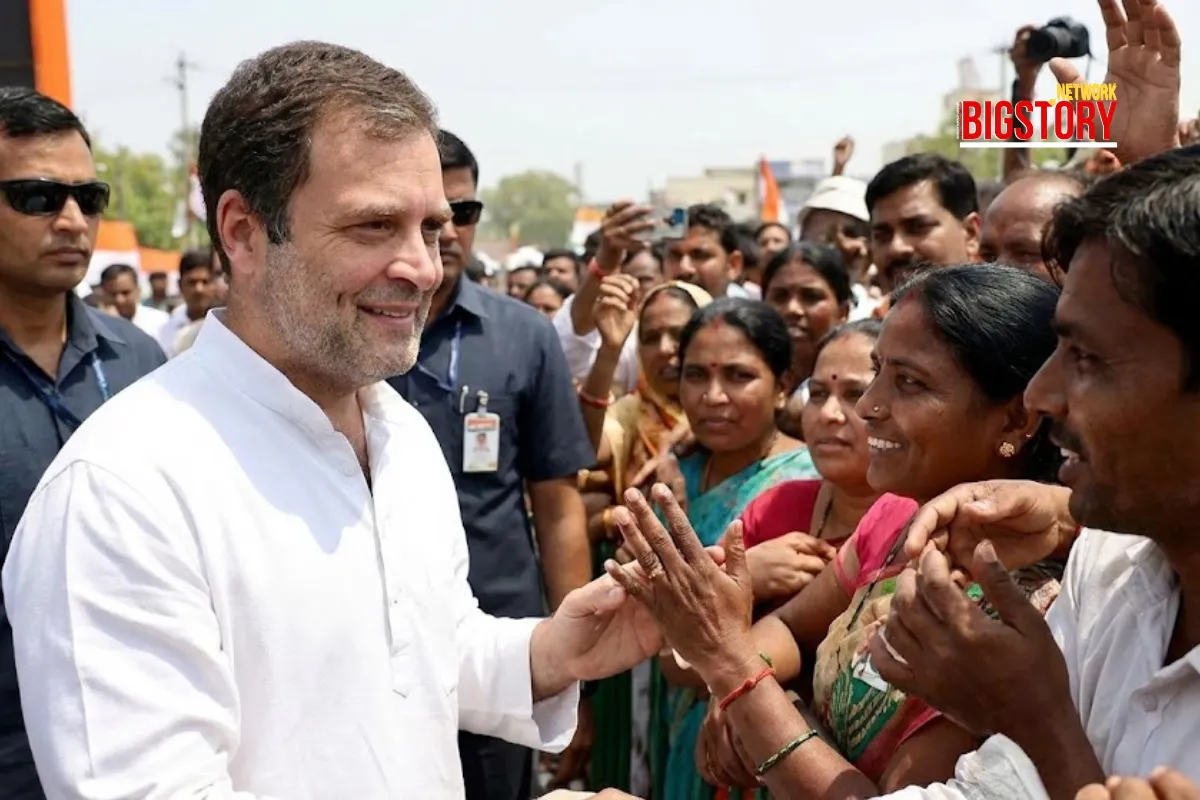
The Indian Parliament descended into unprecedented chaos today as Leader of Opposition Rahul Gandhi launched a blistering "blackmail" narrative against Prime Minister Narendra Modi. Speaking to reporters after being blocked from addressing the Lok Sabha, Gandhi alleged that the Prime Minister is "compromised" and was forced to sign the India-U.S. Trade Deal—which includes a pivot away from Russian oil—due to leverage held by Washington.
Gandhi explicitly linked the sudden finalization of the deal to two specific "pressure points": the ongoing Adani indictment in U.S. courts and unreleased documents from the Jeffrey Epstein files. The Ministry of External Affairs (MEA) had previously dismissed any links to the PM in the Epstein documents as "trashy ruminations," but Gandhi’s decision to move this fringe controversy into the mainstream marks a strategic shift from attacking the PM’s policies to attacking his personal agency.
Rahul Gandhi (Leader of Opposition): The Accuser. By using the term "compromised," he is attempting to dismantle the PM’s "Strongman" image, reframing him as a leader who is "scared" of foreign intelligence revelations.
Anurag Thakur (BJP MP): The Defender. He slammed Gandhi’s "anti-India mindset," accusing the Congress of being "unhappy" that Indian exporters received tariff relief. He framed Gandhi’s allegations as a desperate attempt to undermine a national economic victory.
Randhir Jaiswal (MEA Spokesperson): The Fact-Checker. His previous statement labeling the Epstein references as "trashy ruminations by a convicted criminal" remains the government's primary shield against the "Kompromat" narrative.
For a decade, the Opposition’s "Crony Capitalism" attack (Modi-Adani) failed to significantly dent the PM’s popularity. Gandhi’s new "Blackmail Doctrine" is a more surgical strike. By claiming the PM is being "extorted" by the U.S. using the Adani case and Epstein files, Gandhi is telling the public that the PM’s "56-inch chest" has been deflated by foreign handlers. This isn't just a trade debate; it is an attempt to recast the Prime Minister from an "Arbiter of National Interest" to a "Hostage of Personal Secrets."
If political discourse shifts from debating "what is best for the country" to "who is holding what files on whom," does the voter ever actually get to hear the truth about the economy?
Why did Rahul Gandhi call PM Modi 'compromised'? He alleged that the PM is under pressure from the U.S. government due to the Adani legal case and alleged unreleased information in the Jeffrey Epstein files.
What are the 'Epstein Files' allegations against PM Modi? Rahul Gandhi referred to unreleased material that he claims could damage the PM's image. The MEA has dismissed such references in the files as "trashy ruminations" with no basis in fact.
Why was Rahul Gandhi stopped from speaking in Parliament today? Speaker Om Birla invoked Rule 349, which prevents members from reading out quotes from unpublished books or magazine articles that are not related to the immediate business of the House.
Did India really agree to stop buying Russian oil? According to President Trump's announcement following the trade deal, India has agreed to shift its energy procurement from Russia to the U.S. and Venezuela.
What is the 'Adani Pressure Point' Rahul Gandhi mentioned? Gandhi claimed that the U.S. legal case against Gautam Adani is actually a "case against Modi," alleging that the U.S. used this as leverage to force India into the trade deal.
News Coverage
Context & Analysis
 Exclusive Content


Sign up for the Daily newsletter to get your biggest stories, handpicked for you each day.


 Trending Now! in last 24hrs


