Canadian Prime Minister Mark Carney is set to touch down in New Delhi in the first week of March 2026, marking a decisive end to the diplomatic freeze that defined the Trudeau era. The high-stakes visit, confirmed today by Indian High Commissioner Dinesh Patnaik and following a preparatory trip by Energy Minister Tim Hodgson, aims to formalize a massive "diplomatic reset" driven by economic survival.
The centerpiece of the visit will be the signing of a C$2.8 billion uranium supply contract, ensuring long-term fuel security for India’s nuclear reactors. However, the broader agenda is to kickstart negotiations for a Comprehensive Economic Partnership Agreement (CEPA), creating a new trade corridor to offset the looming threat of 35-50% tariffs from the US Trump administration.
The Context (How We Got Here)
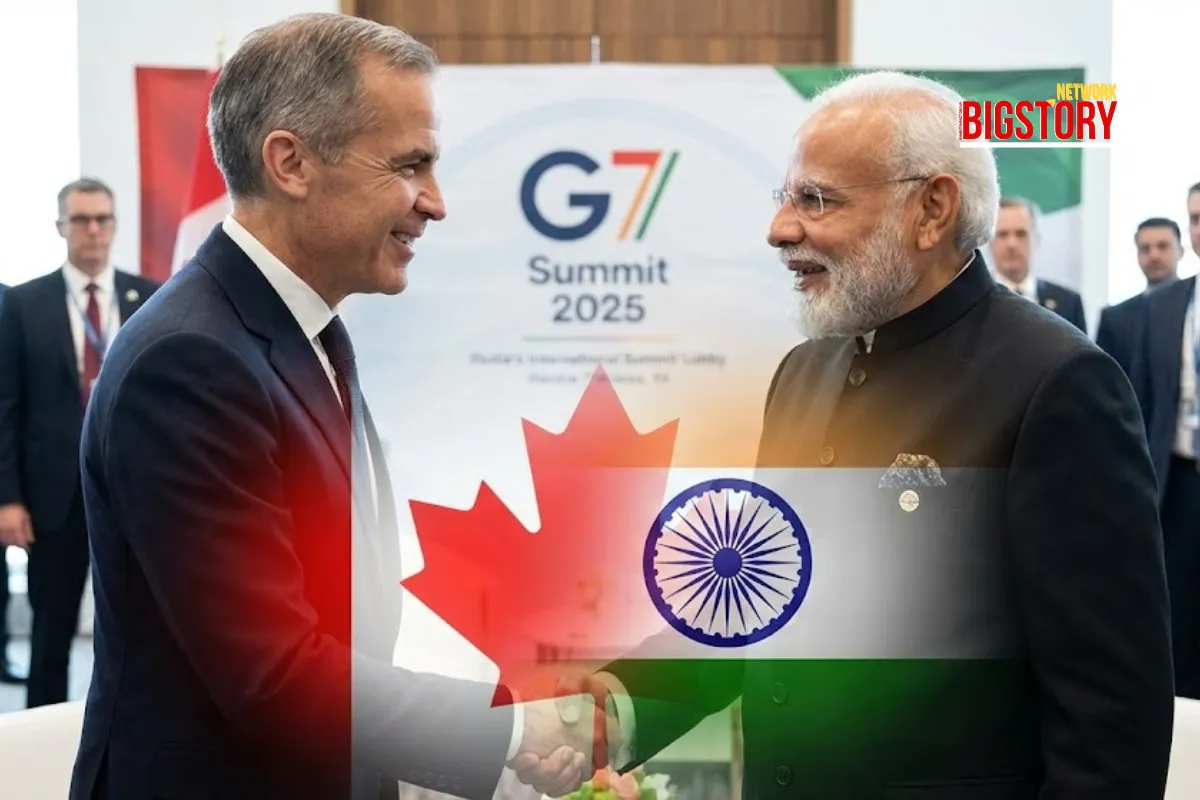
- The "Nadir" to "Reset": Relations hit rock bottom in 2023-2024 over the Hardeep Singh Nijjar controversy, leading to the mutual expulsion of diplomats. The turning point came in June 2025, when newly elected PM Carney invited Prime Minister Narendra Modi to the G7 Summit in Alberta, signaling a return to "pragmatic diplomacy."
- The Catalyst: On January 20, 2026, Carney delivered a landmark speech at Davos, warning that the "old rules-based order" is broken. With the US threatening punitive tariffs on Canadian goods, Carney’s pivot to India is a strategic attempt to "de-risk" Canada’s economy from its southern neighbor.
- The Energy Prelude: Just yesterday (Jan 27), the two nations signed an energy pact in Goa. The March visit is the capstone event to elevate this sectoral cooperation into a strategic alliance.
The Key Players (Who & So What)
- Mark Carney (Prime Minister of Canada): The Strategist. Unlike his predecessor, Carney is prioritizing "Canada First" economics over ideological rigidity. His "Middle Power" doctrine argues that nations like Canada and India must unite to survive the era of US economic coercion.
- Dinesh Patnaik (Indian High Commissioner): The Facilitator. He officially confirmed the timeline, stating, "I have a feeling the first week of March is what we are looking at," with an ambitious goal to double bilateral trade to $50 billion by 2030.
- Tim Hodgson (Canadian Minister of Energy): The Broker. His successful meetings in New Delhi this week cleared the technical hurdles for the uranium deal, leaving only the ceremonial signing for the Prime Ministers.
The BIGSTORY Reframe (The "Middle Power Fortress")
Mainstream media is framing this as "Healing Old Wounds." The real story is Survival against US Protectionism.
- The "Trump Refugee" Effect: Both India (facing potential 50% tariffs) and Canada (facing 35%) are in the crosshairs of President Trump’s trade war. This alliance isn't about friendship; it's a defensive pact. Carney is betting that a "Middle Power Fortress"—combining Canadian resources with Indian markets—can withstand the shock of US isolationism.
- Compartmentalization: The diplomatic genius lies in "ring-fencing" the Nijjar issue. Much like India’s approach to China (border conflict vs. trade), Canada and India have agreed to disagree on intelligence matters while aggressively pursuing trade. There will be no apologies, just contracts.
- The AI Swap: A unique component of the deal is the "Compute for Talent" partnership. Canada plans to offer its surplus clean energy "compute power" to India’s AI sector, in exchange for easing visa mobility for Indian tech talent—effectively making Canada the "Green Battery" for India’s AI ambitions.
The Implications (Why This Matters)
- Uranium Boom: The C$2.8 billion deal is a massive win for Saskatchewan’s Cameco Corp. With global nuclear demand rising, locking in India as a long-term buyer stabilizes the Canadian uranium sector against market volatility.
- Visa Policies: Expect a new "Mobility Agreement" to be announced in March. To sweeten the trade deal, Canada is likely to streamline work visas for Indian professionals in high-demand sectors like AI and healthcare, bypassing the current backlog.
- Trade Target: The goal to reach $50 billion by 2030 is ambitious but feasible if the CEPA negotiations succeed. This would fundamentally shift Canada’s trade dependency away from the US and towards the Indo-Pacific.
The Closing Question (Now, Think About This)
If Canada and India—two nations that were diplomatically estranged just a year ago—can unite to survive the economic storm, who else will be forced to bury the hatchet as the global trade order fractures?
FAQs: Decoding the Visit
1. When is Canadian PM Mark Carney visiting India? Mark Carney is expected to visit India in the first week of March 2026. The visit follows a successful preparatory trip by Canadian Energy Minister Tim Hodgson.
2. What is the main agenda of the visit? The primary agenda includes signing a C$2.8 billion uranium supply deal, launching negotiations for a Comprehensive Economic Partnership Agreement (CEPA), and establishing partnerships in Critical Minerals and Artificial Intelligence.
3. Did Canada apologize for the Nijjar allegations? No. There has been no apology. Both governments have adopted a strategy of "compartmentalization," agreeing to separate security/intelligence disputes from trade and economic cooperation to move the relationship forward.
4. How does this visit relate to the US? The visit is largely driven by rising US protectionism. With the Trump administration threatening high tariffs on both Canadian and Indian goods, both nations are seeking to diversify their trade partners to reduce reliance on the US market.
5. What is the "Compute for Talent" deal? This is a proposed partnership where Canada provides its clean energy-backed "compute power" (essential for AI processing) to Indian tech companies, in exchange for India providing skilled AI talent and engineers to Canada.
Sources
News Coverage
Context & Analysis

 Sseema Giill
 Exclusive Content