
The US-India Trade Deal 2026 isn't just about oil. Discover how the "Silicon Corridor" unlocks elite AI hardware and positions India in the Pax Silica coalition.
 Sseema Giill

While the global media is fixated on the "oil-for-tariffs" swap, a much deeper and more permanent shift is occurring in the semiconductor landscape. Hidden within the $500 billion "Buy American" commitment is a strategic bypass of the U.S. "Section 232" semiconductor duties. By aligning with the U.S. and distancing itself from Moscow, India has effectively joined the Pax Silica—a U.S.-led coalition designed to secure AI supply chains and isolate adversaries.
Today’s announcement isn't just about textiles and gems; it is the official launch of a "Silicon Corridor." This agreement gives Indian data centers and AI startups a privileged "trusted partner" status, potentially exempting them from the 25% "AI Tax" on high-performance GPUs (like NVIDIA's H200s) that was imposed just last month. For the first time, India is being treated not just as a consumer, but as a "White-Listed" node in the global AI race.
Jacob Helberg (U.S. Under Secretary of State): The architect of Pax Silica. He has positioned India’s entry into the silicon coalition as a "strategic leap," ensuring that advanced AI stays in "democratic hands."
Ashwini Vaishnaw (IT & Electronics Minister): The strategist behind India’s AI infrastructure. He is leveraging the deal to fuel $200 billion in data center investments, aiming to make India a "sovereign AI" hub using U.S. hardware.
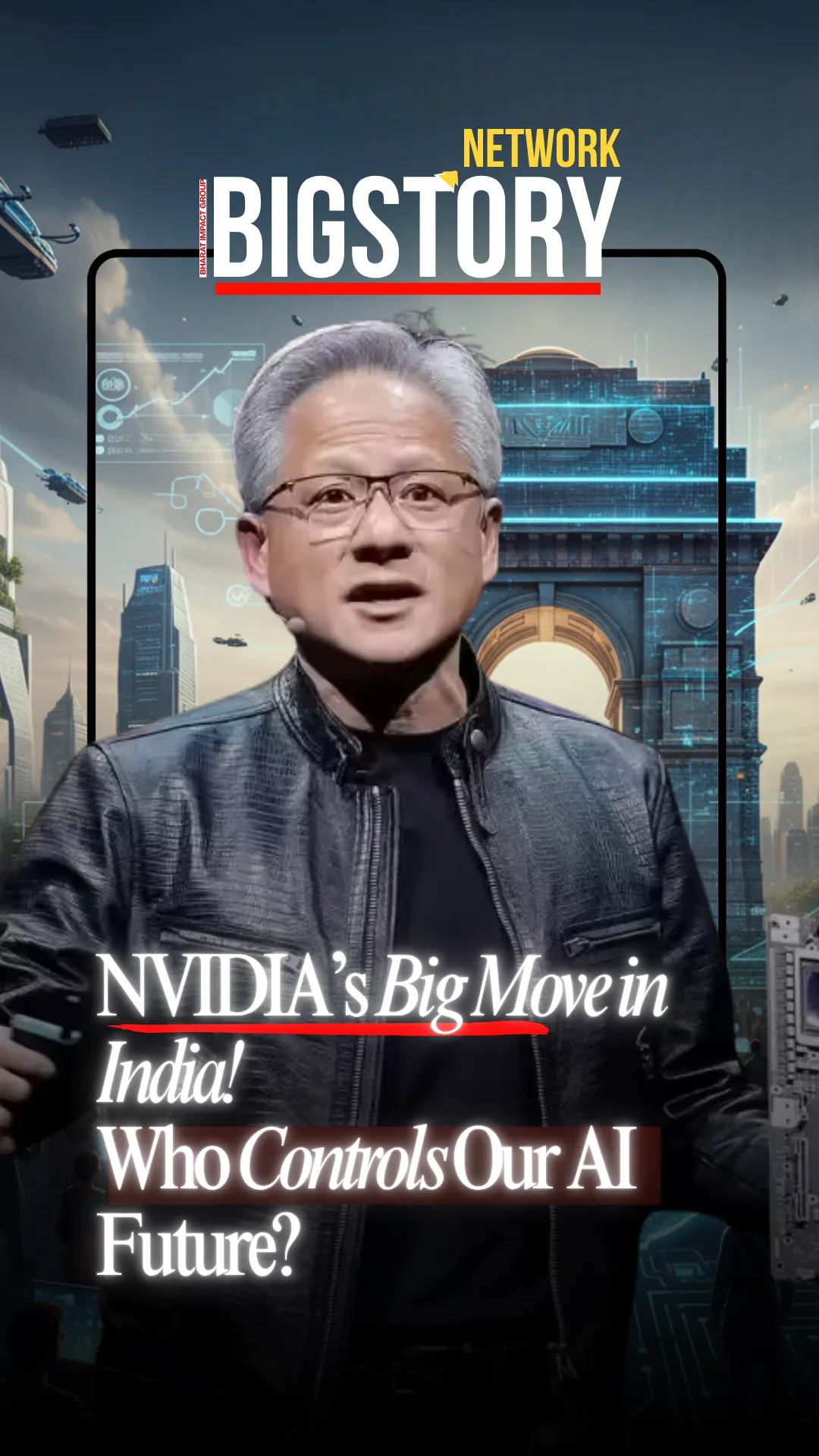
Jensen Huang (NVIDIA CEO): The beneficiary. With a new "revenue-sharing" model already tested in China, this deal allows NVIDIA to bypass export bottlenecks in India, turning a massive untapped market into a compliant, high-revenue corridor.
The real story isn't the 18% tariff on garments—it's the Silicon Sovereignty Swap. India has realized that in 2026, "Compute" is more valuable than "Crude." By abandoning cheap Russian oil, India is paying a premium for U.S. energy today to secure the "brainpower" of tomorrow.
This isn't just a trade deal; it’s an insurance policy. As the U.S. tightens the screws on global chip exports to prevent "diversion" to China or Russia, India has bought its way into the "Trusted Circle." India is no longer an outsider begging for chips; it is now a partner paying for the privilege of staying at the cutting edge of the AI revolution.
If India's future intelligence depends entirely on U.S.-controlled silicon, has it actually gained sovereignty, or simply moved from an energy leash to a digital one?
FAQs
What is the 'Silicon Corridor' in the US-India trade deal? It refers to a series of agreements (TRUST and Pax Silica) that grant India preferential access to high-end U.S. semiconductors and AI hardware in exchange for trade and energy concessions.
Will NVIDIA and AMD chips be cheaper in India after the deal? Likely yes. By being "White-Listed," Indian importers may avoid the 25% national security tariffs that apply to non-allied nations.
How does the trade deal impact India's AI mission? The deal removes the "overhang" of tech blockades, allowing Indian data centers to procure the GPUs necessary for large-scale AI model training and inference.
What is 'Pax Silica' and why is India's entry important? Pax Silica is a U.S.-led coalition for secure AI supply chains. India's entry marks it as a "trusted node," moving it away from the tech-neutrality it previously maintained.
Is there a link between Russian oil and AI chips in this deal? Yes. President Trump explicitly linked the reduction of trade barriers and tech access to India's commitment to stop buying Russian oil.
News Coverage
Context & Analysis
 Exclusive Content


Sign up for the Daily newsletter to get your biggest stories, handpicked for you each day.



 Trending Now! in last 24hrs


