US-India Trade Deal 2026: Trump cuts tariffs to 18% as India agrees to halt Russian oil imports. Deep-dive analysis on the $500B energy pivot and market impact.
 Brajesh Mishra
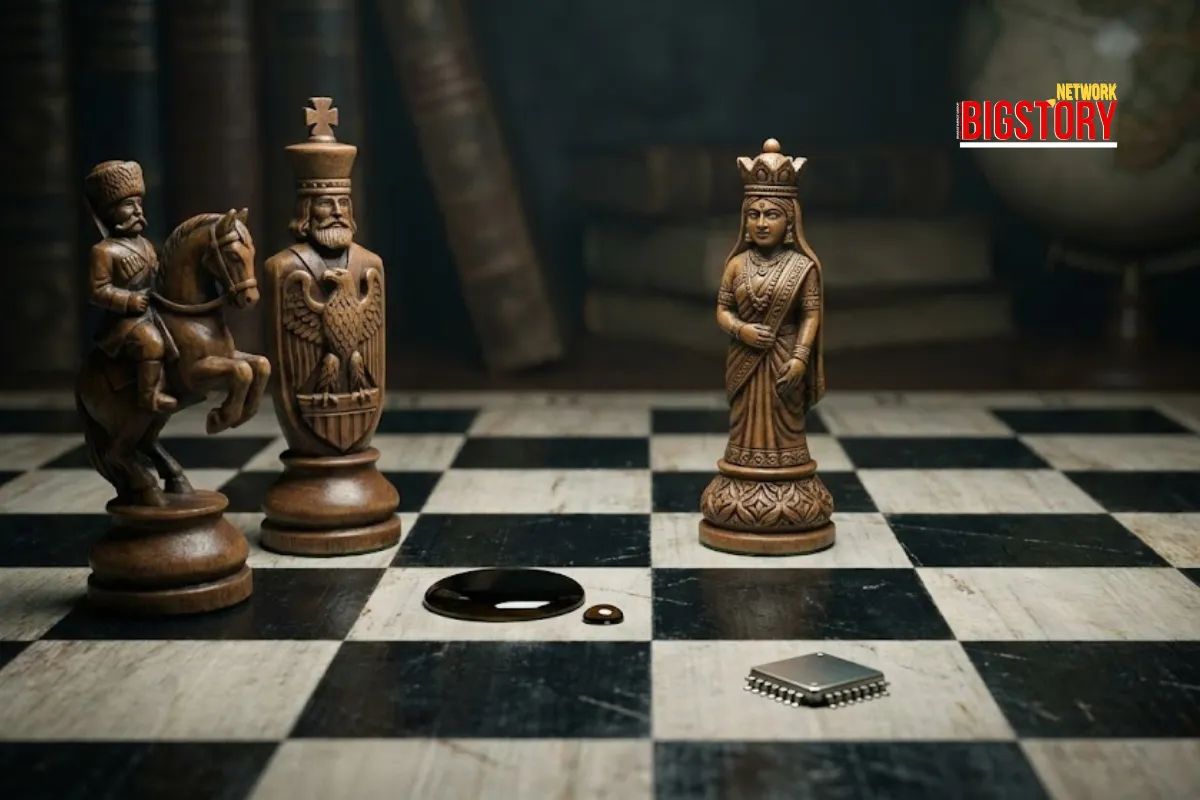
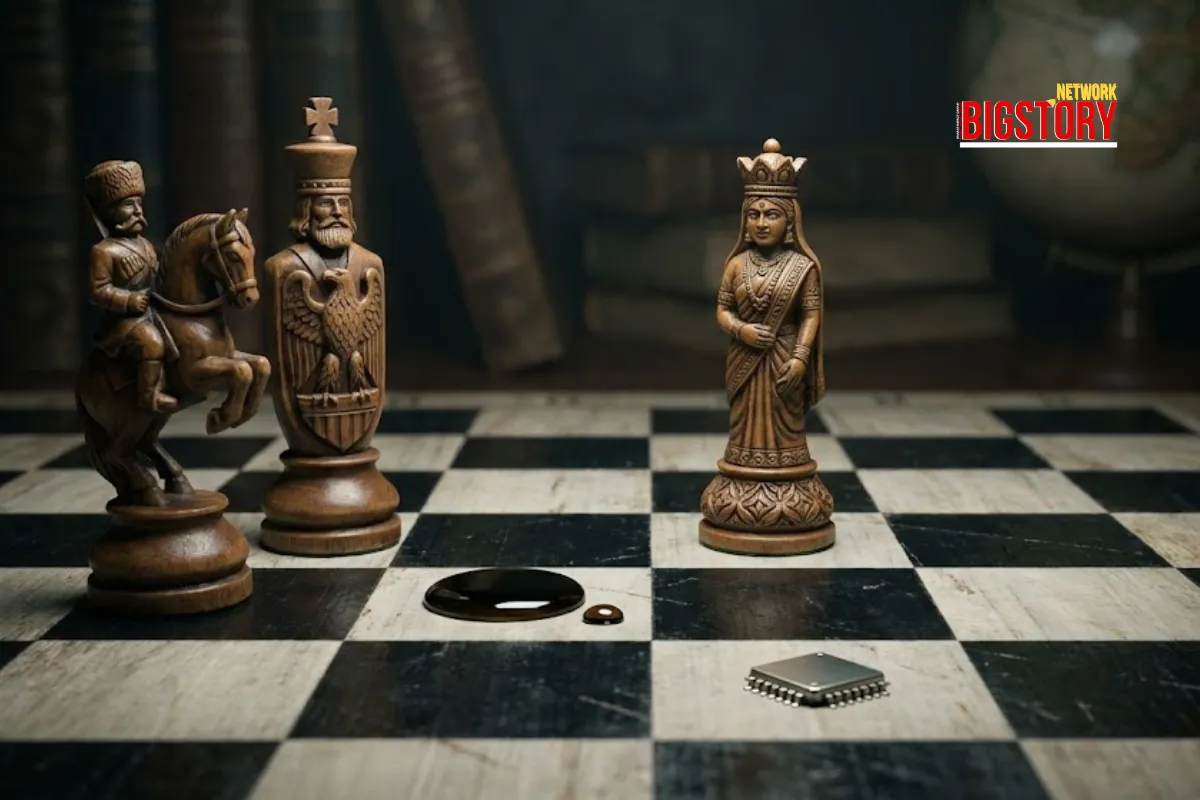
A massive diplomatic "he-said, she-said" has erupted tonight following President Donald Trump’s announcement of a landmark US-India trade deal. While Trump took to social media to declare that Prime Minister Modi has agreed to a total halt of Russian oil imports, the Kremlin has hit back with a chillingly calm denial. Kremlin spokesperson Dmitry Peskov stated today that Russia has received "no official communication" regarding a stoppage, setting the stage for a high-stakes showdown over the truth.
This isn't just a dispute over oil; it is a battle for the soul of India’s foreign policy. If Trump’s claim is true, India has just abandoned its oldest strategic ally in exchange for a tariff cut from 50% to 18%. If it is false, the "Master of the Deal" may have just overplayed his hand, creating a trap for New Delhi that could alienate both Washington and Moscow simultaneously.
Dmitry Peskov (Kremlin Spokesman): The voice of Russian disbelief. By stating Moscow has heard "nothing" from Delhi, he is forcing India to either publicly confirm the "betrayal" or publicly contradict President Trump.
Vinay Mohan Kwatra (Indian Ambassador to US): The diplomat in the crossfire. While he welcomed the "unlocking" of trade, his notable silence on the specific "Russian Oil Ban" highlights the tightrope New Delhi is currently walking.
P. Chidambaram (Opposition Leader): The domestic critic. He is already questioning the "complications" of trading reliable Russian barrels for volatile Venezuelan/U.S. supply, labeling the move a surrender of sovereignty.
The mainstream media is treating the "Oil Ban" as a settled fact, but the real story is the Ghost Pivot. India is likely attempting to "taper" rather than "terminate." By not issuing a formal statement, New Delhi is trying to secure the 18% U.S. tariff relief while keeping the Russian tap open under the radar through intermediaries.
However, Trump’s public "outing" of the deal has destroyed that ambiguity. India can no longer play both sides. This is a Diplomatic Insolvency crisis: India has promised the same energy loyalty to two different masters, and by the end of this week, one of them will be proven wrong.
In the world of "America First," is there any room left for India to be "India First," or has the price of market access become the permanent loss of an independent voice?
Did India officially announce a ban on Russian oil? No. While President Trump claimed India agreed to stop buying Russian oil, the Indian government has not yet issued a formal confirmation or gazette notification.
How has Russia reacted to the US-India trade deal? The Kremlin stated it has received "no word" from New Delhi about stopping energy purchases and intends to continue its strategic partnership with India.
Can Indian refineries handle the switch from Russian to US oil? It is difficult. Many Indian refineries are optimized for "heavy-sour" Russian crude; switching to "light-sweet" U.S. oil requires technical recalibration and carries higher freight costs.
Why did India agree to buy oil from Venezuela? Trump suggested Venezuela as an alternative source to replace Russian and Iranian supply, part of a broader U.S. strategy to control India’s energy procurement.
What happens to the trade deal if India keeps buying Russian oil? There is a high risk of a "tariff snapback." The reduction to 18% is contingent on the oil pivot; failure to comply could see the 50% punitive duties return.
News Coverage
Context & Analysis
 Exclusive Content


Sign up for the Daily newsletter to get your biggest stories, handpicked for you each day.

 Trending Now! in last 24hrs