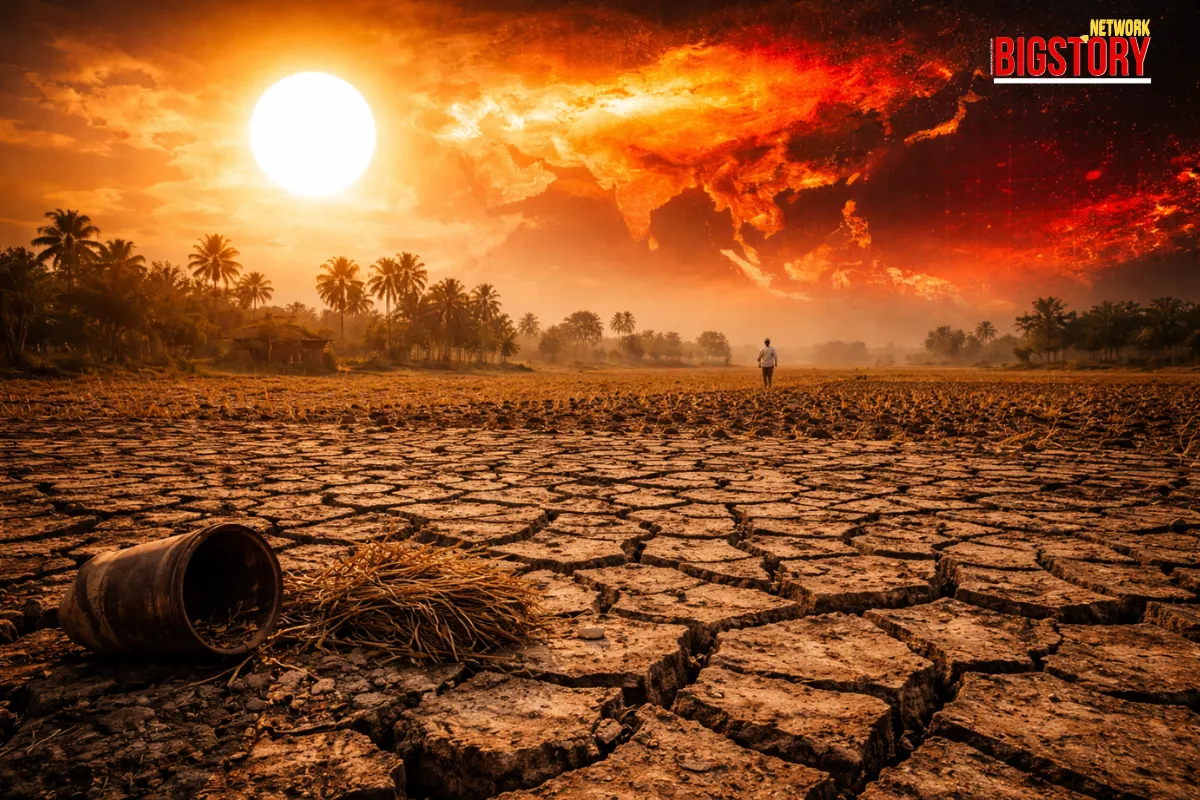
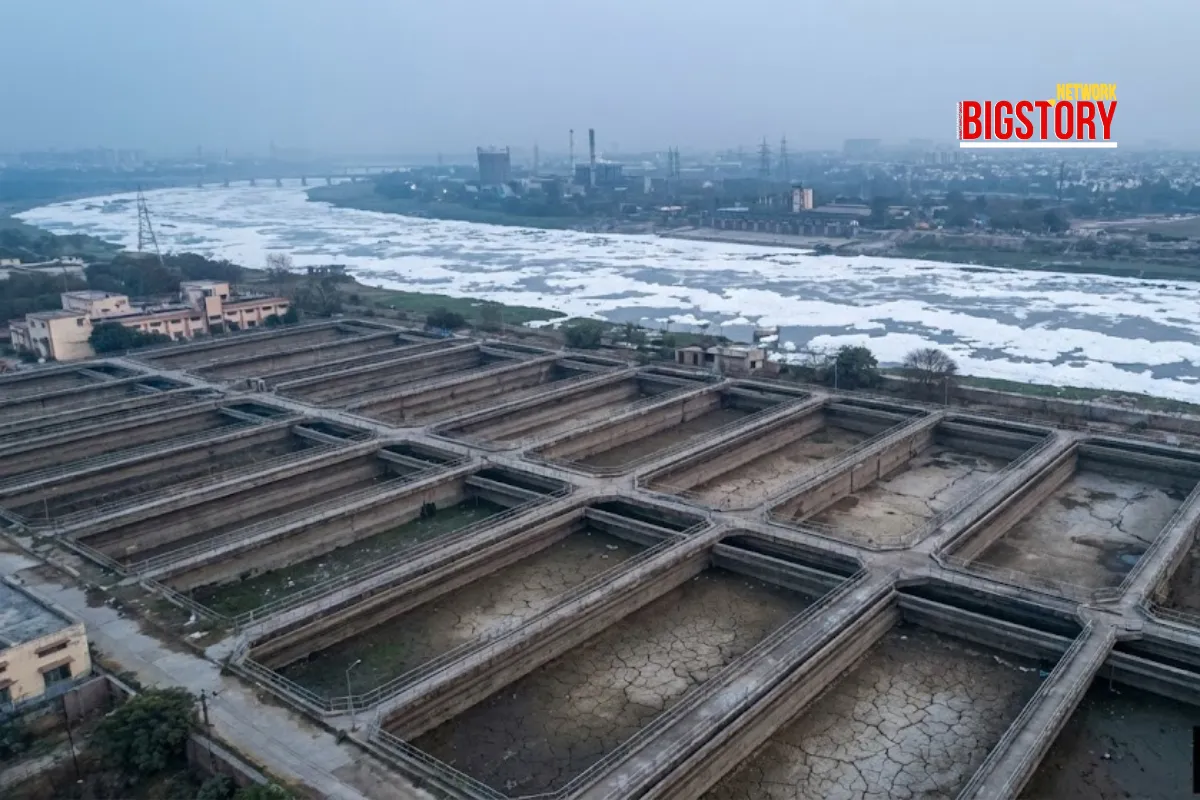
A severe water crisis has gripped the national capital today, January 23, 2026, forcing the Delhi Jal Board (DJB) to shut down the Wazirabad Water Treatment Plant and curtail operations at five other critical facilities. The crisis is driven by a "double whammy": a massive spike in ammonia levels in the Yamuna River combined with a scheduled closure of the Munak Canal by Haryana for urgent repairs.
The shutdown has left major parts of North, Central, and West Delhi—including the VVIP Lutyens' zone housing Parliament and Ministries—with dry taps. Authorities have warned that the situation is expected to persist until February 4, 2026, forcing the administration to deploy emergency tanker fleets to ration supply across the city.
The Context (How We Got Here)
- The Political Shift: This is the first major infrastructure test for the BJP government led by CM Rekha Gupta, which swept to power in February 2025 ending AAP's decade-long rule. The crisis hits the very "double engine" promise (BJP in Delhi and Haryana) that was central to their campaign.
- The Trigger: On January 19, the Haryana Irrigation Department notified Delhi of a complete closure of the Carrier Lined Channel (Munak Canal) to fix leakages, cutting raw water flow by 50%.
- The Escalation: Simultaneously, between January 21-23, ammonia levels in the Yamuna spiked to 3 ppm (well above the treatable limit of 0.9 ppm), rendering the remaining raw water unusable and forcing the total shutdown of the Wazirabad plant.
The Key Players (Who & So What)
- Parvesh Sahib Singh (Water Minister): The man in the hot seat. Having spent years criticizing the previous AAP regime for water mismanagement, he now faces the challenge of fixing the legacy infrastructure. He has promised a shift from "ad-hoc arrangements to permanent solutions," but the current crisis mirrors the failures of the past.
- Delhi Jal Board (DJB): The responder. Facing a 1,000 MGD deficit, the board has deployed 600 new EV-mounted tankers equipped with GPS trackers to prevent black-market diversion, attempting a tech-led mitigation strategy.
- Rekha Gupta (Chief Minister): The administrator. With the crisis hitting the NDMC area (the seat of central power), her administration is under intense scrutiny to resolve the coordination failure with neighboring Haryana.
The BIGSTORY Reframe (The "Double Engine" Stress Test)
Mainstream media is covering this as a standard "Delhi vs. Haryana" water dispute. The real story is the Internal Coordination Failure.
- The "Friendly Fire": Unlike previous years, the same party (BJP) is in power in both Delhi and Haryana. The "Opposition Blockade" excuse is dead. This crisis reveals that bureaucracy often trumps political alignment. Why did Haryana schedule repairs during a known ammonia spike window?
- The Tech Pivot: The crisis highlights the DJB's shift to EV Tankers and IoT tracking. This isn't just about water; it's about breaking the "Tanker Mafia." If the new GPS-tracked fleet successfully delivers water without diversion, it could be a governance breakthrough amidst the shortage.
The Implications (Why This Matters)
- VVIP Impact: The shortage in the Lutyens' Zone (New Delhi Municipal Council area) is rare. When the homes of MPs and Ministers go dry, policy expedites. Expect rapid approval for new upstream treatment plants or inter-state agreements in the coming weeks.
- The Feb 4 Deadline: A 10-day disruption is politically expensive. If the supply isn't restored by the deadline, public sentiment—already fragile regarding infrastructure promises—could turn sharply against the new state government.
- Health Risk: With residents in North Delhi potentially turning to groundwater or unauthorized tankers, the risk of waterborne diseases rises. The "Ammonia Water" cannot be treated, meaning any water that does flow must be carefully quality-checked.
The Closing Question (Now, Think About This)
If a "Double Engine" government cannot coordinate a canal repair schedule between two neighboring states, is the engine broken, or just the schedule?
FAQs
- Which areas in Delhi are affected by water shortage today? Major affected areas include North Delhi (Civil Lines, Model Town), Central Delhi (NDMC/Lutyens' Zone), and West Delhi (Janakpuri, Dwarka, Punjabi Bagh).
- Why is there no water in Delhi in January 2026? The shortage is due to a "double whammy": high ammonia levels (3 ppm) in the Yamuna River forcing the closure of treatment plants, and the simultaneous shutdown of the Munak Canal by Haryana for urgent repairs.
- When will the water supply be restored? Authorities have stated that the situation is likely to persist until February 4, 2026, when the Munak Canal repairs are scheduled to be completed.
- Who is the current Water Minister of Delhi? Parvesh Sahib Singh (Verma) of the BJP is the current Water Minister, following the party's victory in the 2025 Assembly elections.
- What is the DJB doing to manage the crisis? The Delhi Jal Board is rationalizing water distribution (shifting supply from surplus to deficit zones) and has deployed a fleet of 600 GPS-enabled EV tankers to supply critical areas and prevent black-market diversion.
Sources
News Coverage
Context & Analysis

 Ritika Das
 Exclusive Content