During his Delhi visit, Putin pledged "uninterrupted" oil supplies to India despite US sanctions causing a sharp drop in December imports.
 Ritika Das
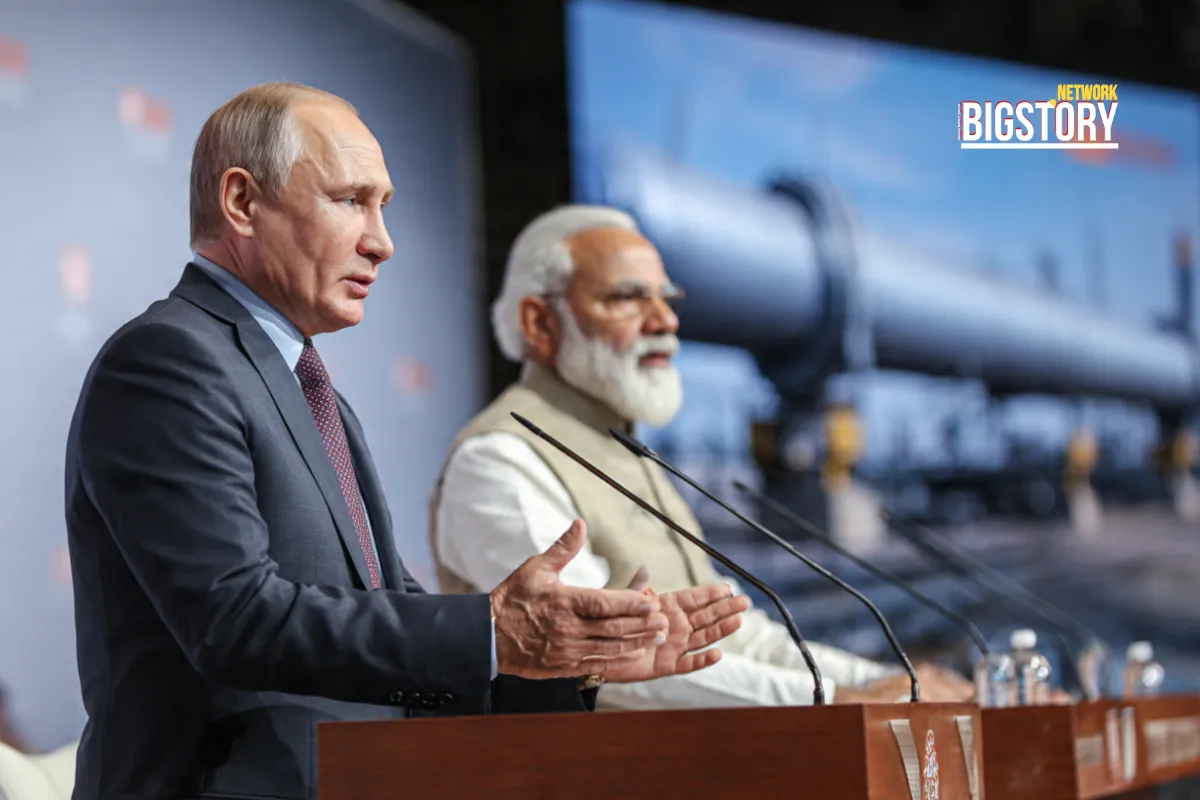
Russian President Vladimir Putin, currently in New Delhi for the 23rd India-Russia Annual Summit, has issued a forceful pledge to maintain "uninterrupted" oil supplies to India. Speaking alongside Prime Minister Narendra Modi on December 5, 2025, Putin declared Russia a "reliable supplier," directly challenging recent US and EU sanctions targeting Moscow's energy exports. The assurance comes at a critical moment: Indian refiners have paused Russian purchases due to compliance fears, causing projected imports for December to crash by nearly 67% to just 600,000 barrels per day.
Since the Ukraine invasion in 2022, Russia has become India's top oil supplier, providing nearly 40% of its crude. However, the trade faces its stiffest test yet. In November, the Trump administration imposed 50% tariffs on Indian goods linked to Russian oil and sanctioned key Russian producers Rosneft and Lukoil. Indian refiners like Reliance and HPCL, wary of secondary sanctions, have halted direct purchases. Putin’s visit is designed to bridge this gap, with the Kremlin promising new "workaround" mechanisms—likely involving shadow fleets and non-sanctioned intermediaries—to bypass the Western financial blockade.
While headlines focus on the "oil pledge," the deeper story is the "Nuclear Pivot." Oil is a commodity that can be bought anywhere; nuclear technology is a strategic marriage. During this visit, Russia delivered advanced nuclear fuel for the Kudankulam plant and discussed localizing Small Modular Reactor (SMR) technology in India. Unlike oil, which is transactional, nuclear cooperation locks India and Russia into a multi-decade technological embrace that the West cannot easily sanction or replace. This nuclear dependency—not oil—is the true "iron lung" of the strategic partnership.
If Putin's "workarounds" succeed, it proves the ineffectiveness of the Western sanctions regime, creating a parallel global energy market immune to the dollar. If they fail, India faces a $9 billion annual spike in its import bill as it shifts to Middle Eastern crude, potentially weakening the rupee further. Politically, the visit cements India's refusal to isolate Russia, but the sharp drop in actual oil flows suggests that while the diplomatic spirit is willing, the economic flesh is weak.
If a "reliable supplier" requires a shadow fleet and secret payments to deliver a barrel of oil, is it really reliable—or just desperate?
What did Putin promise India regarding oil supplies? During his December 2025 visit, President Putin pledged that Russia would maintain "uninterrupted" supplies of crude oil, gas, and coal to India, positioning Russia as a reliable energy partner despite Western sanctions.
Why did India's Russian oil imports drop in December 2025? Imports fell to a 3-year low of ~600,000 barrels per day because Indian refiners paused purchases. This was due to new US sanctions on key suppliers like Rosneft and Lukoil, and the fear of secondary sanctions or banking issues.
How will Russia bypass sanctions to supply oil to India? The Kremlin has indicated it will use "workaround" mechanisms, which likely include using non-sanctioned intermediaries, a "shadow fleet" of tankers, and alternative payment systems to continue the flow of oil outside of Western financial oversight.
What is the significance of the Kudankulam nuclear plant in this context? While oil trade faces volatility, nuclear cooperation provides a stable, long-term anchor for the relationship. During the visit, Russia delivered advanced nuclear fuel for the Kudankulam plant, reinforcing a strategic dependency that is harder for the West to sanction than oil.
News Coverage
 Exclusive Content


Sign up for the Daily newsletter to get your biggest stories, handpicked for you each day.

 Trending Now! in last 24hrs