
Rajnath Singh commissions ICGS Samudra Pratap, India's first indigenous pollution control vessel. A response to the 2025 oil spill disasters.
 Brajesh Mishra
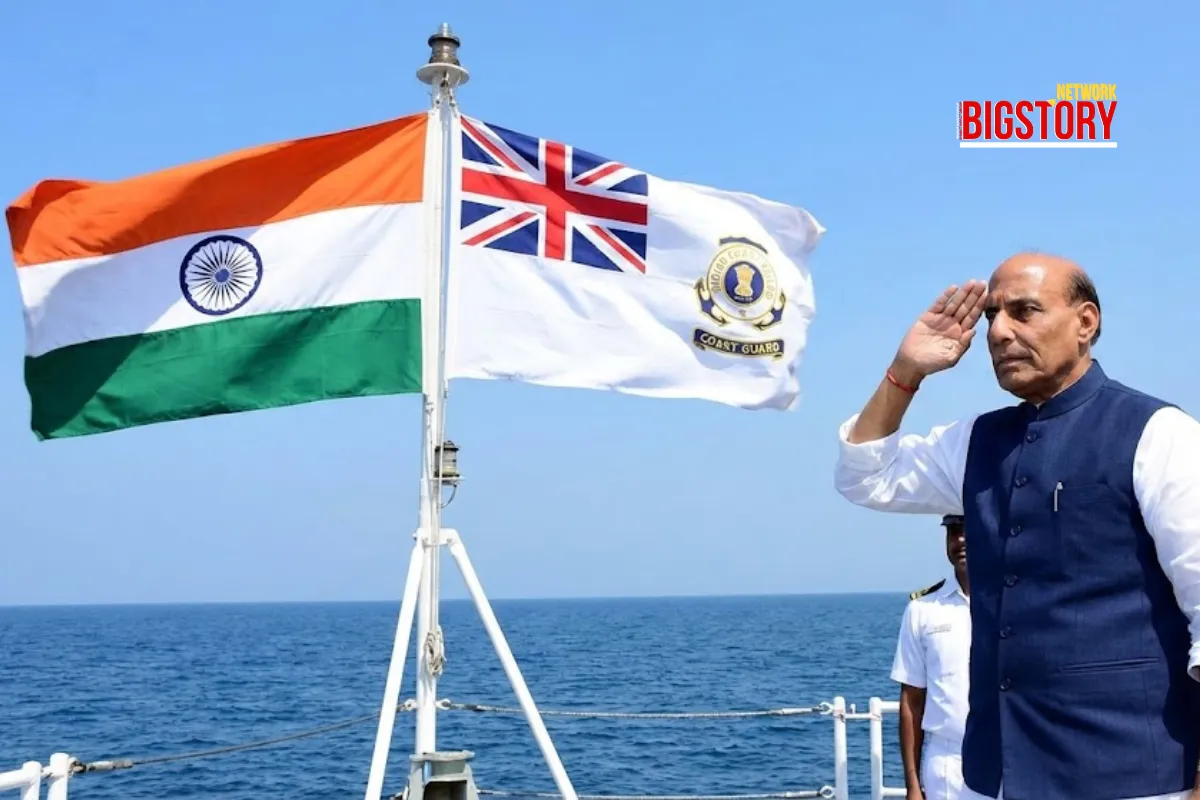
The timing is no coincidence. On January 5, 2026, Defence Minister Rajnath Singh commissioned ICGS Samudra Pratap in Goa, hailing it as a triumph of indigenous engineering. But for maritime observers, the vessel’s arrival is a delayed answer to a catastrophe. Exactly seven months ago, the sinking of the MSC Elsa 3 and the fire on the MV Wan Hai 503 dumped hazardous chemicals and plastic into India’s western waters, overwhelming the Coast Guard’s existing fleet. The 114.5-meter Samudra Pratap is not just a new ship; it is the first tangible plug in a gaping hole in India’s maritime environmental defense.
In May and June 2025, India’s coastline faced a twin assault. The MSC Elsa 3 capsized off Alappuzha, releasing a toxic slick and millions of plastic nurdles that reached as far as Sri Lanka. Days later, the Wan Hai 503 burned for nearly two weeks, threatening an ecological dead zone off Kerala. The Coast Guard’s response was valiant but insufficient, hampered by a lack of specialized vessels capable of handling chemical spills in rough seas. The Samudra Pratap, designed specifically for this role with advanced oil recovery systems and "Dynamic Positioning" technology, is the direct operational lesson learned from those weeks of helplessness.
While mainstream media focuses on the "Make in India" success, the deeper story is the "Crisis Response Gap." The Samudra Pratap is a state-of-the-art firefighter, but it has arrived after the house already burned down. The wreckage of the MSC Elsa 3 remains on the seabed, a "ticking time bomb" of unrecovered hazardous cargo. This vessel can fight the next spill, but it cannot undo the damage of the last one. The commissioning highlights a reactive rather than proactive maritime policy: we build the ambulance only after the accident.
Furthermore, the "Green Irony" is inescapable. This "pollution control" vessel runs on two massive diesel engines. At a time when global shipping is pivoting to LNG, methanol, and hybrids, India’s premier environmental defender is powered by the very fossil fuels it is meant to clean up. It reflects a difficult trade-off between proven reliability for emergency operations and the urgent need for decarbonization.
Operational capacity has jumped, but strategic challenges remain. With Samudra Pratap based in Kochi, the Western Seaboard is now better protected. However, the Eastern Seaboard remains vulnerable until its sister ship arrives. Until then, India’s maritime environmental security is lopsided—robust in the Arabian Sea, but fragile in the Bay of Bengal.
We have the ship to clean up the oil, but do we have the regulations to stop the rusty tankers from spilling it in the first place?
What is ICGS Samudra Pratap? ICGS Samudra Pratap is India's first indigenously designed and built Pollution Control Vessel (PCV). Commissioned on January 5, 2026, it is equipped with advanced technology to detect and contain marine oil spills and chemical pollution.
Why was the commissioning of Samudra Pratap significant? The commissioning is a direct response to the major maritime disasters of 2025 (the sinking of MSC Elsa 3 and the fire on MV Wan Hai 503), which exposed critical gaps in India's ability to handle large-scale marine pollution incidents.
Where was Samudra Pratap built? The vessel was built by Goa Shipyard Limited (GSL). It highlights India's "Atmanirbhar Bharat" initiative with over 60% indigenous content, reducing reliance on foreign designs for specialized coast guard vessels.
News Coverage
Context & Background
 Exclusive Content


Sign up for the Daily newsletter to get your biggest stories, handpicked for you each day.


 Trending Now! in last 24hrs