ECI deletes 2.89 crore names from UP voter list. 18% of electorate removed. Check if you are affected and understand the political fallout.
 Brajesh Mishra
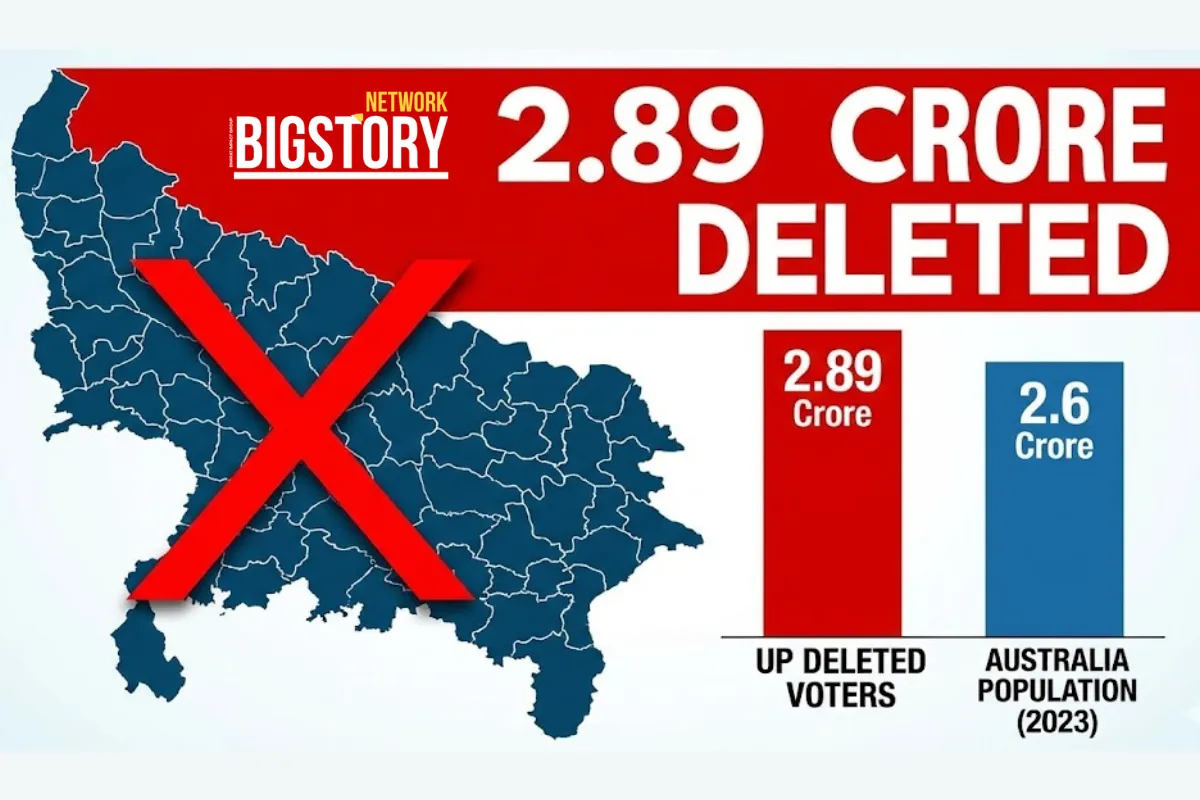
The scale of the deletion is staggering. On January 6, 2026, the Election Commission of India (ECI) released the draft electoral roll for Uttar Pradesh, revealing that a colossal 2.89 crore (28.9 million) names have been deleted from the voter list. This represents nearly 18% of the state's total electorate, a figure unprecedented in recent history. The deletions come after a months-long "Special Intensive Revision" (SIR) aimed at weeding out dead, shifted, and duplicate voters. While the ECI insists this is a routine hygiene exercise to ensure a "clean" roll for the 2027 Assembly elections, the sheer magnitude of the purge has triggered immediate panic among political parties, with allegations of "vote chori" (vote theft) and demographic targeting already surfacing.
The process began in late 2025 under the ECI's Special Intensive Revision (SIR) program. The exercise involved door-to-door verification by Booth Level Officers (BLOs). According to the data, the deletions include 46 lakh deceased voters, 32 lakh shifted voters, and millions of "absentee" or duplicate entries. However, the timing and concentration of these deletions are controversial. Reports indicate that urban districts and areas with high minority populations have seen disproportionately higher deletion rates. This follows a pattern of heightened scrutiny on electoral rolls after the close contests in the 2024 Lok Sabha elections, where margins in UP were razor-thin.
While mainstream media focuses on the "2.89 Crore" headline, the deeper story is the "Urban Disenfranchisement Paradox." Data reveals that predominantly urban districts faced higher deletion rates than rural ones. This contradicts the usual narrative that "ghost voters" are a rural phenomenon. In cities like Lucknow and Ghaziabad, high mobility often leads to voters being marked "shifted" or "absent" simply because they weren't home during a BLO's visit. This structural flaw in the verification process could disenfranchise millions of legitimate, working-class urban voters who are simply harder to reach.
Furthermore, the "18% Threshold" is a statistical anomaly. A deletion rate of 18% in a single revision cycle is extraordinarily high; typical revisions hover around 2-4%. This massive fluctuation suggests either the previous rolls were catastrophically inaccurate (raising questions about past election integrity) or the current process is overly aggressive (risking mass exclusion). Both possibilities point to a systemic crisis in how India manages its most fundamental democratic database.
With the draft roll now public, the clock is ticking. Voters have until February 6, 2026, to file claims and objections. If these 2.89 crore deletions are not rigorously contested and verified, the demographic map of Uttar Pradesh's electorate will be fundamentally altered before a single vote is cast in 2027. The burden of proof has effectively shifted from the state to the citizen: prove you exist, or lose your voice.
If 1 in 5 voters can disappear from the list in a single year, is the system cleaning up democracy, or erasing it?
Why were 2.89 crore names deleted from the UP voter list in 2026? The Election Commission stated that the deletions were part of a "Special Intensive Revision" (SIR) to clean the electoral rolls. The removed names include 46 lakh deceased voters, roughly 32 lakh shifted voters, and millions of duplicate or "absentee" entries identified during door-to-door verification.
How can I check if my name was deleted from the UP voter list? Voters can check their status on the official CEO Uttar Pradesh website or the Election Commission's voters.eci.gov.in portal. You can search by your EPIC number or personal details. If your name is missing, you can file a claim to add it back before the February 6, 2026 deadline.
Does the voter deletion affect the upcoming UP elections? Yes. With nearly 18% of the electorate removed, the demographic composition of many constituencies could change significantly. Political parties are concerned that the mass deletions might disproportionately affect specific urban or minority voting blocs, potentially impacting the outcome of the 2027 Assembly elections.
News Coverage
Context & Analysis
 Exclusive Content


Sign up for the Daily newsletter to get your biggest stories, handpicked for you each day.



 Trending Now! in last 24hrs