The Supreme Court has declined a PIL to regulate AI in courts, with CJI Surya Kant stating judges are "over-cautious" and won't let AI overpower decisions.
 Brajesh Mishra
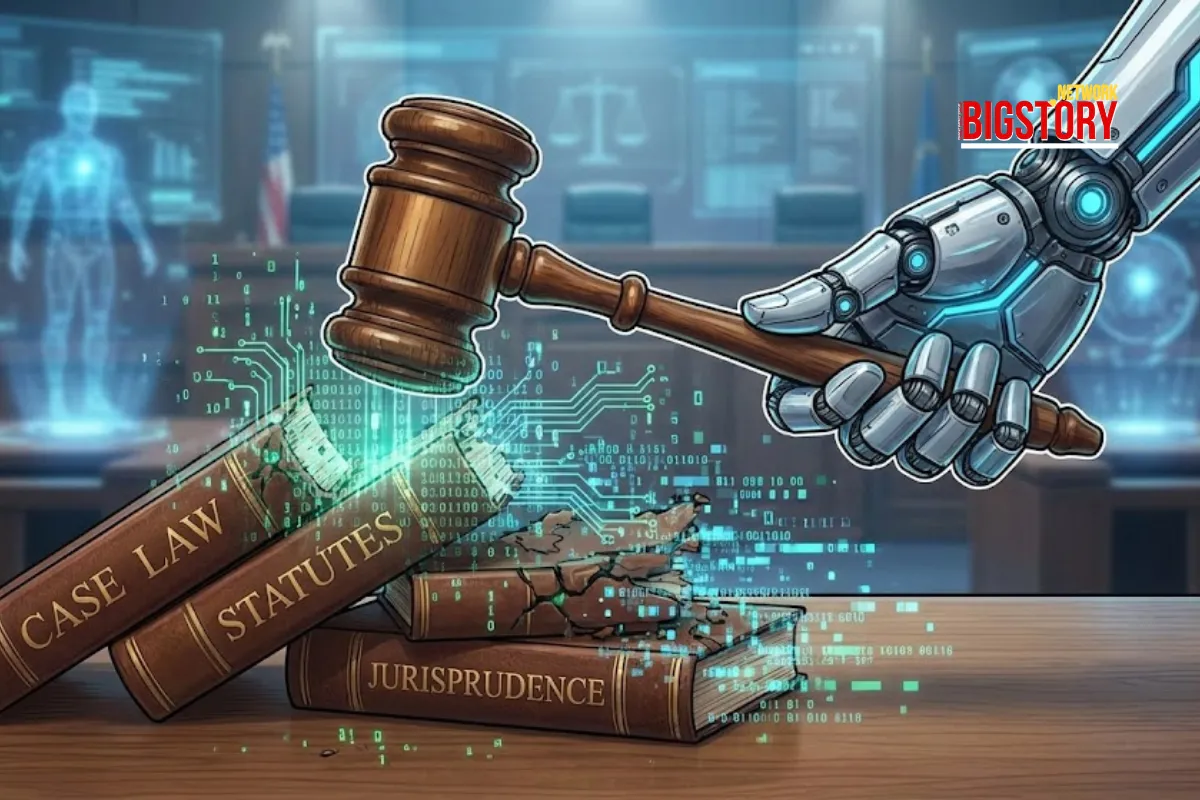
On December 4, 2025, the Supreme Court of India refused to entertain a Public Interest Litigation (PIL) seeking to regulate or ban the use of Artificial Intelligence (AI) in judicial proceedings. A bench led by Chief Justice [Surya Kant] dismissed the plea, asserting that judges use technology "in a very over-conscious manner" and would not allow it to override judicial discretion. The ruling comes just days after the Court's own research wing released a White Paper warning of AI hallucinations and bias, and follows documented incidents of lawyers submitting AI-fabricated case laws in the Delhi and Punjab & Haryana High Courts.
The debate over AI in Indian courts has intensified throughout 2025. While the judiciary has embraced tools like SUVAS for translation, the unregulated use of generative AI like ChatGPT for legal research has caused alarm. In July 2025, the Kerala High Court issued strict guidelines prohibiting cloud-based AI for judicial orders, a move seen as a model for caution. However, the Supreme Court's latest decision signals a reluctance to impose a nationwide judicial ban, preferring instead to rely on internal training and administrative guidelines to manage the risks of "hallucinated" precedents and algorithmic bias.
While the headlines focus on the "No Ban" ruling, the deeper story is the "Verification Gap." The Supreme Court claims judges are cautious, but the documented cases of fake citations in High Courts prove that "caution" is not a systemic safeguard. The real crisis isn't whether judges want to be careful; it's whether they have the tools to detect AI fabrication. Without a standardized, tech-enabled verification protocol, the Indian judiciary is effectively relying on the "honor system" in an era of deepfakes. This ruling leaves a dangerous grey area where individual judges must battle billion-dollar algorithms with nothing but their own skepticism.
This decision effectively pauses any immediate move toward a national regulatory framework for judicial AI. It leaves High Courts to set their own fragmented rules—Kerala may ban it, while Delhi may permit it with caveats. For lawyers, it creates a high-stakes environment where using AI tools is permitted but risky; a single "hallucinated" citation could lead to professional misconduct charges. For the public, it means the justice they receive may increasingly depend on whether their judge is tech-savvy enough to spot an algorithmic lie.
If the Supreme Court admits AI has risks but refuses to regulate it, are we waiting for a wrongful conviction to prove that "caution" wasn't enough?
Did the Supreme Court ban AI in courts? No. On December 4, 2025, the Supreme Court dismissed a PIL seeking to ban or strictly regulate AI in judicial decision-making. The Court stated that such issues should be handled administratively and that judges are sufficiently cautious.
What is CJI Surya Kant's stance on AI in the judiciary? Chief Justice Surya Kant believes that AI is a useful tool but must not "overpower" judicial discretion. He assured that judges use AI in a "very over-conscious manner" to prevent errors like fabricated citations.
What are the risks of using AI in Indian courts? The main risks include "hallucinations" (where AI invents non-existent case laws), algorithmic bias against marginalized groups, and data privacy breaches. The Supreme Court's own White Paper highlighted these dangers.
What are the Kerala High Court AI guidelines? In July 2025, the Kerala High Court issued guidelines prohibiting the use of cloud-based AI tools (like ChatGPT) for drafting judicial orders, mandating the use of only officially approved and verified AI systems.
News Coverage
Research & Analysis
 Exclusive Content


Sign up for the Daily newsletter to get your biggest stories, handpicked for you each day.



 Trending Now! in last 24hrs