
Mathura police investigate a mass suicide-murder of a family of five in Khapparpur, fueled by a final video and a chilling note scrawled on the bedroom wall.
 Brajesh Mishra
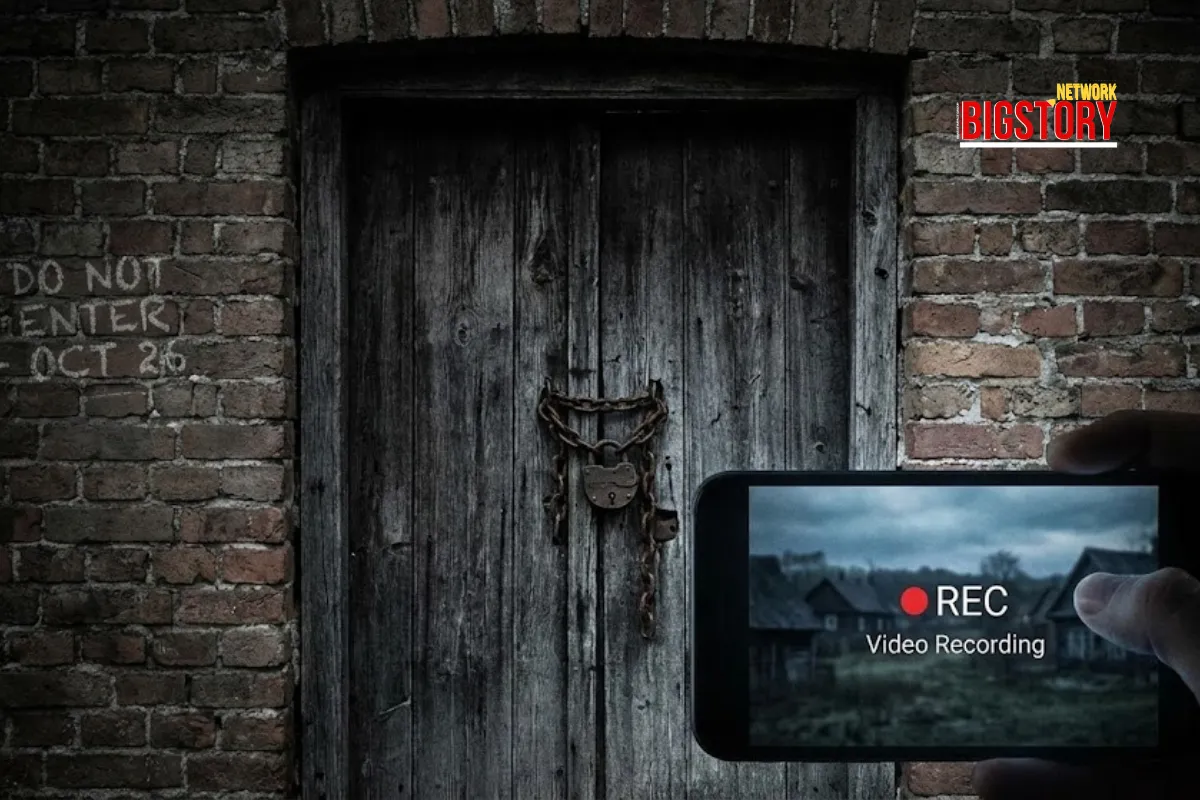
A silent house in Khapparpur village became the center of a horrific discovery this morning. When the children of 35-year-old farmer Manish Kumar didn't come out to play, his brother scaled the boundary wall to find a nightmare: all five family members lying lifeless behind a bolted door. As reported by The Times of India and PTI, the scene was marked by a final testament written not on paper, but scrawled directly onto the bedroom wall.
This matters because the "digital and physical testament" left behind—a video on Manish’s mobile and the wall note—suggests a deliberate attempt to control the narrative post-mortem, reflecting a growing trend of "performative suicides" where victims fear the legal harassment of their surviving kin more than death itself.
While mainstream reports focus on the "mass suicide" label, the real BIGSTORY is the Digital Testament Phenomenon. By recording a video and writing on the wall, the family ensured their message couldn't be "lost" or "suppressed."
The video reveals a crucial detail: Manish had recently sold a plot for ₹12 lakh. This reframes the tragedy—was this a case of financial ruin, or perhaps a dispute over the proceeds of that very sale? In rural hubs, the sudden influx of cash can often trigger predatory pressure or deep-seated family friction, transforming a "farmer's distress" story into a complex tale of local extortion or domestic breakdown.
Forensic psychologists might argue that the scrawled wall note and video aren't just "testaments" but signs of Extreme Cognitive Narrowing. In this state, the parents likely felt they were "saving" their children from a future of suffering rather than committing a crime. While the law treats this as murder-suicide, the "Steel Man" argument suggests it is a symptom of a total societal failure where death appears as the only "responsible" exit for a parent in distress.
Why are our rural safety nets failing to catch "invisible" distress until it ends in a recorded video? Share your take in the comments.
Sources: The Times of India, PTI News, Hindustan Times
 Exclusive Content


Sign up for the Daily newsletter to get your biggest stories, handpicked for you each day.



 Trending Now! in last 24hrs


