
PM Modi has promised to roll out "next-generation" GST reforms by Diwali, simplifying the tax structure to just two slabs and reducing the burden on consumers.
 Rashmeet Kaur Chawla
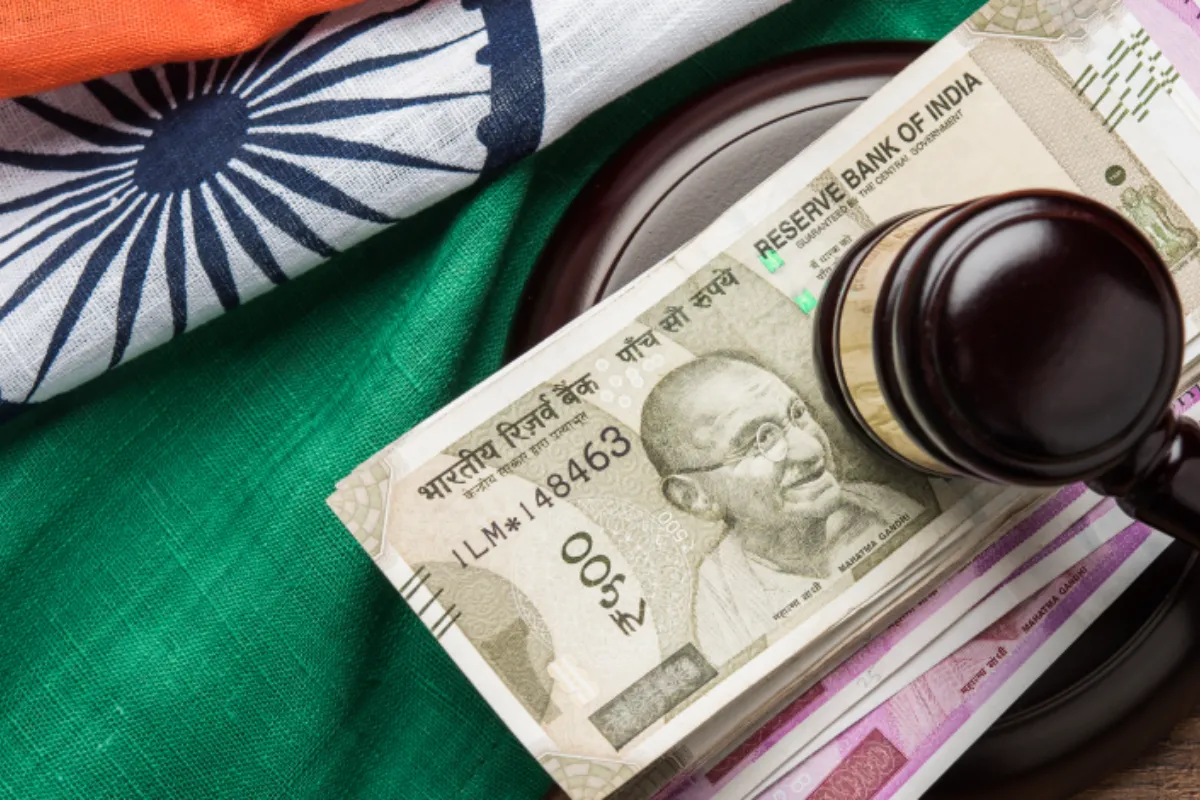
In a landmark announcement from the Red Fort on Independence Day, Prime Minister Narendra Modi promised the nation a "double Diwali" in the form of sweeping "next-generation" reforms to the Goods and Services Tax (GST). With a commitment to implement the changes by the festive season, the government is poised to simplify India’s indirect tax system, lighten the financial burden on consumers, and provide a much-needed boost to the economy. This move, which comes eight years after the GST's initial rollout, is set to usher in a new era of tax rationalization, directly impacting millions of households and small businesses across the country.
The core of the proposed reform is the drastic simplification of the GST structure. The government’s blueprint, which has been submitted to a Group of Ministers, calls for replacing the current four-slab system (5%, 12%, 18%, and 28%) with a new, simplified two-slab structure of 5% and 18%. Additionally, a special 40% tax rate will be levied on a handful of luxury and sin goods like tobacco products. This simplification is expected to make the tax system more transparent and predictable.
The proposed changes are a game-changer for consumers and businesses alike:
The GST reforms are not just a cosmetic change; they are a strategic economic tool. By lowering the tax on essential and aspirational goods, the government expects to boost consumption and stimulate economic activity. For the average consumer, this means that their spending will go further, as daily-use items and even some aspirational purchases become cheaper. This will serve as a much-needed demand stimulus, especially in the context of recent global economic headwinds.
Furthermore, the reforms aim to directly benefit Micro, Small, and Medium Enterprises (MSMEs). The Finance Ministry’s proposal includes several measures to enhance the 'ease of living' and 'ease of doing business':
AtmanirbhartaThe timing of these reforms is significant. Coming amid global trade tensions and the imposition of tariffs by countries like the United States, the new GST structure is a strong signal of India’s commitment to self-reliance. By stimulating domestic consumption and simplifying the tax regime, the government is creating an environment where local industries can thrive, thereby reducing the country's dependence on exports and making it more resilient to external pressures.
The end of the GST compensation cess, which was created to compensate states for revenue losses during the initial rollout, has created the fiscal space necessary for this rate rationalization. This allows for a more flexible and sustainable tax framework, in line with India's long-term goal of becoming a $5 trillion economy. The reforms are a testament to the government’s vision of a stable, predictable, and transparent tax regime that fosters trust and confidence among investors and the business community.
Conclusion: PM Modi’s promise of next-generation GST reforms by Diwali is more than just a festive gift; it is a bold strategic move. By simplifying the tax structure, lowering rates on common goods, and addressing long-standing issues, the government is not only providing immediate relief to consumers but also laying the foundation for a more resilient and self-reliant Indian economy. The successful implementation of these reforms will likely be a defining moment in India’s economic journey, positioning it as a dynamic and confident player on the global stage.
 Exclusive Content


Sign up for the Daily newsletter to get your biggest stories, handpicked for you each day.



 Trending Now! in last 24hrs


