
India is reviving its semiconductor ambitions with renewed vigor, backed by a massive ₹76,000 crore government incentive scheme and major investments from global giants like Micron and the Tata Group.
 Minaketan Mishra
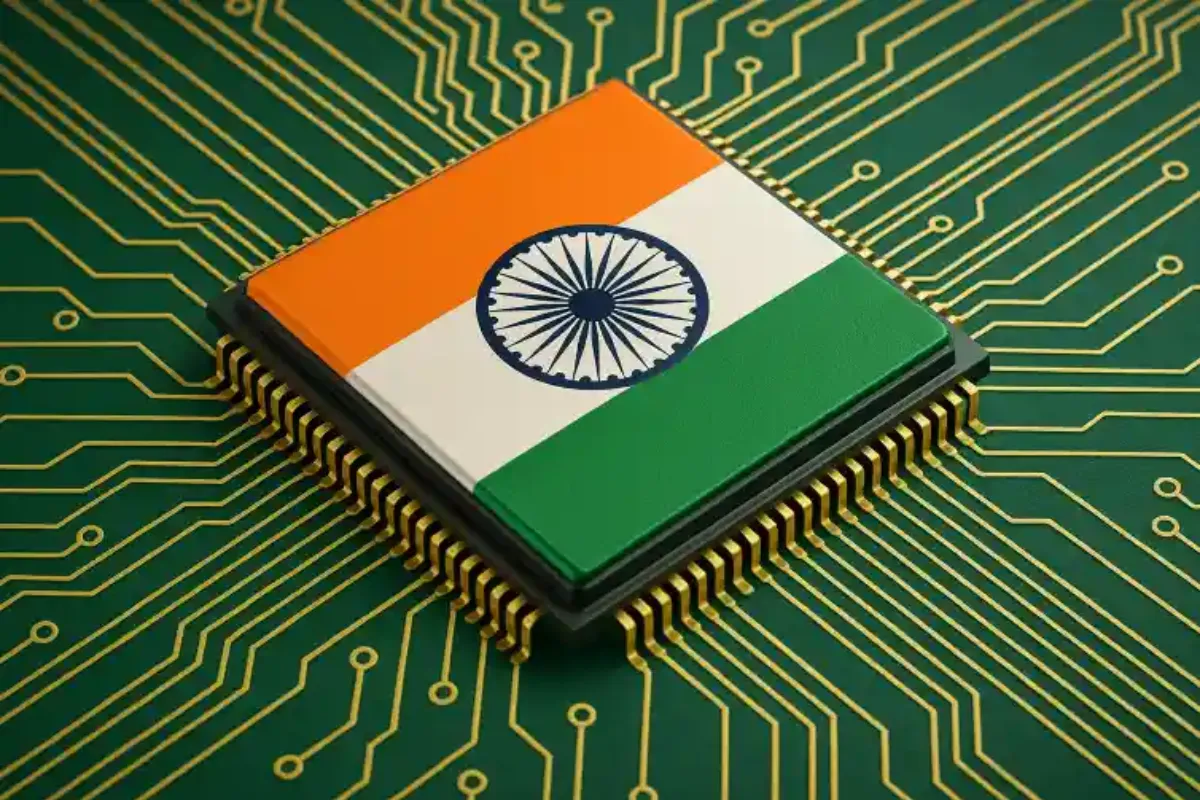
For decades, India's dream of becoming a semiconductor manufacturing hub remained just that—a dream. Despite a large pool of design engineers, the country failed to attract the multi-billion dollar investments required to build fabrication plants (fabs). The narrative was one of missed opportunities and persistent challenges. However, the tide has now turned. In a remarkable turnaround, India's semiconductor ambitions are not just being revived; they are being driven forward with unprecedented speed and conviction. This new push is not merely a policy change but a fundamental shift in India's strategic vision, driven by a confluence of geopolitical, economic, and technological factors.
The primary catalyst for this revival is the Indian government's decisive action. Recognizing the critical importance of a domestic semiconductor ecosystem, the government launched the India Semiconductor Mission (ISM) in December 2021 with a massive outlay of ₹76,000 crore. The ISM offers substantial financial support, covering up to 50% of the project cost for eligible semiconductor and display manufacturing units. This fiscal incentive has finally made India a financially attractive destination for global players.
The government has since approved 10 semiconductor projects with a combined investment of approximately ₹1.60 lakh crore across six states. These projects are not just for high-end fabs but also for a broader ecosystem, including:
These targeted policies have created a comprehensive framework that addresses various parts of the semiconductor value chain, from design to final packaging.
The government's policy push has yielded concrete results, with several major players committing to setting up facilities in India. This marks a significant departure from previous attempts where no credible proposals came to fruition.
These investments demonstrate a newfound trust in India's political stability and policy framework, positioning the country as a reliable partner in the global supply chain.
India's push for semiconductors goes beyond economic development; it is a matter of national security and strategic autonomy. The COVID-19 pandemic exposed the fragility of global supply chains, with chip shortages crippling industries worldwide. For a rapidly digitizing economy like India, relying on foreign suppliers for every chip poses a significant risk.
By building a domestic ecosystem, India aims to:
Conclusion: India's revived semiconductor ambitions are a culmination of deliberate policy, targeted incentives, and a favorable geopolitical climate. The government's unwavering commitment through the India Semiconductor Mission has created a robust ecosystem that has attracted both domestic and global investments. While significant challenges, such as developing a highly skilled workforce and ensuring consistent power and water supply, remain, the current momentum suggests that India is finally on the path to becoming a major player in the global semiconductor landscape. The dream of a technologically self-reliant "Viksit Bharat" is now being built, one chip at a time.
 Exclusive Content


Sign up for the Daily newsletter to get your biggest stories, handpicked for you each day.



 Trending Now! in last 24hrs