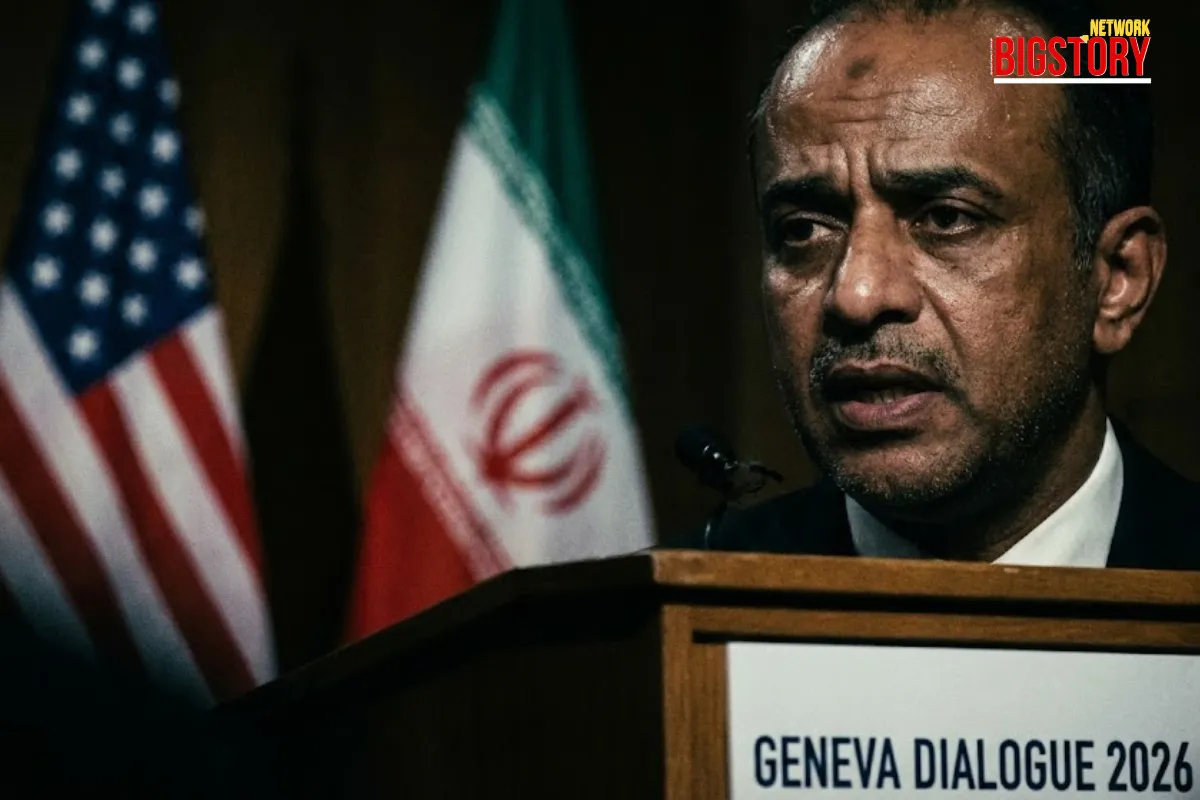
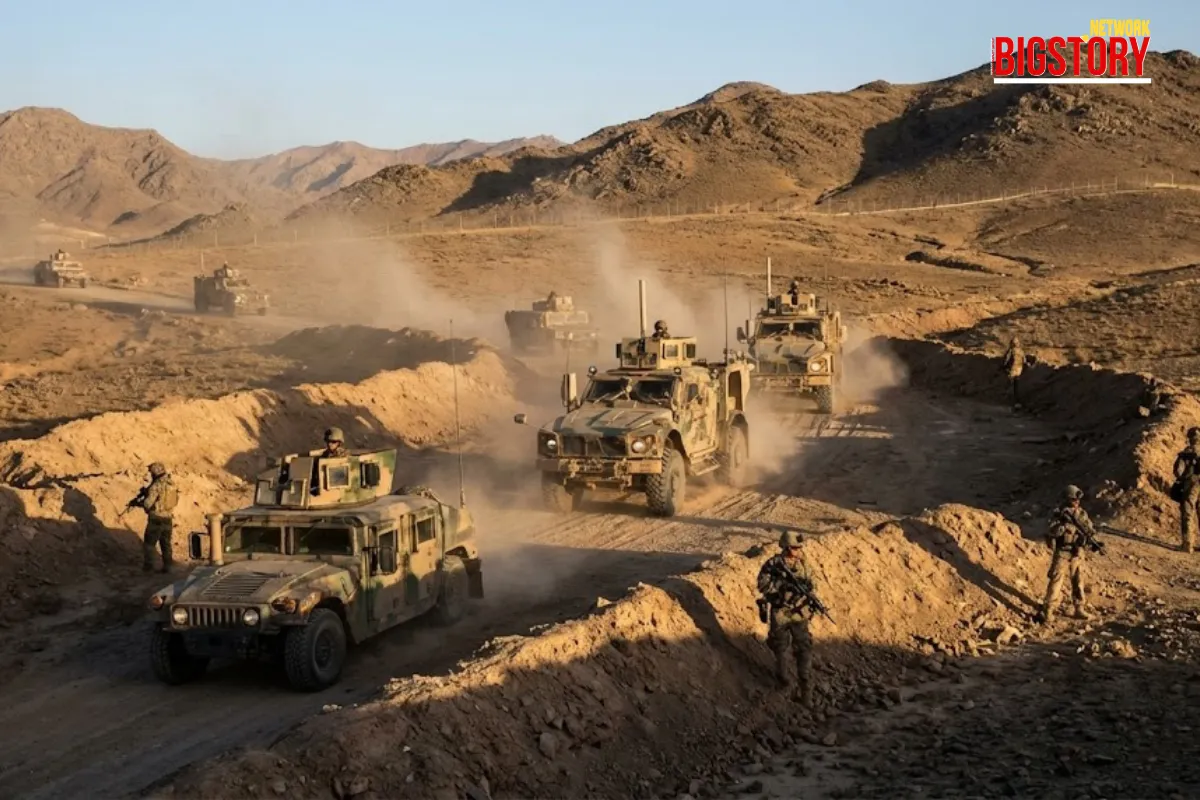
The brutal border war between Pakistan and Afghanistan is rapidly evolving into a massive test of U.S. foreign policy. On Saturday, February 28, President Donald Trump publicly addressed the escalating crisis along the 1,640-mile Durand Line. Following Pakistan's official declaration of "open war" in response to a massive Taliban offensive, Trump praised Islamabad's leadership but made it clear that American military backing will not come for free.
This matters because Trump’s intervention proposal fundamentally alters the power dynamic in South Asia. He is demanding that Pakistan agree to a U.S.-monitored "security corridor" and provide unfettered access to border intelligence before American assets are deployed. For the Pakistani military establishment, which has fiercely guarded its intelligence sovereignty for decades, this presents an agonizing dilemma: accept American terms that compromise their operational independence, or face a conventional war against a heavily armed Taliban insurgency entirely alone.
The "BigStory" Angle (The Sovereignty Trap & AI Targeting)
Mainstream media is portraying Trump’s statement as a standard offer of military alliance. They are completely missing the "Sovereignty for Support" Trap.
The real story lies in the political price tag. Trump’s conditions essentially ask Islamabad to lease out its border security to Washington. By demanding to "know where the bad guys are," the U.S. is signaling a severe lack of trust in Pakistan's internal intelligence regarding the Tehrik-i-Taliban Pakistan (TTP).
Furthermore, watch the AI Targeting angle. Intelligence analysts suggest that Trump's conditions likely mandate the deployment of U.S. AI-driven ISR (Intelligence, Surveillance, and Reconnaissance) systems over Pakistani airspace. Washington wants to use its own algorithms to independently verify Pakistan's claims of TTP hideouts before authorizing strikes, completely stripping Islamabad of its ability to use "collateral damage" or intelligence gaps as diplomatic shields.
The Context (Rapid Fire)
- The Trigger: On February 21, Pakistan conducted "intelligence-based" airstrikes targeting TTP hideouts in Nangarhar and Paktika provinces, which Afghan authorities claim resulted in 13 civilian casualties.
- The Backstory: In furious retaliation, Taliban forces launched a "large-scale offensive" on February 26, claiming to have killed dozens of soldiers and captured 19 Pakistani outposts.
- The Escalation: The next day, Pakistan's Defence Minister declared an official state of "open war," initiating Operation Ghazab-Lil-Haqq and claiming the destruction of 104 Afghan military installations via heavy airstrikes.
Key Players (The Chessboard)
- Donald Trump (The Mediator): Adopting a purely transactional diplomatic stance, leveraging Pakistan's urgent need for air support to force unprecedented intelligence concessions.
- Khawaja Asif (The Escalator): Pakistan's Defence Minister, who pushed the conflict to the point of no return by declaring open war, now tasked with balancing national sovereignty against the desperate need for U.S. backing.
- Zabihullah Mujahid (The Defiant): The Taliban Spokesman representing Kabul, who has bluntly warned Washington that any U.S. intervention will be treated as an act of aggression, threatening that America will "face the same fate as before."
The Implications (Your Wallet & World)
- Short Term (Digital Blackouts): For those with family or business interests in the Khyber Pakhtunkhwa (KP) region, establish secure, redundant communication channels immediately. If Pakistan accepts the U.S. terms, the influx of American electronic warfare and ISR platforms could lead to severe, localized internet and cellular blackouts to mask operational movements.
- Long Term (New Delhi's Alarm): India is intensely monitoring this "US-Pakistan re-hyphenation." If Trump successfully embeds U.S. intelligence infrastructure back into Pakistan, it could force New Delhi to rapidly reassess its "neighborhood first" policy and its broader strategic reliance on Washington.
The Closing Question
Trump’s transactional diplomacy forces Pakistan to choose between fighting the Taliban alone or surrendering its border intelligence to the United States. Should Pakistan accept the "Sovereignty Trap" to secure American military power, or fight this war on its own terms? Tell us in the comments.
FAQs
- Q: What are Donald Trump’s conditions for helping Pakistan against the Taliban?
- A: President Trump stated that U.S. intervention requires Pakistan to provide "unfettered access" to border intelligence and agree to a U.S.-monitored "security corridor" to ensure American forces know exactly "where the bad guys are."
- Q: Will the US launch airstrikes in Afghanistan in 2026?
- A: As of late February 2026, U.S. involvement remains at the "conditional discussion" stage. While heavy airstrikes are currently devastating the region, they are being conducted exclusively by the Pakistan Air Force.
- Q: Why did Pakistan declare open war on Afghanistan?
- A: Pakistan declared "open war" following a massive February 26 cross-border offensive by the Afghan Taliban, which resulted in the alleged capture of 19 Pakistani border posts and the deaths of dozens of Pakistani soldiers.
- Q: Is the US supporting Pakistan's Operation Ghazab-Lil-Haqq?
- A: The U.S. State Department has formally endorsed Pakistan's "right to defend itself" against terrorism, but direct U.S. military support for the operation remains contingent on Pakistan accepting Trump's stringent intelligence-sharing conditions.
Sources:
- The Guardian: Pakistan conducts airstrikes in Afghanistan, claiming to target TTP hideouts
- Al Jazeera: Taliban forces launch retaliatory offensive against Pakistani border posts
- Times of India: Dozens of soldiers killed as Taliban claim capture of 19 Pakistani outposts
- The Hindu: Pakistan declares 'open war', claims 331 Taliban killed in Operation Ghazab-Lil-Haqq
- Hindustan Times: Trump outlines conditions for US intervention in Af-Pak border conflict
- ANI: Pakistan claims destruction of 104 Afghan military installations

 Ritika Das
 Exclusive Content