Airbus recalls 6,000 A320 jets after solar radiation caused a terrifying altitude drop. EASA mandates urgent software fixes, disrupting global travel.
 Brajesh Mishra
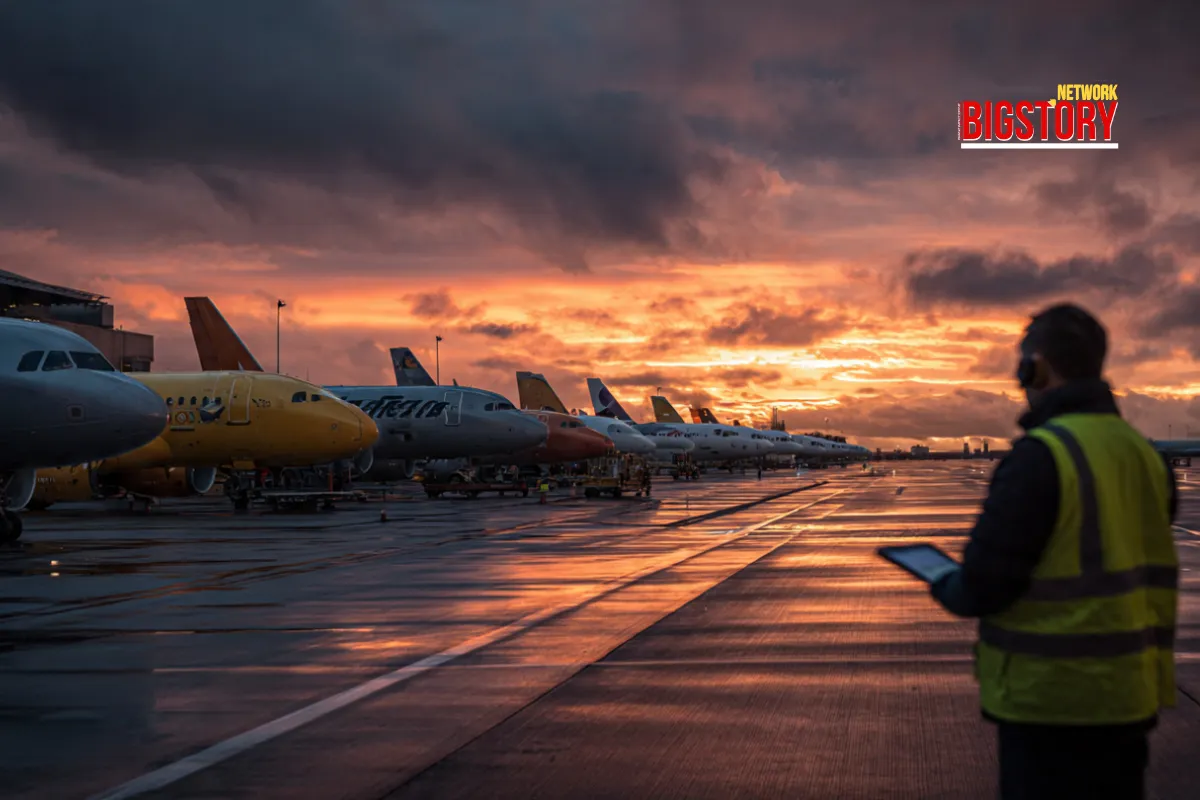
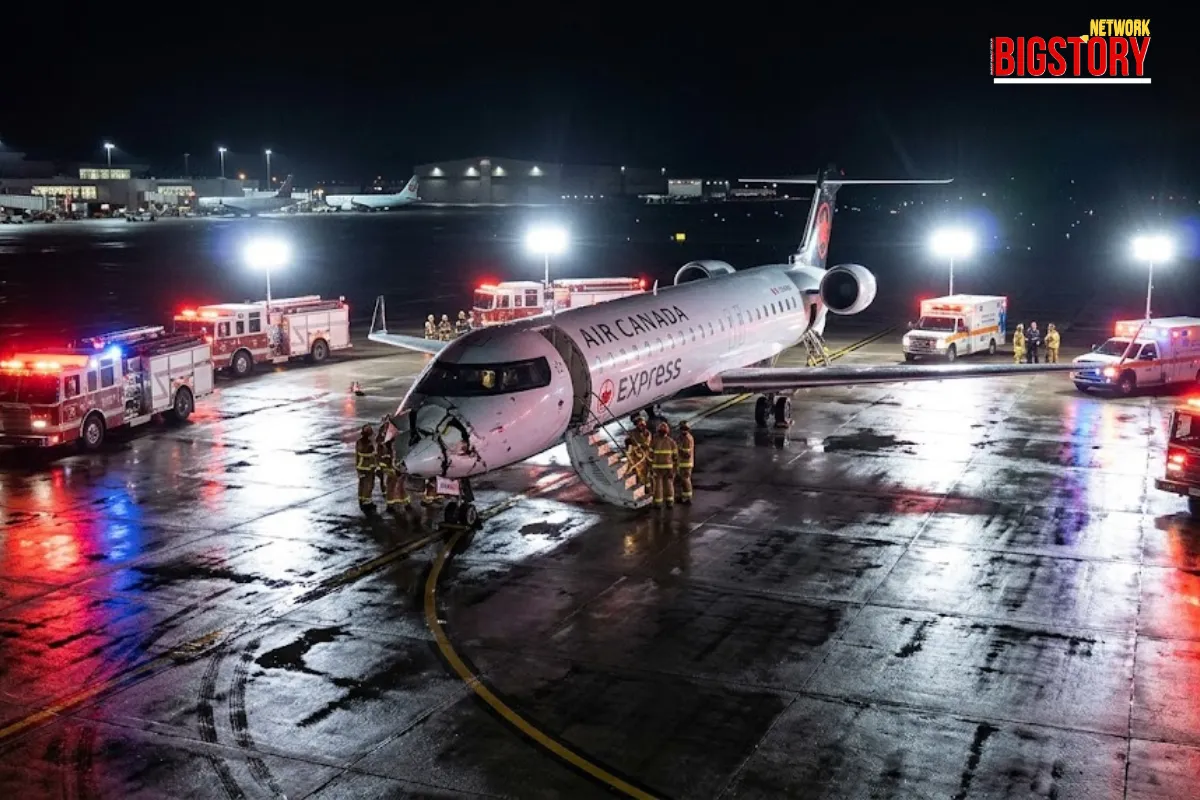
In an unprecedented move, Airbus has issued an emergency worldwide recall of approximately 6,000 A320-family aircraft—nearly 60% of its active fleet—following a terrifying incident where a software glitch triggered by solar radiation caused an uncommanded altitude drop. The European Union Aviation Safety Agency (EASA) has mandated immediate software fixes or hardware replacements before any affected aircraft can fly revenue passengers again. Airlines globally, including American Airlines, IndiGo, and Lufthansa, are canceling flights and scrambling to update systems during a peak holiday travel weekend.
The crisis began on October 30, 2025, when JetBlue Flight 1230 plunged 25,000 feet in seconds after intense solar radiation corrupted data in its Elevator Aileron Computer (ELAC). Investigations by the NTSB and BEA traced the failure to a specific hardware-software combination (ELAC B with L104 software) that lacks protection against solar-flare-induced bit errors. With 2025 being a year of peak solar activity, the risk of recurrence forced regulators to act. The recall affects both newer aircraft needing a 2-hour software patch and ~1,000 older jets requiring hardware swaps that could take weeks.
While headlines focus on cancelled flights, the deeper story is the "AI Prediction Gap." The aviation industry uses AI for predictive maintenance on engines and landing gear, but flight control software remains a "black box," largely unmonitored by modern predictive algorithms due to safety certification rigidity. If AI-powered telemetry analysis had been active, the anomalous behavior of the ELAC units under solar stress might have been flagged months before the JetBlue incident. This crisis exposes a dangerous lag: aviation hardware is flying in 2025, but its safety monitoring philosophy is stuck in 1990.
The Implications (Why This Changes Things)
The immediate impact is travel chaos, with carriers like Avianca suspending ticket sales and others thinning schedules. Long-term, this forces a rethink of avionics design for the era of active space weather. Regulators like the DGCA and FAA will likely mandate solar-radiation hardening for all future fly-by-wire systems, raising costs and certification hurdles. It also opens a liability battle: airlines will seek compensation for lost revenue, potentially pitting Airbus against its own suppliers in a high-stakes legal fight.
If a solar flare can ground 6,000 commercial jets overnight, is our critical infrastructure actually ready for the peak solar cycle we are entering?
What is the Airbus A320 recall and why was it issued? Airbus issued a global recall for approximately 6,000 A320-family aircraft on November 28, 2025. The recall addresses a vulnerability where intense solar radiation can corrupt data in the Elevator Aileron Computer (ELAC), potentially causing uncommanded flight maneuvers, as seen in the JetBlue Flight 1230 incident.
Which airlines are affected by the A320 recall? Major airlines globally are affected, including American Airlines, IndiGo, Air India, Lufthansa, Avianca, and easyJet. About 60% of the global in-service A320 fleet requires updates.
Is it safe to fly on an Airbus A320 right now? Yes, because regulators have mandated that affected aircraft cannot fly revenue passengers until the fix is applied. Any A320 in service has either already been updated or was not part of the affected batch.
What actually happens to the plane during the glitch? The glitch affects the flight control computer's ability to process pitch and elevation data. In the worst-case scenario, solar radiation "flips" data bits, causing the computer to command a sudden, sharp nose-down movement (pitch-down) that pilots must fight to correct.
How long will the disruption last? For most aircraft requiring only a software update (2-3 hours), normal schedules should resume by early December. However, older aircraft needing hardware replacements may be grounded for weeks, causing longer-term disruptions for regional carriers.
News Coverage
Research & Analysis
 Exclusive Content


Sign up for the Daily newsletter to get your biggest stories, handpicked for you each day.



 Trending Now! in last 24hrs