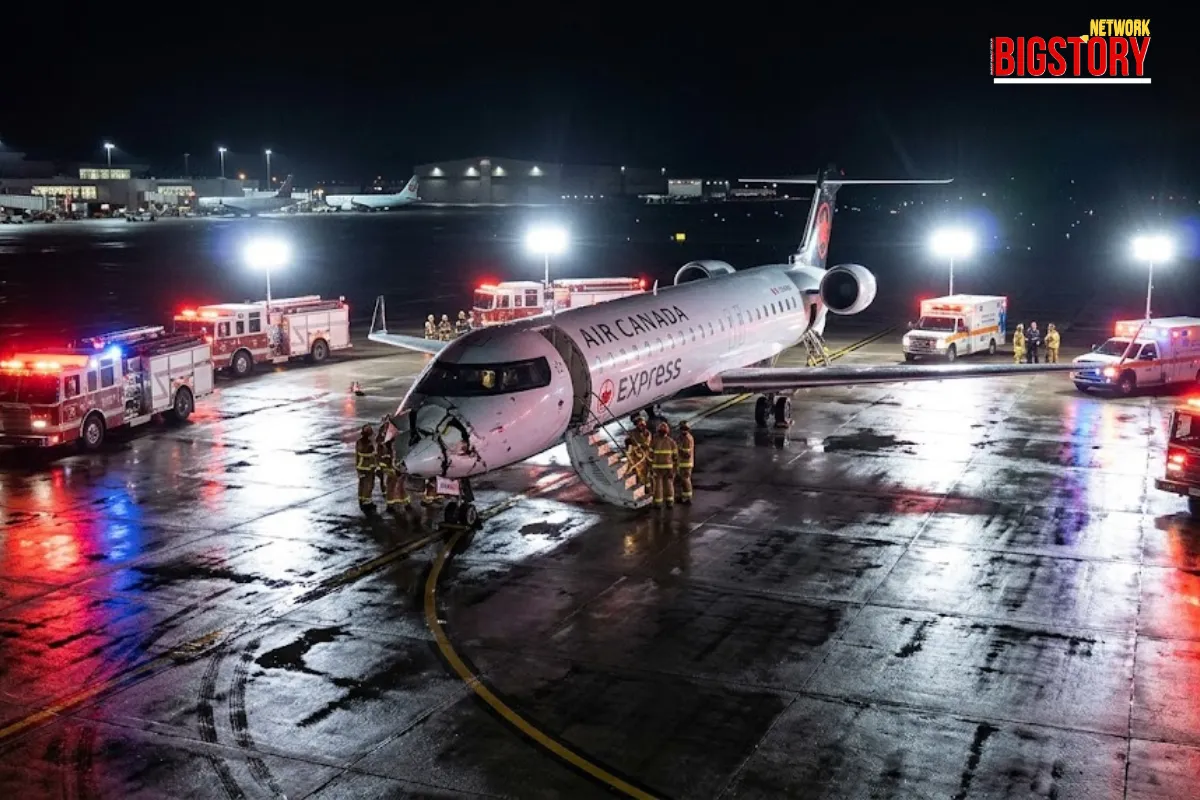
DGCA report reveals IndiGo had 891 surplus pilots but failed to schedule them, causing 5,000+ cancellations in Dec 2025. Govt threatens "exemplary action."
 Brajesh Mishra
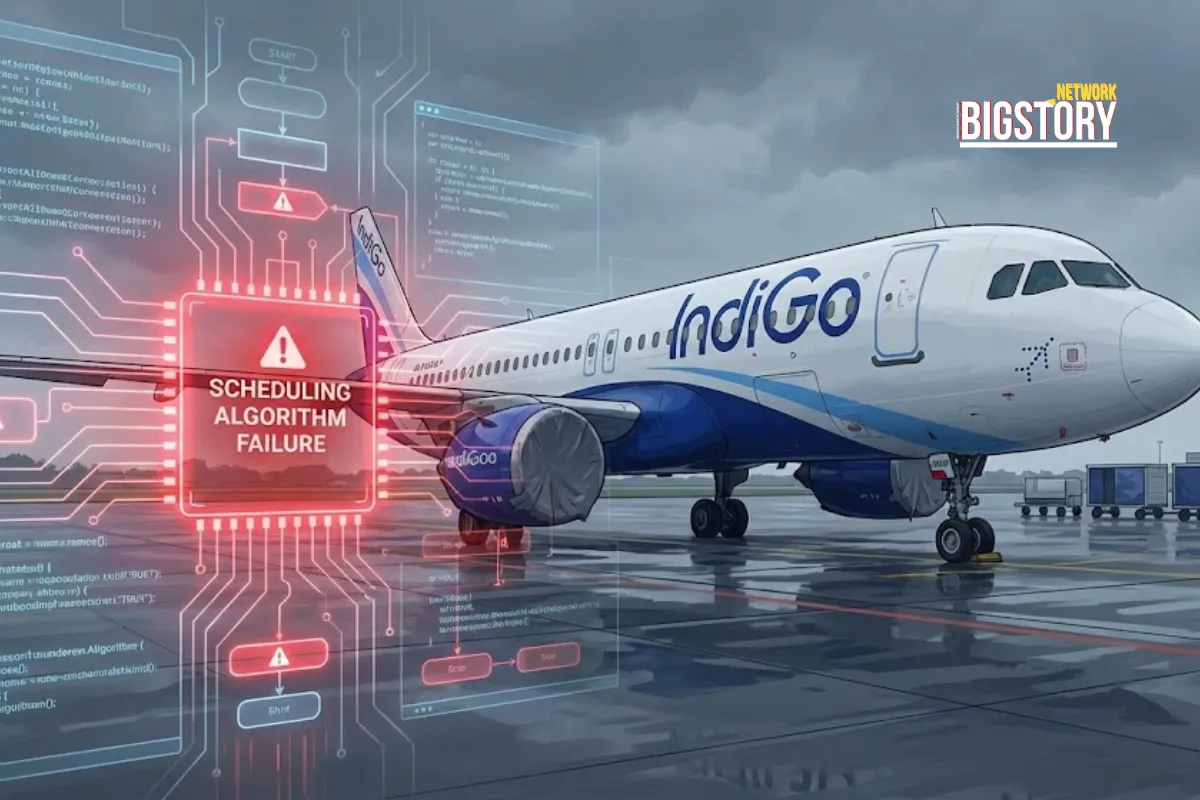
The mystery of how India’s largest airline collapsed into chaos has been solved, and the answer is not a pilot shortage—it is management incompetence. On December 26, 2025, a four-member inquiry panel submitted its confidential report to the Directorate General of Civil Aviation (DGCA), dissecting the operational meltdown that saw IndiGo cancel over 5,000 flights in early December. The report’s most damning finding? IndiGo actually had 891 more pilots than required by global standards but failed to schedule them effectively to meet new rest norms, triggering a crisis that crippled 65% of India’s domestic aviation network.
The crisis began on November 1, 2025, when Phase 2 of the new Flight Duty Time Limitation (FDTL) rules kicked in, mandating longer rest periods for pilots to combat fatigue. Despite having months to prepare, IndiGo’s rostering system collapsed. By early December, the airline was cancelling 170-200 flights daily, peaking at over 1,600 cancellations in a single day. The sheer scale of the disruption forced the Civil Aviation Minister to intervene on December 7, threatening "exemplary action"—a punitive measure designed to "set an example for all airlines"—if the probe found evidence of negligence.
While mainstream media focuses on "passenger misery," the deeper story is the "Monopoly Risk." IndiGo controls 65% of the market. When it fails, there is no redundant capacity in the system to absorb the shock. This incident proves that India’s aviation sector has become "Too Big To Fail," with a single private company’s rostering glitch capable of grounding the national economy.
Furthermore, this is a "Tech Failure," not a human resource one. In an era of AI-driven logistics, how does a $10 billion airline fail to run a rostering algorithm that accounts for new rest rules? The "891 surplus pilots" statistic proves that the hardware (pilots) was there, but the software (scheduling) was broken. This is a case study for why AI-native rostering is no longer optional for mega-carriers.
If the government follows through with "exemplary action," we could see a freeze on IndiGo’s new routes or massive financial penalties. More importantly, this debacle will likely force the DGCA to mandate automated, auditable rostering systems for all airlines to prevent manual override and poor planning from grounding fleets again.
If an airline has 900 extra pilots and still can't fly its planes, is it running an airline, or just a really expensive parking lot?
What did the DGCA report say about IndiGo? The confidential DGCA report submitted on December 26, 2025, found that IndiGo's massive flight disruptions were caused by scheduling failures, not a pilot shortage. The inquiry revealed IndiGo actually had 891 surplus pilots (4,575 total vs. 3,684 required) but failed to roster them effectively under the new fatigue rules.
Why did the government threaten "exemplary action" against IndiGo? The Civil Aviation Minister threatened "exemplary action" (severe punishment to set an example) because IndiGo, which holds a 65% market share, failed to prepare for known regulatory changes (FDTL rules). This negligence led to over 5,000 cancellations, stranding tens of thousands of passengers and destabilizing the national aviation network.
Did IndiGo have a pilot shortage in December 2025? No. Contrary to initial claims of resource constraints, the DGCA investigation confirmed that IndiGo had a surplus of 891 pilots above global standards. The crisis was a result of inadequate rostering and planning for the new pilot rest norms that came into effect on November 1, 2025.
News Coverage
Government Response
 Exclusive Content


Sign up for the Daily newsletter to get your biggest stories, handpicked for you each day.



 Trending Now! in last 24hrs