IndiGo faces a DGCA probe after cancelling 200+ flights in a day. Pilots blame "lean staffing" while the airline cites new fatigue rules and tech glitches.
 Brajesh Mishra
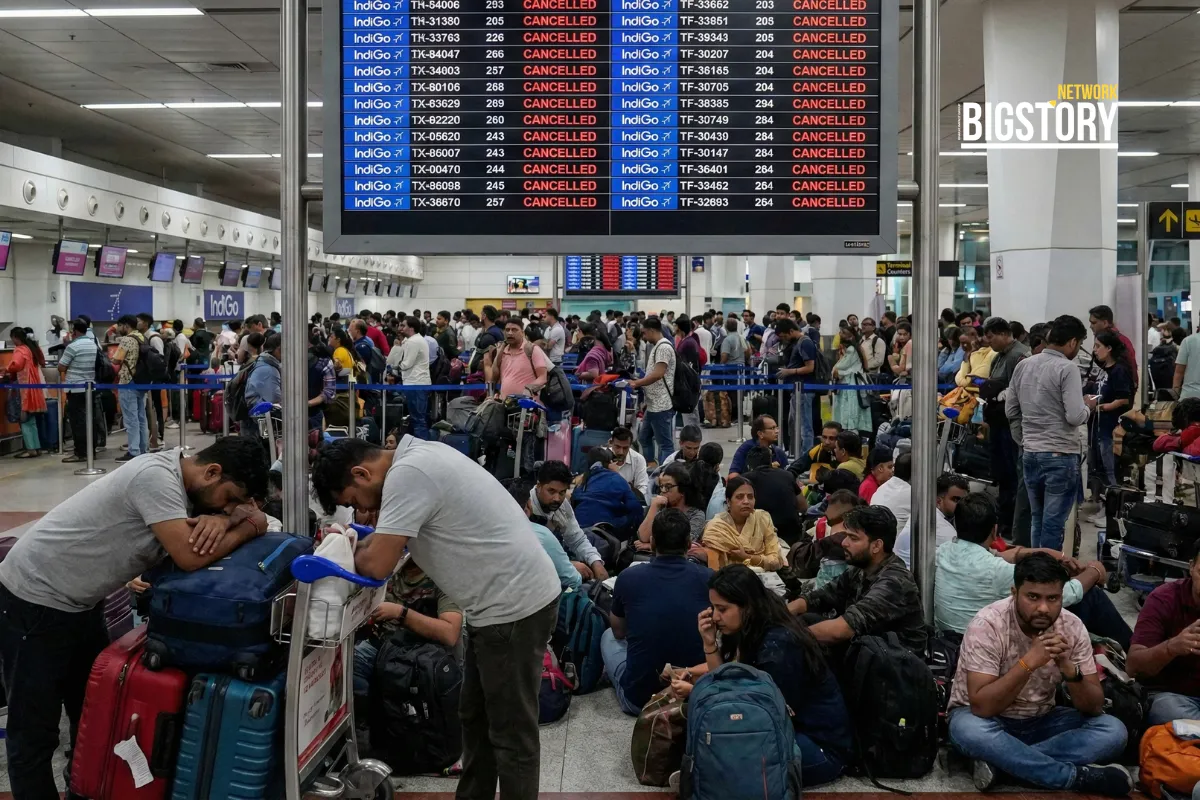
IndiGo, India's largest airline, is facing its worst operational crisis in years, with hundreds of flights cancelled or severely delayed for several consecutive days. The chaos peaked on December 3, when over 200 flights were reportedly scrapped, leaving thousands of passengers stranded across major hubs like Delhi, Mumbai, and Bengaluru. In response, the Directorate General of Civil Aviation (DGCA) has launched a formal probe and summoned the airline's top management, demanding an immediate explanation and a mitigation plan for the "unprecedented disruptions."
The crisis coincides with the full implementation of stricter Flight Duty Time Limitations (FDTL) on November 1, aimed at reducing pilot fatigue by mandating longer rest periods. While these safety rules require more pilots to operate the same schedule, IndiGo data shows the airline was already struggling, cancelling 1,232 flights in November—62% due to crew constraints. The situation exploded this week as winter fog, technical glitches, and a refusal by pilots to accept extended duty hours collided with the new regulatory reality.
While the headlines focus on "cancelled flights," the deeper story is the "Safety vs. Schedule Standoff." This isn't just a logistical failure; it's a stress test of India's aviation safety culture. The new FDTL norms were designed to prevent pilot burnout—a critical safety issue. By cancelling flights rather than staffing up, the airline industry is arguably using passenger inconvenience as leverage against the regulator. The chaos is the visible cost of enforcing safety in a system that has long relied on pushing human limits to maintain low fares and high punctuality.
This meltdown exposes the fragility of India's aviation market, where one player holds 60% market share. When IndiGo sneezes, the entire country's connectivity catches a cold. The incident may force the DGCA to rethink slot allocations to prevent such systemic risk in the future. For passengers, it marks the end of the "cheap and cheerful" era; reliable travel may now come at a higher premium as airlines are forced to invest in adequate staffing to meet safety standards.
If the price of a safe flight is a cancelled ticket today, are we willing to pay it—or will we demand airlines pay for the pilots they actually need?
Why are so many IndiGo flights being cancelled right now? The cancellations are due to a combination of stricter Flight Duty Time Limitations (FDTL) for pilots, a shortage of crew to meet these new norms, winter weather conditions, and technical glitches. Pilot unions also blame the airline's "lean manpower" strategy.
How long will IndiGo flight cancellations last? IndiGo has stated it is making "calibrated adjustments" over the next 48 hours (from Dec 3/4) to stabilize operations. However, structural staffing issues suggests disruptions could persist intermittently through the winter schedule.
What should I do if my IndiGo flight is cancelled? You are entitled to a full refund or an alternate flight at no extra cost. Check your flight status on the IndiGo website or app, and contact customer support immediately. Under DGCA rules, you may also be entitled to compensation if the cancellation was not due to "extraordinary circumstances" (like weather).
Are the new DGCA pilot fatigue rules causing the cancellations? Partially. The new rules mandate more rest for pilots, meaning airlines need more staff to fly the same schedule. IndiGo's inability to roster enough pilots under these stricter safety norms has triggered the cancellations.
News Coverage
Research & Analysis
 Exclusive Content


Sign up for the Daily newsletter to get your biggest stories, handpicked for you each day.

 Trending Now! in last 24hrs