A NASA study warns that 96% of images from new space telescopes could be ruined by satellite light pollution, risking asteroid detection failures.
 Brajesh Mishra
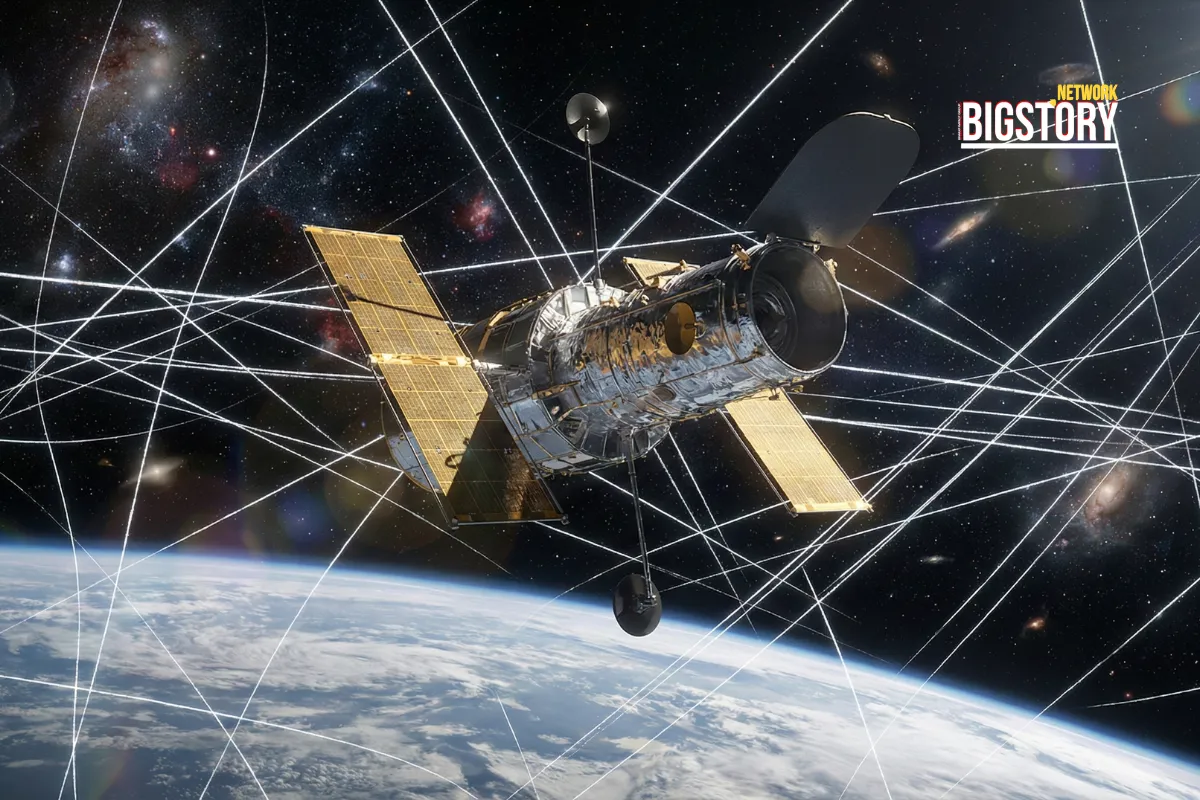
In a stark warning to the global space industry, NASA researchers published a study in Nature on December 3, 2025, projecting that light pollution from satellite mega-constellations could ruin up to 96% of images from upcoming space telescopes. The study, led by astrophysicist Alejandro Borlaff, analyzed the impact of the explosive growth in low-Earth orbit (LEO) satellites, which have surged from 2,000 in 2019 to over 15,000 today. If current deployment plans proceed, the number of satellites could reach 560,000 by the 2030s, creating a "traffic jam" of light that threatens to blind humanity's view of the cosmos.
For decades, space telescopes like [Hubble] were assumed to be immune to the light pollution that plagues ground-based observatories. That assumption has been shattered. The launch of mega-constellations by companies like SpaceX (Starlink) and nations like China (Guowang) has filled LEO with reflective objects that streak across long-exposure images. NASA’s new SPHEREx observatory, launched in March 2025 to map the universe, is now projected to have nearly every image contaminated by satellite trails. The crisis has escalated rapidly: more satellites were launched in the last four years than in the previous 70 years of spaceflight combined.
While headlines focus on "ruined photos," the deeper story is the "Planetary Defense Blind Spot." Borlaff’s most chilling finding is that satellite streaks look identical to asteroids in telescope data. As LEO becomes crowded with fake signals, the algorithms designed to detect hazardous asteroids heading for Earth could be overwhelmed by false positives, or worse, miss a real threat hiding behind a Starlink train. This isn't just about losing pretty pictures of galaxies; it's about potentially blinding our planetary early warning system in the name of faster internet.
This study forces a reckoning for the space industry. The "launch first, regulate later" era is colliding with the physics of observation. It suggests that future astronomy may be forced to move to much more expensive orbits (like Lagrange points) to escape the noise, potentially making space science the exclusive domain of billionaires and superpowers. Furthermore, it raises a geopolitical question: if China and the US are racing to fill LEO with dual-use constellations, is the loss of the night sky the collateral damage of a new Cold War in orbit?
If we trade the view of the universe for ubiquitous Wi-Fi, will we realize the cost only when we miss the asteroid we should have seen coming?
What is satellite light pollution and why is it affecting space telescopes? Satellite light pollution occurs when sunlight reflects off the surfaces of satellites in orbit, creating bright streaks in long-exposure telescope images. This problem has escalated due to the rapid launch of mega-constellations like Starlink, which occupy the same low-Earth orbit (LEO) used by space telescopes.
How much will satellite contamination affect Hubble and other telescopes? According to the NASA study published in Nature, approximately 40% of Hubble Space Telescope images could be affected by the 2030s. Wider-field telescopes like SPHEREx and the upcoming ARRAKIHS are projected to have up to 96% of their images contaminated.
How many satellites will be in orbit by 2030? Projections based on current regulatory filings suggest the number of satellites in LEO could rise from roughly 15,000 today to over 560,000 by the 2030s, driven by commercial internet constellations.
Why is satellite contamination dangerous for asteroid detection? Satellite streaks in telescope images look nearly identical to the light signatures of asteroids. This creates a high volume of "false positives" that can overwhelm detection algorithms, potentially causing astronomers to miss real, hazardous asteroids heading toward Earth.
News Coverage
Research & Analysis
 Exclusive Content


Sign up for the Daily newsletter to get your biggest stories, handpicked for you each day.

 Trending Now! in last 24hrs