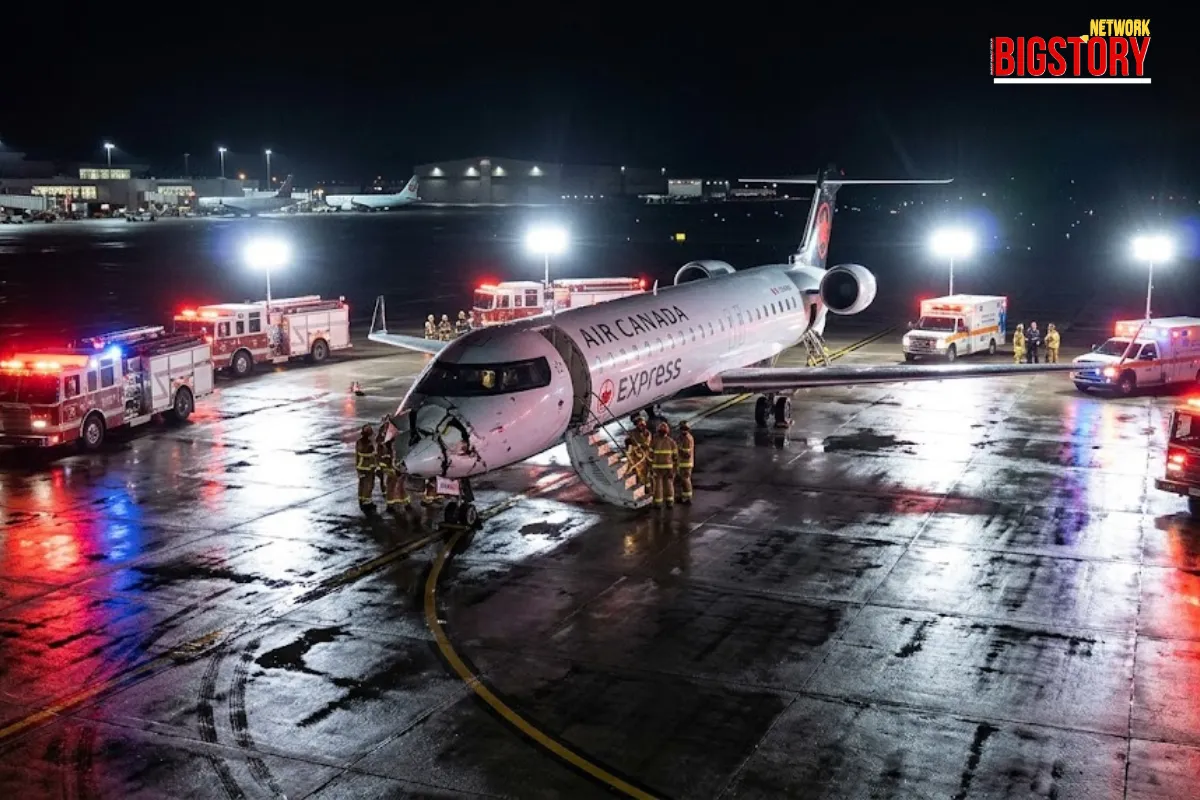
Air India has sought ₹10,000 crore from Tata Sons and Singapore Airlines after a fatal crash and airspace disruptions, pushing back its turnaround timeline.
 Brajesh Mishra
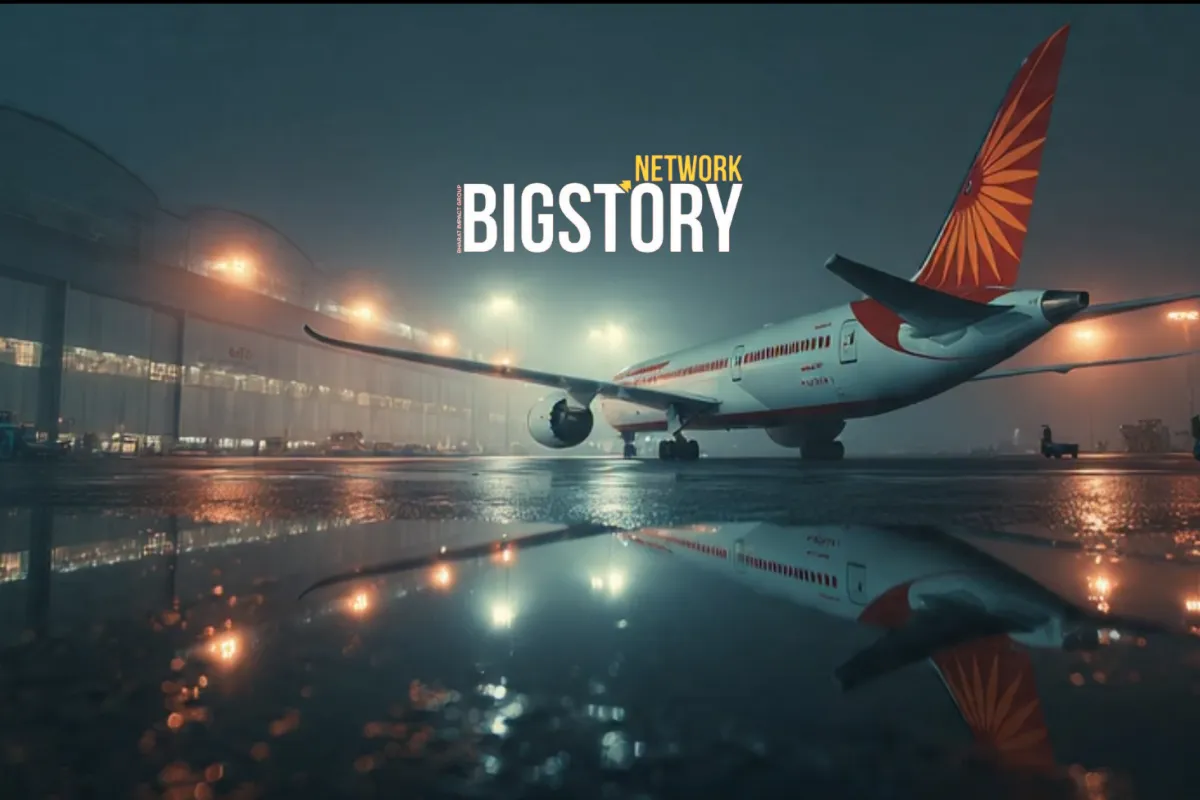
A funding request framed as crisis recovery also raises a quieter question — why India's flag carrier continues to need rescue capital even under new ownership.
Air India has asked Tata Sons and Singapore Airlines for approximately ₹10,000 crore (around $1.1 billion) in fresh financial support following a series of operational and geopolitical disruptions. The request comes less than 18 months after a prior capital infusion, signaling that the airline’s turnaround effort remains under severe strain.
The need for new funding follows two shocks. First, the fatal crash of flight AI-171 from Ahmedabad in June 2025, which led to grounded aircraft, insurance liabilities, and regulatory scrutiny. Second, Pakistan’s airspace closure for Indian carriers earlier this year, forcing rerouted long-haul operations and increasing fuel burn on key international sectors.
Air India’s management has positioned the funding as necessary to rebuild operational resilience — including establishing in-house engineering capacity, strengthening safety systems, and upgrading operational infrastructure. The airline had long outsourced major maintenance, a legacy approach now seen as a vulnerability.
The crash and airspace restrictions accelerated the demand for capital. But the request also highlights persistent operational challenges.
Air India has been undergoing the largest transformation in its modern history — merging with Vistara, consolidating fleets, integrating IT systems, and inducting new aircraft as part of a 470-plane order. Even without recent disruptions, the carrier faced a complex and expensive transition timeline stretching to 2029.
By contrast, private competitor IndiGo has continued to expand profitably with a simplified fleet, sharper cost controls, and market dominance. The gap in operating discipline — built over decades — remains a central hurdle for Air India’s revival.
Campbell Wilson — CEO
Leads Air India’s restructuring and merger with Vistara. His mandate includes modernizing operations, rebuilding engineering capabilities, and restoring reliability. The dual shock events have shifted timelines and increased capital needs.
Tata Sons & Singapore Airlines — shareholders
Have reiterated long-term commitment to the airline. The consortium has already invested significantly post-privatization. Continued support signals that the transformation remains a strategic priority.
Regulators and investigators
The air crash probe found no systemic safety deficiencies but recommended process upgrades, prompting internal reviews and accelerated investment in training and engineering.
Passengers and workforce
Customer confidence took a temporary hit post-crash. Employees face pressure to deliver reliable operations amid systems transition and public scrutiny.
Short term:
New capital will support safety upgrades, fleet recovery, engineering infrastructure, and operational continuity.
Medium term:
Air India continues the Vistara integration process, fleet induction, staff retraining, and systems modernization. Operational metrics — on-time performance, maintenance turnaround, and service reliability — become critical markers.
Long term:
Sustained scale requires cultural transformation: faster processes, leaner decision-making, and competitive cost structures. External shocks exposed fragility; the next phase tests internal capability.
Traditional reading: this is a crisis-driven capital request following exceptional events.
Broader frame: India’s aviation landscape is revealing its divide. IndiGo grew by mastering efficiency in a tight market. Air India grew accustomed to capital availability — first public, now private — and is learning to compete in a commercial environment where access to funds does not replace operational discipline.
For Tata and Singapore Airlines, continued investment is part of a long-horizon plan. For Indian aviation, this moment tests whether legacy carriers can evolve beyond history and sentiment into sustainable operators.
Why does Air India need funding now?
Crash fallout and airspace restrictions disrupted operations, accelerated spending, and delayed turnaround timelines.
Where will the funding go?
Safety systems, in-house engineering expansion, fleet recovery, training, and operational upgrades.
Is this bailout guaranteed?
Shareholders have signaled support, but timing and structure are being finalized.
Does this affect passengers?
Services continue. The goal is to stabilize schedules and reliability.
Will Air India return to profitability soon?
The timeline shifts beyond earlier targets; operational stability is the immediate priority.
 Exclusive Content


Sign up for the Daily newsletter to get your biggest stories, handpicked for you each day.


 Trending Now! in last 24hrs