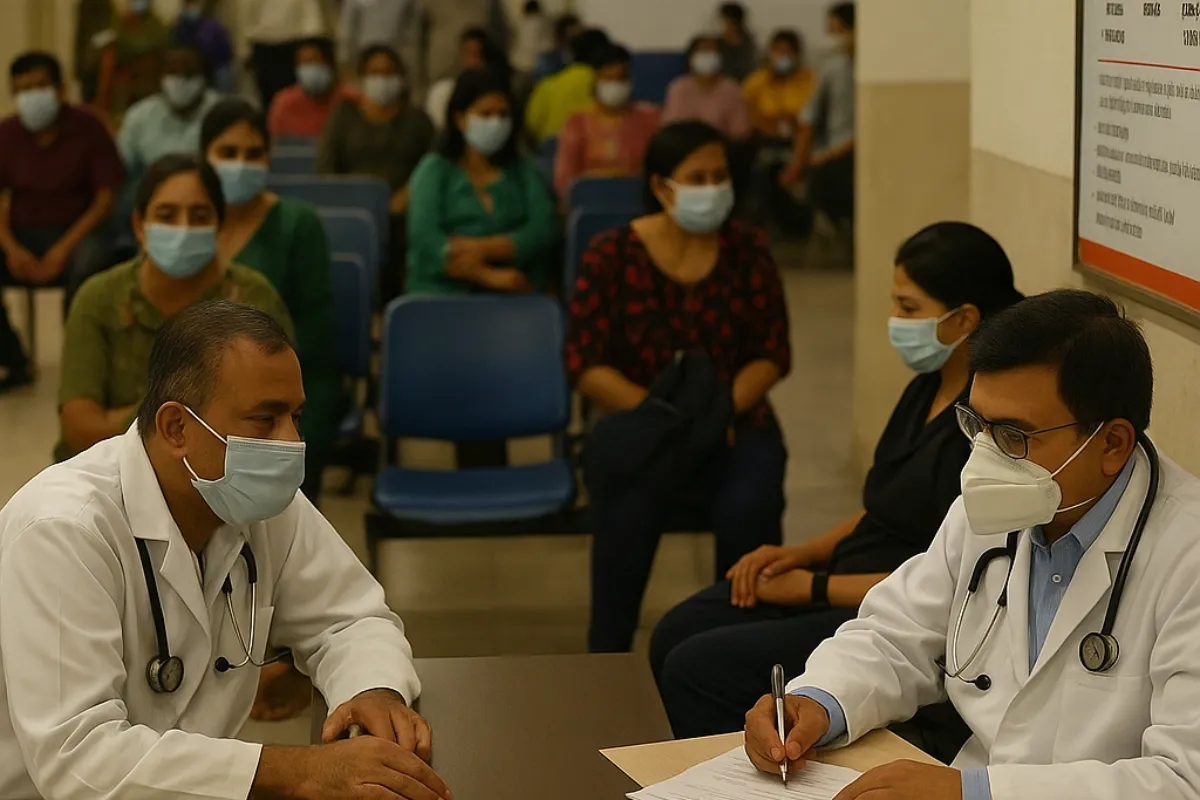
Indian employees face rising pressure from long hours, job insecurity, and layoff fears, fueling stress, burnout, and a surge in job-switching intentions.
 Ritika Das

Indian employees are grappling with an unprecedented "age of anxiety," driven by intense pressure from long work hours, looming layoff fears, and high job insecurity, painting a challenging picture of workplace mental health in 2025.
Studies show that nearly 30% of Indian employees experience daily stress, with almost half (49%) actively seeking new job opportunities due to dissatisfaction and burnout. The relentless pressure to perform in highly competitive industries combined with poor managerial behavior is cited as a key factor. Many professionals, especially young workers under 30, report feeling overwhelmed by workload and poor work-life balance.
The consequences extend beyond individual suffering:
Cultural factors deepen the problem. India ranks low on "indulgence," meaning employees often feel unable to set boundaries or prioritize personal wellbeing over work obligations. Combined with economic insecurity in a large, competitive job market, many workers extend their work hours and suffer chronic stress, increasing risks of mental health disorders, cardiovascular issues, and even suicides.
Gallup’s "State of the Global Workplace 2025" report highlights that India lags materially behind many countries in employee engagement, with just 30% engaged in their jobs—a decline from previous years. Indian workers also experience daily anger (34%) and stress at far higher rates than countries like China (18%) or Finland (6%), underscoring the crisis’s scale.
Many companies have started introducing Employee Assistance Programs (EAPs) and professional counseling to address mental health concerns. Industry leaders like Tata Consultancy Services launched initiatives such as "TCS Cares" to support employees struggling with anxiety, depression, and stress. However, experts argue this is just a first step and advocate for deeper cultural reforms, including better managerial training, workload management, and flexible policies.
Young professionals particularly report a worsening scenario. Surveys reveal that 64% of employees aged 21-30 are battling high stress levels, partly linked to the pressures of hybrid work, work-from-home challenges, and the blurred line between personal and work time.
In the face of relentless competition, longer working hours, and technological monitoring, many employees feel trapped in a cycle that threatens both mental and physical health. The fear of layoffs further exacerbates this anxiety, leading to decreased morale and motivation.
Experts highlight the urgent need for Indian companies to:
The Indian workforce’s mental health crisis is not merely an HR issue but a broader socio-economic challenge impacting millions of lives and the country’s economic competitiveness. Addressing this will require coordinated efforts from business leaders, policymakers, and society at large.
 Exclusive Content


Sign up for the Daily newsletter to get your biggest stories, handpicked for you each day.



 Trending Now! in last 24hrs