
The Election Commission claims 99% of Bengal voters received SIR forms, countering "disenfranchisement" claims. But a 67% voter growth anomaly sparks fraud allegations.
 Brajesh Mishra
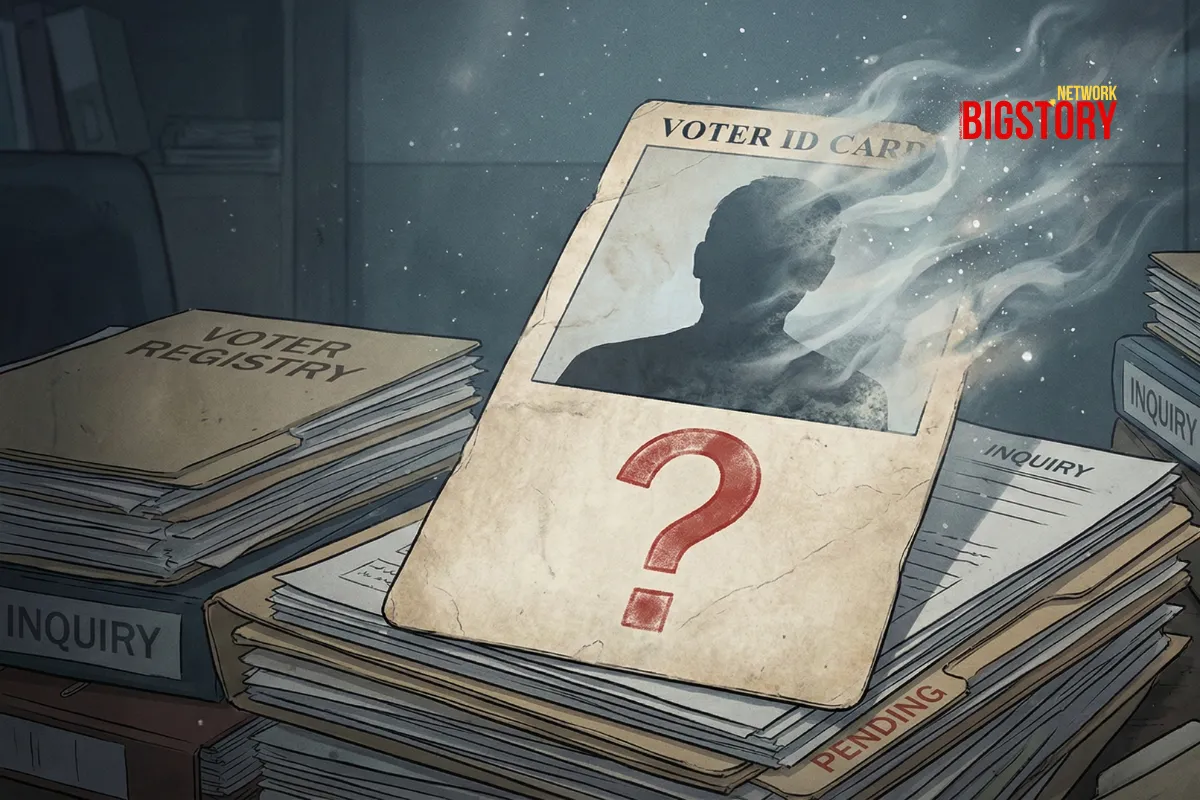
The Election Commission of India (ECI) filed a counter-affidavit in the Supreme Court on December 1, 2025, asserting that 99.77% of existing electors in West Bengal have been supplied with enumeration forms for the Special Intensive Revision (SIR) of electoral rolls. The Commission dismissed allegations of mass disenfranchisement as "highly exaggerated" and politically motivated. However, this defense comes amidst a deepening statistical crisis: Bengal's voter roll has grown by a staggering 66-67% since 2002, far outpacing the state's 31% population growth, raising urgent questions about the legitimacy of millions of entries.
The controversy erupted after the ECI launched the SIR in November to clean up voter lists ahead of the 2026 assembly elections. Preliminary data revealed that only 41% of voters in key border districts like North 24 Parganas could be matched to the 2002 benchmark roll, leaving nearly 60% of the electorate potentially flagged as "new" or unverifiable. The opposition BJP alleges these numbers hide 13.25 lakh "bogus voters" inserted by the ruling TMC, while the TMC claims the surge reflects genuine Hindu refugees and natural growth, accusing the ECI of a "backdoor NRC" to delete legitimate citizens.
While the headlines focus on the "99% success" claim, the deeper story is the "Demographic Paradox." How does a state's voter list grow twice as fast as its population? The gap of roughly 35 percentage points—millions of people—cannot be explained by standard birth/death rates. This statistical chasm suggests one of three disturbing realities: either West Bengal has been subject to massive, undocumented migration (as the BJP claims), or the electoral administration has utterly failed to remove dead voters for two decades (administrative collapse), or the rolls have been systematically stuffed with phantom voters (electoral fraud). The "99%" figure measures effort, but it doesn't answer the fundamental question of who these millions of extra voters actually are.
If the Supreme Court accepts the ECI's defense, the SIR will proceed to its next phase of deletions, potentially removing millions of "unmatched" names. This could trigger social unrest and legal chaos, as genuine citizens without 2002-era documents scramble to prove their status. Politically, if the "excess" voters are deleted, it could radically alter the electoral math in Bengal's border districts, potentially swinging the 2026 election before a single vote is cast.
If a voter roll has 20 million more names than demographics suggest it should, is an election based on that list a democratic exercise or a statistical fiction?
What does ECI mean by "99% voters given SIR forms in Bengal"?
The Election Commission stated in its affidavit that 99.77% of existing registered voters in West Bengal were successfully supplied with pre-filled enumeration forms by Booth Level Officers (BLOs). However, only about 70% of these forms have been filled and returned so far.
Why does West Bengal have 67% more voters than in 2002?
Between 2002 and 2025, Bengal's voter list grew by nearly 67%, while the population grew by only roughly 31%. The ECI and opposition parties suspect this discrepancy is due to a combination of un-deleted deceased voters, duplicate entries, and alleged illegal infiltration, though the TMC attributes it to natural growth and refugees.
Are voters being deleted from the voter rolls?
Yes. Preliminary data suggests at least 10-14 lakh voters have been flagged for deletion, including over 6.5 lakh confirmed deceased voters. The final number will be determined after the draft roll publication in December.
What is the Supreme Court doing about the Bengal voter list controversy?
The Supreme Court is hearing petitions challenging the SIR process. On December 1, 2025, the ECI filed a counter-affidavit defending the exercise. The court is scheduled to hear the matter further on December 9.
News Coverage
Research & Analysis
 Exclusive Content


Sign up for the Daily newsletter to get your biggest stories, handpicked for you each day.



 Trending Now! in last 24hrs


