
Trump’s 50% tariffs on Indian goods led to tensions. Now both Trump and Modi say talks are back on track amid pressure over Russian oil.
 Sseema Giill
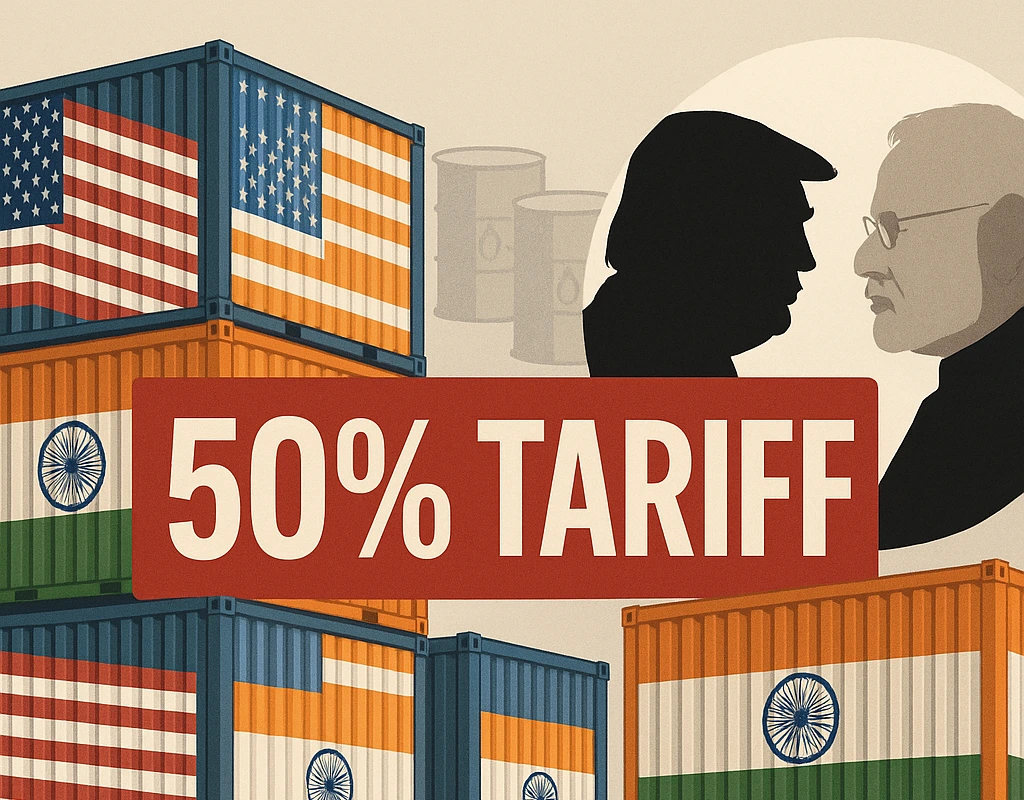
The tariff dispute between India and the United States has entered a new phase. After weeks of tensions triggered by Washington’s decision to impose tariffs as high as 50% on Indian goods, both leaders are now talking about renewed dialogue.
President Donald Trump said he looks forward to speaking with “my very good friend, Prime Minister Modi, in the coming weeks,” adding that he was “certain” the issue would be resolved successfully. The tariff package includes a 25% penalty linked to India’s imports of Russian oil, which Washington argues helps finance Moscow’s war.
Prime Minister Narendra Modi responded by calling the United States a “close friend and natural partner.” He said both governments were working to speed up negotiations and ensure a stronger future for their citizens.
Economists estimate the measures have shaved 0.5% from India’s GDP this year, with exporters in textiles, gems, jewelry, and auto parts most at risk. The rupee has also seen volatility since the tariffs were announced.
For the U.S., the impact is different. American importers face higher costs on Indian goods, while businesses with supply chains in India are pushing for a quick resolution. The U.S.–India Business Council has warned that “too much is at stake” and urged respectful, private talks.
The dispute had escalated in August, but the softer remarks from both leaders this week mark a shift. Analysts point to concerns over the economic fallout, pressure from industry groups, and the strategic importance of keeping the U.S.–India partnership stable. Trump’s call for the European Union to impose 100% tariffs on imports from India and China also added urgency, underlining the global stakes.
 Exclusive Content


Sign up for the Daily newsletter to get your biggest stories, handpicked for you each day.

 Trending Now! in last 24hrs


