India closes its Dhaka visa centre after extremist threats to the "Seven Sisters." The move signals a diplomatic crisis as Bangladesh pivots to Pakistan and China.
 Brajesh Mishra
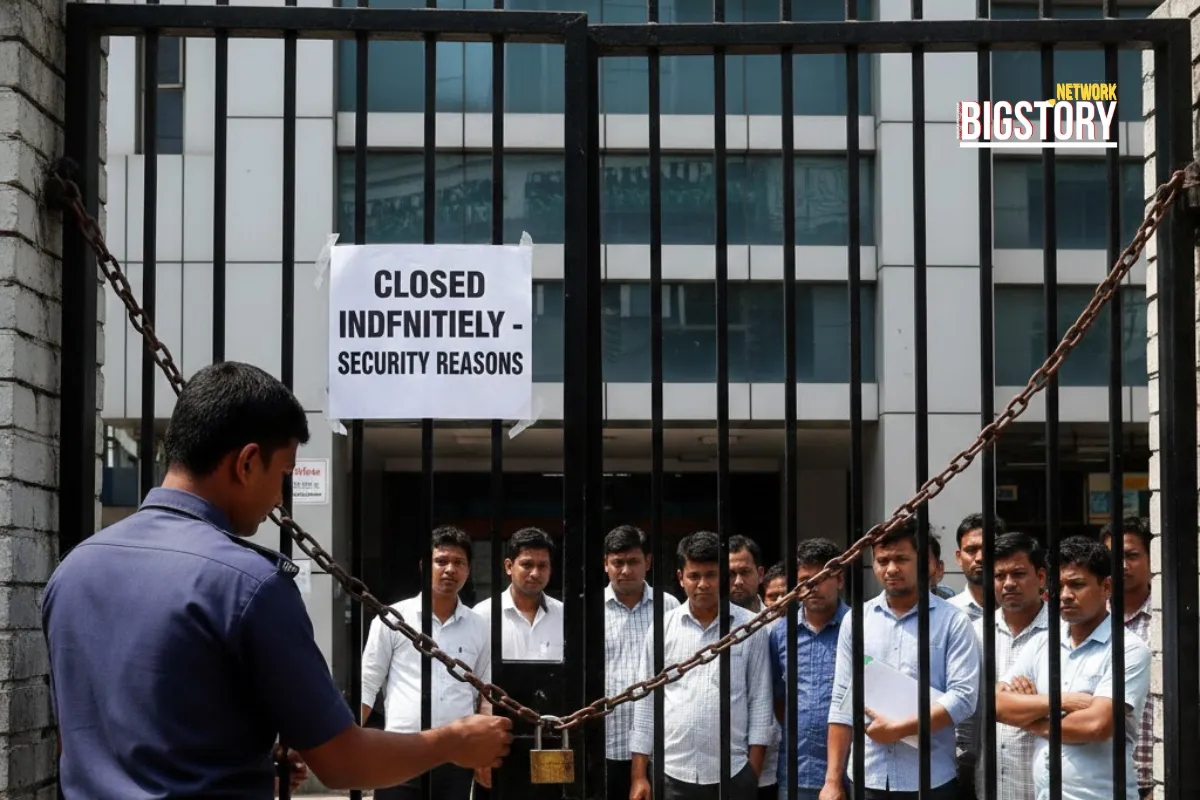
In a dramatic escalation of bilateral tensions, India indefinitely closed its Indian Visa Application Centre (IVAC) in Dhaka at 2 PM on December 17, 2025. The closure, impacting over 2.2 million annual applicants, was triggered by explicit security threats from extremist factions in Bangladesh. Just hours earlier, India summoned the Bangladeshi High Commissioner to lodge a formal protest after a radical leader threatened to "isolate India's Seven Sisters" (Northeast states) and harbor separatists if Bangladesh faced instability. This isn't just a security precaution; it’s a diplomatic warning shot aimed at a neighbor that is rapidly drifting out of New Delhi’s orbit.
The relationship has been in freefall since the ouster of Sheikh Hasina in August 2024. Her flight to India and subsequent death sentence in absentia by a Bangladeshi tribunal in November 2025 turned her asylum into a geopolitical flashpoint. The interim government led by Muhammad Yunus, facing a legitimacy crisis and domestic pressure, has tolerated increasingly hostile rhetoric against India while strengthening ties with Pakistan and China. The visa closure is the latest in a series of tit-for-tat moves, including trade disruptions and diplomatic summons, signaling the end of the "golden chapter" of Indo-Bangla relations.
While headlines focus on "security threats," the deeper story is the "Strategic Realignment." Bangladesh is actively pivoting. The cancellation of a $21 million contract with an Indian firm and growing military engagement with Pakistan suggest Dhaka is seeking a new strategic balance, moving away from India’s sphere of influence toward a China-Pakistan axis. The visa closure isn't just about protecting diplomats; it’s a desperate attempt by India to impose costs on this realignment before the February 2026 elections potentially cement a hostile regime in Dhaka. The "Seven Sisters" threat isn't just rhetoric; it's a signal that Bangladesh's territory could once again become a launchpad for insurgencies against India, a nightmare scenario New Delhi thought it had buried years ago.
The closure paralyzes people-to-people ties. Traders, students, and patients are now collateral damage in a high-stakes diplomatic poker game. If the shutdown persists, it could decouple the two economies, pushing Bangladesh further into Beijing's economic embrace. For India’s Northeast, the return of hostile rhetoric from Dhaka revives old security anxieties about cross-border insurgency support, potentially forcing a remilitarization of the eastern border.
If India closes the door to Bangladeshis, will China and Pakistan be the ones to open theirs?
Why did India close its visa application centre in Dhaka on December 17, 2025? India closed the IVAC in Dhaka due to escalating security threats. This followed explicit warnings from extremist leaders in Bangladesh threatening to "isolate" India's Northeastern states (Seven Sisters) and create a security situation around the Indian High Commission.
How will the visa centre closure affect Bangladeshi citizens? The closure impacts approximately 2.2 million annual applicants. All appointments scheduled for December 17 and beyond have been indefinitely rescheduled. This disrupts travel for medical patients, students, and business professionals, effectively freezing people-to-people movement.
What is the current state of India-Bangladesh relations? Relations have severely deteriorated since the ouster of Sheikh Hasina in August 2024. The interim government's tolerance of anti-India rhetoric, coupled with its strategic pivot toward Pakistan and China, has created deep distrust. The visa closure is a diplomatic escalation in response to these shifts.
Who is Hasnat Abdullah and what did he say? Hasnat Abdullah is a leader of the National Citizen Party in Bangladesh. On December 16, he publicly threatened that if Bangladesh faced instability, they would force the separation of India's "Seven Sisters" (Northeast states) and provide refuge to separatists, a statement that triggered India's diplomatic retaliation.
News Coverage
Research & Analysis
 Exclusive Content


Sign up for the Daily newsletter to get your biggest stories, handpicked for you each day.

 Trending Now! in last 24hrs