BIGSTORY Network


India Jan. 15, 2026, 4:49 p.m.

Nipah Returns: Two Nurses Critical as Virus Hits Bengal

Nipah virus outbreak reported in West Bengal (2026) for the first time in 19 years. Two nurses critical. Experts warn against raw date palm sap.

by Author Brajesh Mishra
Hero Image

For the first time since 2007, the deadly Nipah Virus (NiV) has struck West Bengal, shattering nearly two decades of epidemiological silence in the region. On January 13, 2026, state health authorities issued a high alert after detecting two suspected cases in nurses at a private hospital in Barasat (North 24 Parganas). One has tested positive, and both are currently on ventilator support with severe encephalitis symptoms.

The Union Health Ministry has deployed a National Joint Outbreak Response Team, but the timing is alarming. Unlike Kerala’s monsoon outbreaks, this resurgence coincides with Bengal’s peak winter harvest—specifically the collection of date palm sap—raising fears that the virus is hitchhiking on a cultural staple.

The Context (How We Got Here)

While Kerala has battled annual outbreaks since 2018, West Bengal has been dormant for 19 years.

  • The History: The state last saw devastation in 2001 (Siliguri) and 2007 (Nadia), where mortality rates hit terrifying highs of 70-100%.
  • The Gap: This long absence has created "Immunity Amnesia"—a lack of preparedness among a generation of doctors who have never treated a Nipah case.
  • The Trigger: On January 11, two nurses developed sudden, severe neurological symptoms. Their deterioration was rapid, prompting samples to be rushed to NIV Pune, confirming the worst fears of local virologists.

The Key Players (Who & So What)

  • J.P. Nadda (Union Health Minister): Coordinating the central response. He is rushing technical support to Bengal, knowing that unlike Kerala, the state lacks recent experience in containment protocols like the "Kozhikode Model."
  • The "Nurse Patients" (Patient Zero Mystery): The fact that both primary victims are nurses is the central mystery. Did they contract it from an undiagnosed patient (a "silent spreader") in their ward? or did they consume contaminated raw sap together? Their diagnosis suggests a breach in either Hospital Infection Control (HIC) or food safety.
  • Dr. Sayan Chakraborty (The Expert): An infectious disease consultant warning that the vector here is unique. In Bengal, the Pteropus bat transmits the virus via raw date palm sap (khejur ras), a winter morning drink consumed across rural districts.

The BIGSTORY Reframe (The "Gur Economy" Risk)

While mainstream reports focus on "isolation wards," the real story is the collision of Culture vs. Contagion.

This isn't a random spillover; it is a "Winter Vector" event. The outbreak is inextricably linked to the Date Palm Economy.

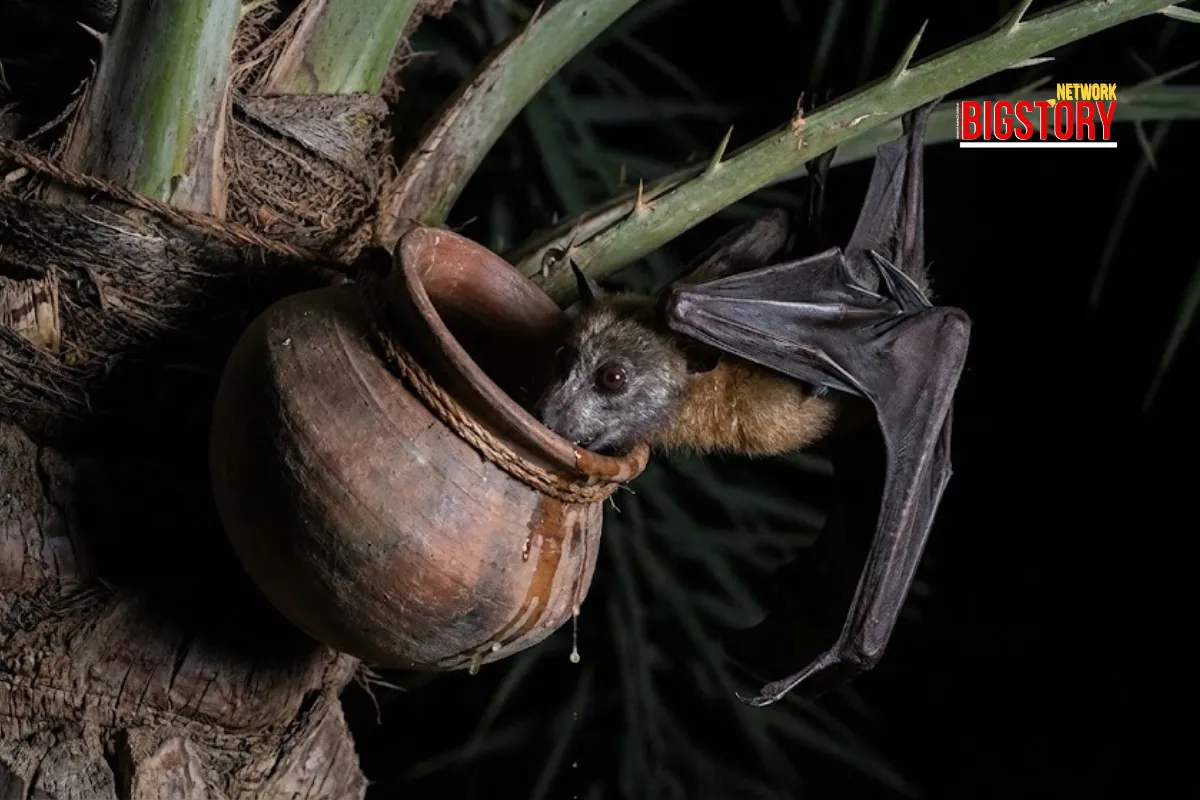
  • The Mechanism: Fruit bats drink from the clay pots used to collect sap at night, contaminating them with saliva or urine.
  • The Danger: This raw sap is sold as a morning delicacy (tari) or used to make Nolen Gur. While boiling the sap for jaggery kills the virus, consuming it raw—as many do in January—is akin to playing Russian Roulette.
  • The Gap: A "Safe Consumption Guide" is missing. The panic threatens the livelihoods of thousands of gurer shiuilis (tappers), while silence threatens the lives of consumers.

The Closing Question (Now, Think About This)

If a winter delicacy can turn deadly after 19 years of silence, are we prepared to question our traditions to survive a pandemic?

FAQs

Is there a Nipah virus outbreak in West Bengal in 2026? Yes, suspected cases were reported in North 24 Parganas in January 2026, marking the first potential outbreak in the state since 2007.

How does Nipah virus spread in West Bengal? In Bengal, transmission is historically linked to consuming raw date palm sap contaminated by fruit bats (which drink from the collection pots), unlike Kerala where direct animal contact is more common.

What are the early symptoms of Nipah virus? Symptoms include fever, muscle pain, and sore throat, followed quickly by dizziness, drowsiness, and encephalitis (brain inflammation), which can lead to coma within 24-48 hours.

Sources

News Coverage

Context & Analysis


Brajesh Mishra
Brajesh Mishra Associate Editor

Brajesh Mishra is an Associate Editor at BIGSTORY NETWORK, specializing in daily news from India with a keen focus on AI, technology, and the automobile sector. He brings sharp editorial judgment and a passion for delivering accurate, engaging, and timely stories to a diverse audience.

BIGSTORY Trending News! Trending Now! in last 24hrs

SC to Bengal: "Lawlessness" if Police Block ED; Stays FIRs
India
SC to Bengal: "Lawlessness" if Police Block ED; Stays FIRs
Skies Shut Down: Air India & Lufthansa Cancel Flights Over Iran
India
Skies Shut Down: Air India & Lufthansa Cancel Flights Over Iran
Nipah Returns: Two Nurses Critical as Virus Hits Bengal
India
Nipah Returns: Two Nurses Critical as Virus Hits Bengal
BMC Polls Live: "Vanishing Ink" Chaos Hits Voting in Mumbai
India
BMC Polls Live: "Vanishing Ink" Chaos Hits Voting in Mumbai