BIGSTORY Network


India Feb. 19, 2026, 9:31 p.m.

"Broken Rice" Diplomacy: How FCI’s 5-Year UN Pact Secures India’s Farming Surplus

The Food Corporation of India signs a 5-year MoU to supply 200,000 tonnes of rice to the UN World Food Programme. Inside the "Broken Rice" diplomacy strategy.

by Author Sseema Giill
Hero Image

The paperwork was signed quietly in New Delhi on Wednesday, but its impact will be felt from the farm belts of Andhra Pradesh to the conflict zones of the Global South. The Food Corporation of India (FCI) and the World Food Programme (WFP) have officially locked in a five-year agreement for the annual supply of 200,000 metric tonnes of rice.

This matters because India is actively institutionalizing its role as the global "lender of last resort" for food. For decades, Indian food aid was ad-hoc and reactive. This 5-year pipeline fundamentally shifts India's geopolitical posture from a nation purely focused on protecting its domestic reserves to an assertive, permanent anchor of the UN's "Zero Hunger" global supply chain.

The "BigStory" Angle (The "Broken Rice" Strategy)

Mainstream reporting is framing this purely as a humanitarian victory. They are missing the Supply Chain Masterstroke.

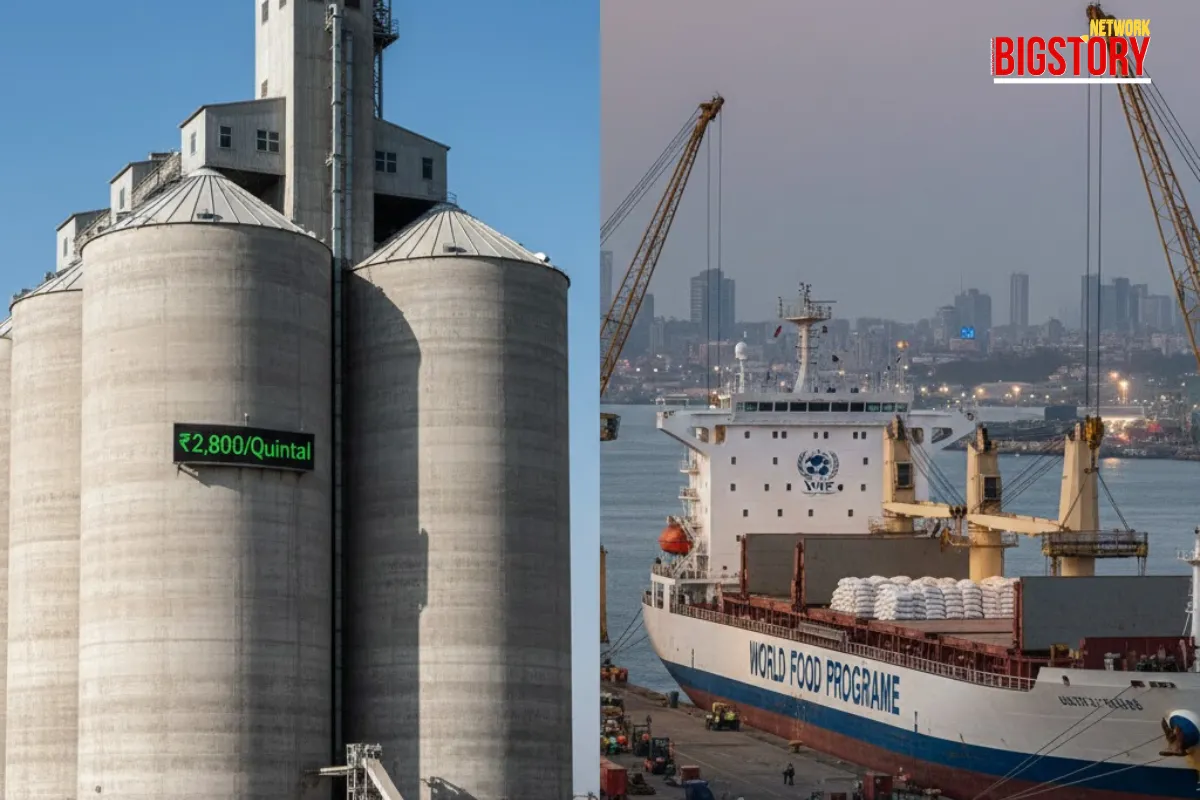
Look closely at the grade of the grain: the MoU specifically authorizes the supply of rice with up to 25% broken content. For the Indian agricultural sector, this is a highly strategic release valve. 25% broken rice is exactly the grade that typically faces restrictive export bans or punitive duties in commercial international markets to prevent domestic price inflation. By funneling this specific surplus through the WFP at a guaranteed ₹2,800 per quintal, the government secures a high-volume buyer that offsets the massive state subsidy bill without disrupting retail prices at home.

Furthermore, watch the Tech Logistics. Transporting 200,000 tonnes to global conflict zones without spoilage is a logistical nightmare. To manage this, FCI is reportedly leaning into AI-integrated "Silo Management" to continuously monitor moisture and quality, ensuring the specific shipments earmarked for the UN meet international maritime transit standards.

The Context (Rapid Fire)

  • The Trigger: Signed on February 18, 2026, the MoU moves India from temporary food relief to a structured, paid partnership with the UN.
  • The Backstory: The diplomatic groundwork was laid during India’s 2023 G20 Presidency, which heavily prioritized "Global Food Security," eventually leading to performance-linked modernizations within the FCI to handle export-grade surplus.
  • The Escalation: Global supply chains remain fractured. The WFP urgently needs stable partners that aren't vulnerable to Western geopolitical sanctions, making India the ideal, neutral mega-supplier.

Key Players (The Chessboard)

  • Rabindra Kumar Agarwal (The Supplier): The Chairman and Managing Director of FCI. His signature guarantees the physical logistics of moving 2 lakh tonnes of grain from Indian silos to global ports annually.
  • Carl Skau (The Buyer): The Deputy Executive Director of the WFP. He views this deal as a "transformative partnership" that taps into an agricultural surplus nation to reach vulnerable populations.
  • Sanjeev Chopra (The Strategist): The Union Food Secretary, framing this not as a simple trade, but as India "exporting hope, nutrition, and dignity".

The Implications (Your Wallet & World)

  • Short Term (This Quarter): Because this is a paid agreement rather than free aid, the ₹2,800/quintal benchmark sets a solid floor for procurement economics. Maritime logistics firms should watch for immediate tenders to ship the first 50,000-tonne tranche.
  • Long Term (2026-2030): Institutionalizing this supply turns agricultural strength into diplomatic leverage. In future trade negotiations, India’s status as the UN's primary grain provider will be a massive shield against Western agricultural tariffs.

The Closing Question

India is selling 2 lakh tonnes of rice to the UN at a fixed price to feed the globe, while managing its own massive domestic subsidy program. Do you think the government should increase these international UN contracts, or keep all surplus strictly within India? Tell us in the comments.

FAQs

  • Q: What is the 5-year MoU between FCI and World Food Programme 2026?
  • A: It is a strategic agreement where the Food Corporation of India (FCI) will supply 200,000 metric tonnes of rice annually to the UN World Food Programme (WFP) for global humanitarian relief over five years.
  • Q: How much rice is India exporting to the UN WFP in 2026?
  • A: Under the newly signed pact, India will supply 200,000 metric tonnes (2 lakh tonnes) of rice, which includes up to 25% broken grains, for the UN's emergency hunger operations.
  • Q: Will the FCI-WFP deal increase domestic rice prices in India?
  • A: No. The agreement specifically utilizes surplus stocks (up to 25% broken rice) at a mutually agreed and fixed price of ₹2,800 per quintal until March 2026, which is designed to prevent domestic market disruption.
  • Q: Who signed the rice supply agreement with the World Food Programme?
  • A: The MoU was signed in New Delhi by Rabindra Kumar Agarwal, Chairman and Managing Director of FCI, and Carl Skau, Deputy Executive Director of the WFP, in the presence of Food Secretary Sanjeev Chopra.

Sources: Press Information Bureau (PIB), DD News On Air, Business World, Informist Media.

Sseema Giill
Sseema Giill Founder & CEO

Sseema Giill is an inspiring media professional, CEO of Screenage Media Pvt Ltd, and founder of the NGO AGE (Association for Gender Equality). She is also the Founder CEO and Chief Editor at BIGSTORY NETWORK. Giill champions women's empowerment and gender equality, particularly in rural India, and was honored with the Champions of Change Award in 2023.

BIGSTORY Trending News! Trending Now! in last 24hrs

The "Prefix War": Why PM Modi’s Latest Tribute Just Triggered a Political Storm in Bengal
India
The "Prefix War": Why PM Modi’s Latest Tribute Just Triggered a Political Storm in Bengal
"Broken Rice" Diplomacy: How FCI’s 5-Year UN Pact Secures India’s Farming Surplus
India
"Broken Rice" Diplomacy: How FCI’s 5-Year UN Pact Secures India’s Farming Surplus
The "America-India Connect": Sundar Pichai’s $15B Plan to upgrade Your Internet Speed
India
The "America-India Connect": Sundar Pichai’s $15B Plan to upgrade Your Internet Speed
Green Tech Alert: How Newsom’s London Trip Just Secured $1 Billion for California Energy
India
Green Tech Alert: How Newsom’s London Trip Just Secured $1 Billion for California Energy