BIGSTORY Network


Bharat One Feb. 16, 2026, 10:03 p.m.

New Rules for Neighbors: How the BNP Landslide Changes Your Border Security & Trade

Modi declines the invitation to Bangladesh's new PM swearing-in, sending Speaker Om Birla instead. Is it a scheduling conflict or a diplomatic message? The insider story.
by Author Sseema Giill
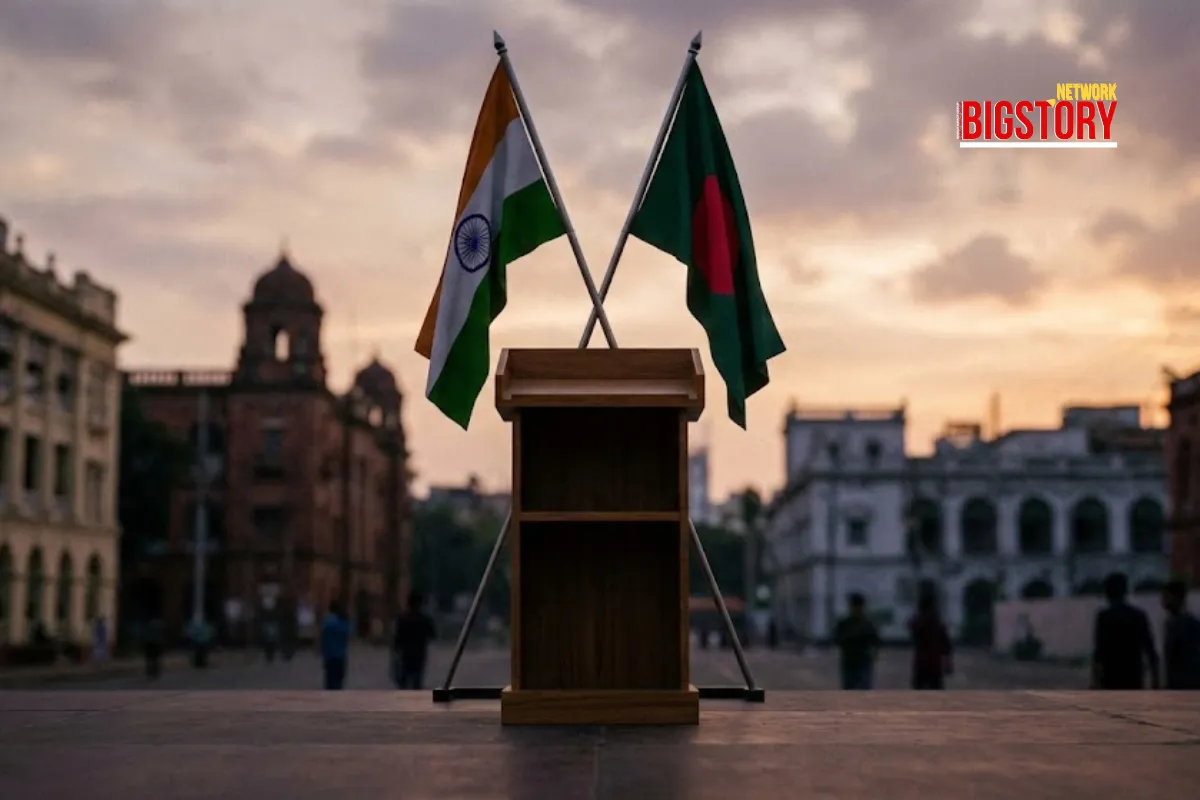
Hero Image

The invitation arrived with fanfare, but the response was a calculated silence. Prime Minister Narendra Modi confirmed today he will not be flying to Dhaka tomorrow for the swearing-in of Bangladesh's new Prime Minister, Tarique Rahman. Instead, Lok Sabha Speaker Om Birla will represent New Delhi in the front row.

This matters because this isn't just a scheduling conflict with the French President. It is a diplomatic firewall. By sending a parliamentary peer rather than the Head of State, India is signaling it accepts the new BNP government but isn't ready to embrace it. For residents in border states like West Bengal and Assam, this "diplomatic distancing" suggests a rocky road ahead for border security and migration protocols.

The "BigStory" Angle (The Extradition Shadow)

Mainstream reports are citing Modi’s meeting with French President Macron as the reason for the no-show. That’s the "Level 1" story. The "Level 3" reality is the Extradition Trap.

Sheikh Hasina has been sheltering in India since her ouster in August 2024. Tarique Rahman ran his campaign on a "Bangladesh First" platform, promising to hold the previous regime accountable. If Modi stood on that stage in Dhaka tomorrow, he would almost certainly face a public or private demand to hand her over—a request India cannot grant without betraying a long-time ally, and cannot refuse without insulting the new government.

Sending Birla is the "middle path": it honors the protocol without exposing the Prime Minister to the immediate political heat of the "Hasina Question."

The Context (Rapid Fire)

  • The Trigger: The BNP’s landslide win (209 of 297 seats) on Feb 12 forced New Delhi to accept that the "Hasina Era" is irretrievably over.
  • The Backstory: Tarique Rahman returned from 17 years of exile in London last December. He has historically been viewed with deep suspicion by India's security establishment.
  • The Escalation: Rahman invited 13 nations, including China and Pakistan, to the ceremony—signaling that India is now just one friend among many, not the "Big Brother."

Key Players (The Chessboard)

  • Tarique Rahman (The New Boss): He has explicitly stated, "We will not consider any country as a master." He is pivoting Dhaka’s foreign policy to be transactional, not emotional.
  • Om Birla (The Proxy): His job tomorrow is optics: smile, shake hands, and ensure the "Neighborhood First" policy survives the transition without making any concrete promises.

The Implications (Your Wallet & World)

  • Short Term (This Week): Watch the trade borders. If Rahman’s inaugural speech mentions "sovereignty" over "connectivity," expect immediate delays in supply chains for textiles and raw materials crossing into India.
  • Long Term (2026): The "Special Relationship" is dead. We are entering the "Transactional Era." India will have to compete with Chinese infrastructure loans and Pakistani soft power to keep Dhaka on its side.

The Closing Question

India is sheltering the leader Bangladesh just voted to punish. Do you think Modi is right to protect an old ally like Hasina, or should he prioritize the new government to secure our borders? Tell us in the comments.

FAQs

  • Q: Will PM Modi attend the Bangladesh swearing-in ceremony?
  • A: No. PM Modi declined due to scheduled talks with French President Macron. Lok Sabha Speaker Om Birla will attend on India's behalf.
  • Q: Who is the new Prime Minister of Bangladesh in 2026?
  • A: Tarique Rahman, leader of the Bangladesh Nationalist Party (BNP), who returned from exile to win a landslide victory in the February 2026 elections.
  • Q: Why is Sheikh Hasina in India?
  • A: Former PM Sheikh Hasina fled to India in August 2024 after student-led protests forced her resignation. She has been in exile there ever since.
  • Q: What is the "July Charter" in Bangladesh?
  • A: It refers to the constitutional reforms demanded by the student movement that ousted Hasina, focusing on reducing executive power and preventing future dictatorships.
  • Q: How many seats did the BNP win in the 2026 election?
  • A: The BNP secured a commanding majority, winning 209 out of 297 parliamentary seats.

Sources: The Hindu, The Hans India, PTC News, Onmanorama.

Sseema Giill
Sseema Giill Founder & CEO

Sseema Giill is an inspiring media professional, CEO of Screenage Media Pvt Ltd, and founder of the NGO AGE (Association for Gender Equality). She is also the Founder CEO and Chief Editor at BIGSTORY NETWORK. Giill champions women's empowerment and gender equality, particularly in rural India, and was honored with the Champions of Change Award in 2023.

BIGSTORY Trending News! Trending Now! in last 24hrs

Rafales & Robots: The Two Massive Deals Hanging Over Mumbai Right Now
Bharat One
Rafales & Robots: The Two Massive Deals Hanging Over Mumbai Right Now
New Rules for Neighbors: How the BNP Landslide Changes Your Border Security & Trade
Bharat One
New Rules for Neighbors: How the BNP Landslide Changes Your Border Security & Trade
Why Trump’s "Champion of Coal" Speech is Sending Shockwaves Through India’s Energy Market
Bharat One
Why Trump’s "Champion of Coal" Speech is Sending Shockwaves Through India’s Energy Market
Why the 114 Rafale Deal is India's "Sovereignty Insurance" Against the US and China
Bharat One
Why the 114 Rafale Deal is India's "Sovereignty Insurance" Against the US and China