
540 Indian nationals remain at large after escaping Nepal prisons during Gen Z protests. India tightens border security as regional diplomatic and security concerns grow.
 Sseema Giill
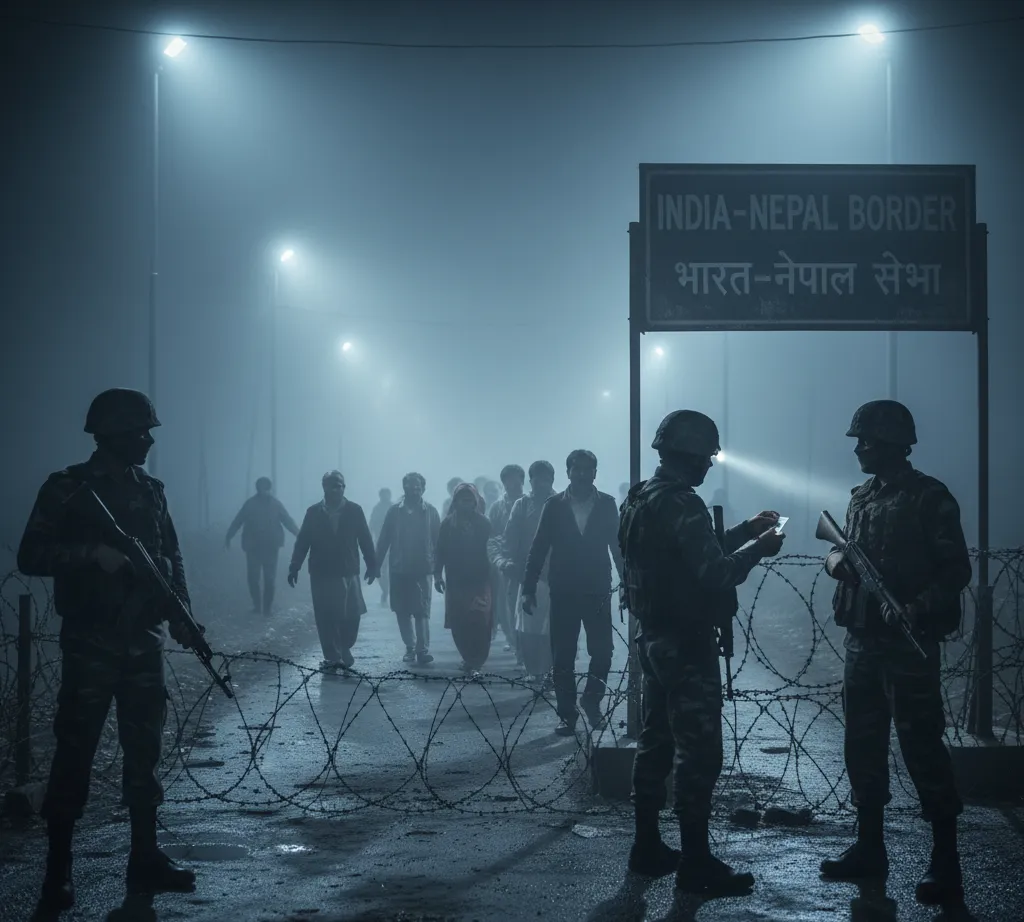
The Nepal Department of Prison Management has confirmed that 540 Indian nationals remain absconding after escaping from various prisons across Nepal during the violent Gen Z protests that erupted in September 2025.
On September 9, 2025, during the second day of mass anti-government protests, over 13,000 prisoners broke out of jails across all 77 districts of Nepal. The escapes were triggered by violent clashes and coordinated attacks on correctional facilities amid nationwide unrest.
Among the escapees were hundreds of Indian prisoners serving sentences for cross-border crimes, terrorism, organized crime, kidnapping, and smuggling.
Notable escapees include former junior minister Sanjay “Takla” Sah, convicted in the 2012 Janakpur bomb blast, and suspended deputy PM Top Bahadur Rayamajhi.
The protests, initially sparked by social media restrictions, escalated into a full-fledged anti-corruption uprising led by Nepal’s Gen Z youth. Over 76 people were killed, government buildings torched, and vital judicial records destroyed. The economic damage is estimated at $22.5 billion—nearly half of Nepal’s GDP.
The Sashastra Seema Bal (SSB) in India has tightened border controls across all 26 trade routes and 15 traffic routes.
“Nepal's prisons once held men who ran extortion rackets in north Bihar and east UP. Now they've vanished,” said an Indian intelligence official.
The Indian Ministry of External Affairs said it is “closely monitoring developments in Nepal” and has advised Indian nationals in Nepal to “exercise caution”. Meanwhile, Nepal’s Home Ministry has launched a nationwide manhunt and issued notices to absconding inmates.
Despite the crisis, both nations have maintained stable diplomatic communication, with External Affairs Minister S. Jaishankar denying any Indian hand in the protests.
Nepalese authorities, backed by army units, continue their search-and-recapture operations. Ten escapees have died in clashes with security forces. Some prisoners have voluntarily surrendered, particularly those with minor sentences.
This unprecedented jailbreak has exposed deep vulnerabilities in Nepal’s prison and security systems during political instability.
A total of 540 Indian nationals escaped from various prisons across Nepal on September 9, 2025, during mass anti-government protests.
Over 13,000 inmates broke out of prisons across all 77 districts of Nepal during the unrest — the largest prison break in the country’s history.
The escape occurred amid violent Gen Z-led protests against the KP Sharma Oli government, which escalated from opposition to social media bans to full-scale anti-corruption and anti-government demonstrations.
Some of the largest jailbreaks occurred in Kathmandu, Lalitpur, Biratnagar, and Chitwan, though the incident affected almost all correctional facilities nationwide.
Many Indian prisoners were serving sentences for cross-border smuggling, kidnapping, extortion, terrorism, and organized crime activities in the India–Nepal border region.
As of October 12, 2025, about 7,735 inmates have either been recaptured or voluntarily surrendered, while 5,648 remain at large.
The Sashastra Seema Bal (SSB) has tightened border security along the 1,751 km open border, increased patrols, and set up strict identity verification at check-posts. So far, 79 escapees have been arrested trying to cross into India.
Nepal’s Home Ministry has launched nationwide search operations, issued surrender notices, and deployed security forces to recapture fugitives. An alert has been sent to all provincial and district administrations.
Despite security concerns, India–Nepal diplomatic ties remain stable. Both governments are coordinating through established channels to address the situation.
 Exclusive Content


Sign up for the Daily newsletter to get your biggest stories, handpicked for you each day.



 Trending Now! in last 24hrs


