BIGSTORY Network


Bharat One March 10, 2026, 8:03 p.m.

The Hidden Fertilizer Shock: How the Emergency LPG Rationing Threatens India's Harvest

The Union Government's desperate maneuver to protect domestic cooking gas supplies by invoking emergency laws is quietly crippling the agricultural sector ahead of the crucial kharif sowing season.

by Author Sseema Giill
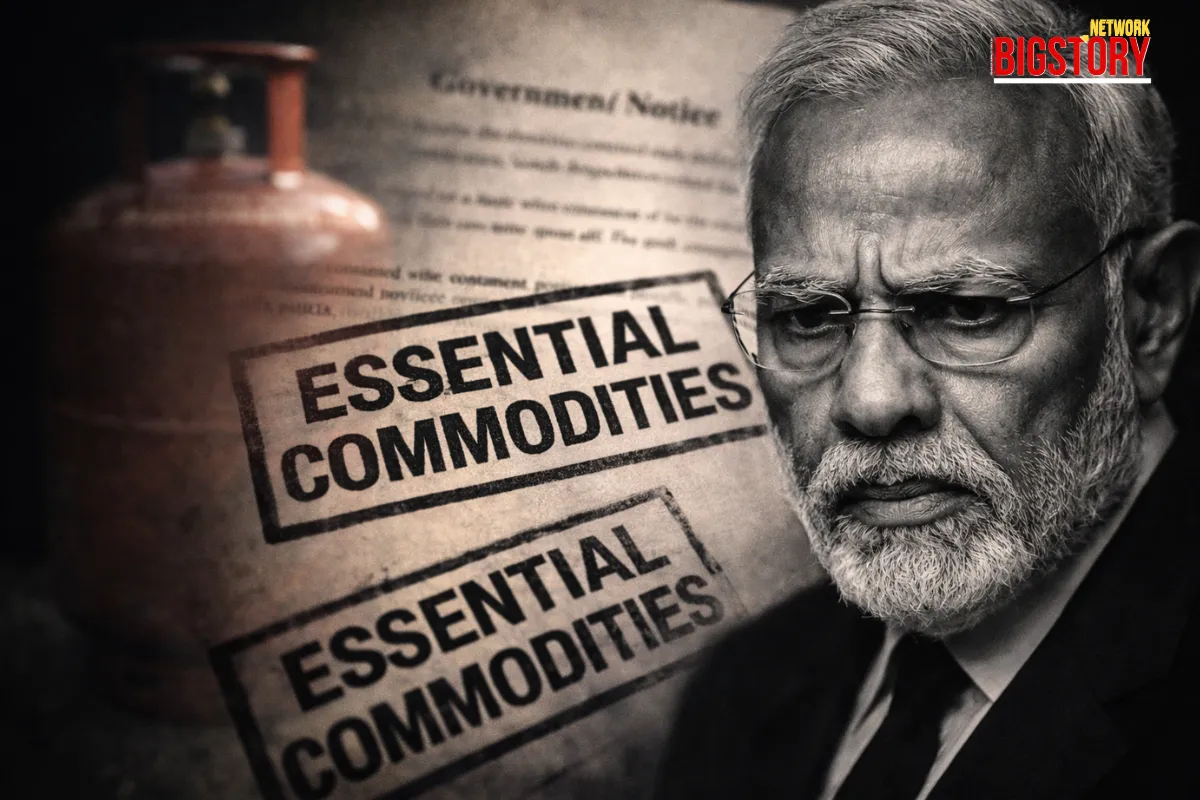
Hero Image

⏱️ 30-Second Brief

Expand to Read

What happened: India invoked the Essential Commodities Act to strictly ration natural gas and prioritize domestic LPG production amid global supply chain collapses. Why it happened: The West Asia conflict has effectively closed the Strait of Hormuz, cutting off the route for 85-90% of India's LPG imports. The strategic play: The Centre is forcibly diverting industrial gas and cutting commercial supplies to ensure 33 crore households don't run out of cooking fuel. India's stake: While averting domestic panic, the rationing threatens to shut down thousands of urban eateries and severely restricts urea production ahead of the kharif season. The deciding question: How long can India sustain household gas supplies before the crippled fertilizer and hospitality sectors trigger a wider economic crisis?

The central government's drastic measures to manage the essential commodities act lpg shortage 2026 crisis have initiated a chain reaction of commercial and industrial shutdowns across India. On Monday, the Union Government invoked the 1955 emergency law and issued the Natural Gas (Supply Regulation) Order to forcefully ration domestic energy supplies, responding to an unprecedented import collapse triggered by the West Asia conflict.

This intervention carries immediate, severe economic consequences. By mandating a rigid 25-day wait period for household cylinders and freezing commercial LPG deliveries, the government is deliberately sacrificing the urban hospitality and manufacturing sectors. Thousands of hotels across Bengaluru, Chennai, and Mumbai now face imminent closure, threatening the daily food supply of metropolitan workforces.

How We Got Here

  • The Trigger: The escalation of the US-Israel-Iran war in late February effectively closed the Strait of Hormuz, severing the route responsible for 85 to 90 percent of India's LPG imports.
  • The Background: By March 5, major importers like Petronet LNG were forced to issue force majeure notices to domestic buyers such as GAIL after suppliers like QatarEnergy abruptly halted shipments.
  • The Escalation: On March 9, the Ministry of Petroleum invoked the Essential Commodities Act, legally compelling domestic refineries to maximize propane and butane output exclusively for household LPG production.
  • The Stakes: The immediate suspension of commercial gas allocations on March 10 triggered mass shutdown warnings from restaurant associations in major tech and financial hubs, putting hundreds of thousands of MSME jobs at risk.

The Key Players

Hardeep Singh Puri, Union Minister of Petroleum and Natural Gas Puri authorized the emergency regulatory orders to ensure domestic households receive absolute priority over the commercial and industrial sectors. He maintains that citizen energy requirements are being met through non-Hormuz routes, despite the severe ground-level rationing.

Pramod Tiwari, Congress MP Tiwari is leading the political offensive against the Centre's handling of the energy shock. He places the blame for the acute shortage and the severe restrictions placed on citizens entirely on the Petroleum Ministry's lack of strategic foresight.

P C Rao, Honorary President, Bangalore Hotels Association Representing the immediate civilian fallout of the policy, Rao delivered a stark ultimatum on behalf of urban MSMEs. He confirmed that without commercial gas allocations, the city's hospitality infrastructure will simply cease to operate by mid-week.

The BIGSTORY Reframe — The Agricultural Food Security Threat

Mainstream coverage remains fixated on the immediate urban disruption—specifically the closure of metropolitan restaurants and the frustration surrounding the new 25-day booking rule for household cylinders. This myopic focus ignores the far more dangerous structural threat quietly embedded in the Natural Gas (Supply Regulation) Order. By forcibly diverting gas to keep domestic stoves burning, the government has mandated a brutal 70 percent allocation cap on natural gas for essential fertilizer plants.

This is a devastating blow to India's agricultural security. State-owned producers like GNFC are already experiencing 40 percent supply cuts from GAIL. By sacrificing industrial gas allocations to prevent retail voter panic, New Delhi is engineering a massive domestic urea shortage immediately preceding the crucial kharif (monsoon) crop season. India already imports 60 percent of its DAP and relies heavily on steady LNG flows for domestic urea production; sustained disruption in this sector guarantees a catastrophic spike in food inflation by the third quarter of 2026.

What This Means for India

  • Impending Food Inflation: The systematic restriction of natural gas to fertilizer plants will slash domestic urea production, threatening harvest yields and driving up foundational food costs later this year.
  • Urban Supply Chain Collapse: The freeze on commercial LPG cylinders threatens to bankrupt thousands of MSME eateries, destroying the cheap daily food networks that sustain gig workers and students in Tier 1 cities.
  • Urgent Import Diversion: The Ministry of Chemicals and Fertilizers must urgently fast-track the 1.7 million tonnes of finished fertilizers currently lined up for import to shield farmers from the domestic production shortfall.

The Implications

  • Short Term: The newly formed three-member OMC panel faces intense pressure to carve out a minimal survival fuel quota for the commercial food sector within 48 hours to avert mass urban protests.
  • Medium Term: The 25-day inter-booking wait period for domestic cylinders will likely spark a highly lucrative black market for household LPG as families attempt to hoard fuel against future supply shocks.
  • India-Specific Consequence: The crisis exposes the fatal vulnerability of prioritizing short-term retail political stability (household cooking gas) over long-term structural security (agricultural fertilizers and MSME survival).

If the government is willing to cripple the nation's fertilizer production today just to prevent a household gas panic, what is the strategy when the kharif harvest inevitably collapses tomorrow?

Sources

News & Wire Coverage:

Official Statements & Data:

  • Institutional Record: Ministry of Petroleum introduces Natural Gas (Supply Regulation) Order prioritizing domestic households — March 9, 2026
  • Institutional Record: Petronet LNG issues force majeure notices after QatarEnergy halts shipments — March 5, 2026
  • Industry Record: Bangalore Hotels Association issues shutdown ultimatum due to commercial gas suspension — March 10, 2026


Sseema Giill
Sseema Giill Founder & CEO

Sseema Giill is an inspiring media professional, CEO of Screenage Media Pvt Ltd, and founder of the NGO AGE (Association for Gender Equality). She is also the Founder CEO and Chief Editor at BIGSTORY NETWORK. Giill champions women's empowerment and gender equality, particularly in rural India, and was honored with the Champions of Change Award in 2023.

BIGSTORY Trending News! Trending Now! in last 24hrs

The Hidden Fertilizer Shock: How the Emergency LPG Rationing Threatens India's Harvest
Bharat One
The Hidden Fertilizer Shock: How the Emergency LPG Rationing Threatens India's Harvest
The Himalayan Reset: How Balen Shah's Landslide Mandate Forces a New Reality on New Delhi
Bharat One
The Himalayan Reset: How Balen Shah's Landslide Mandate Forces a New Reality on New Delhi
The $2.6 Billion Reset: What the Historic India-Canada Nuclear Deal Means for Energy
Bharat One
The $2.6 Billion Reset: What the Historic India-Canada Nuclear Deal Means for Energy
A Broken Council: What Finland's Endorsement Means for India's Permanent UN Seat
Bharat One
A Broken Council: What Finland's Endorsement Means for India's Permanent UN Seat