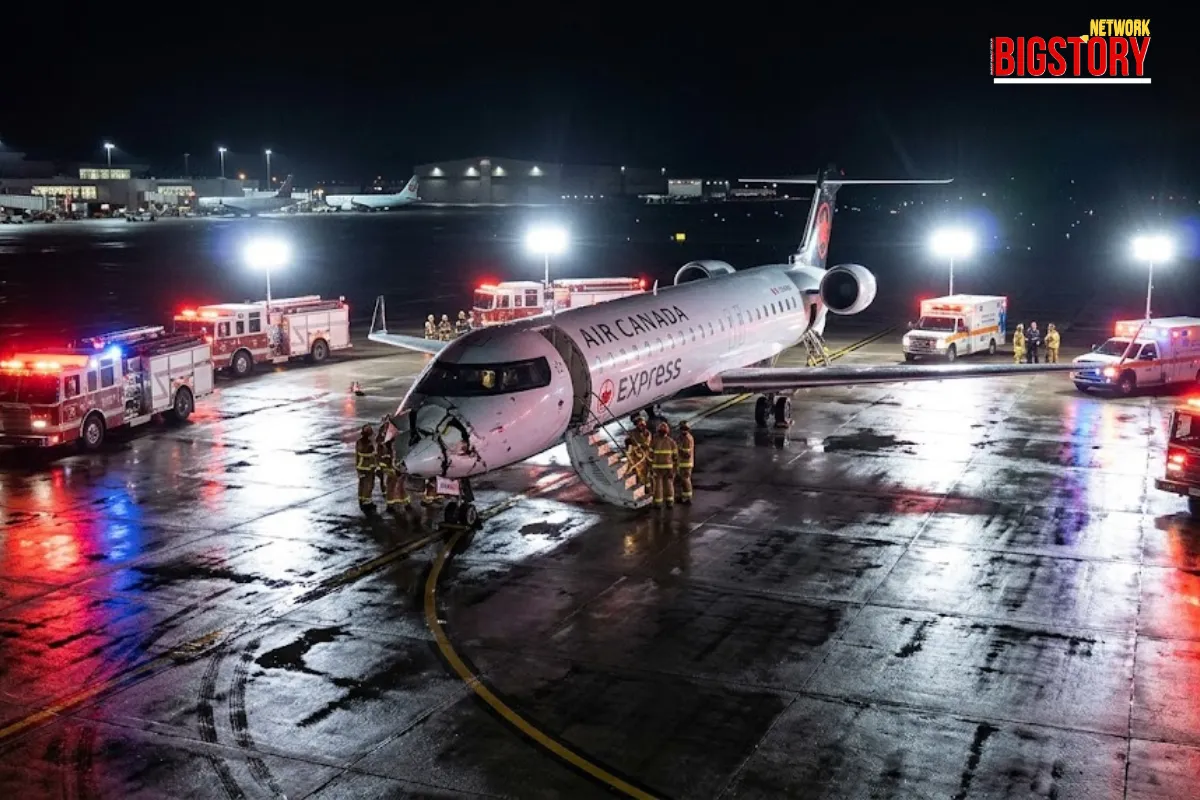
27 flights cancelled at Delhi Airport on Dec 18 due to dense fog. CAT-III limitations and pollution blamed for continued disruptions.
 Brajesh Mishra
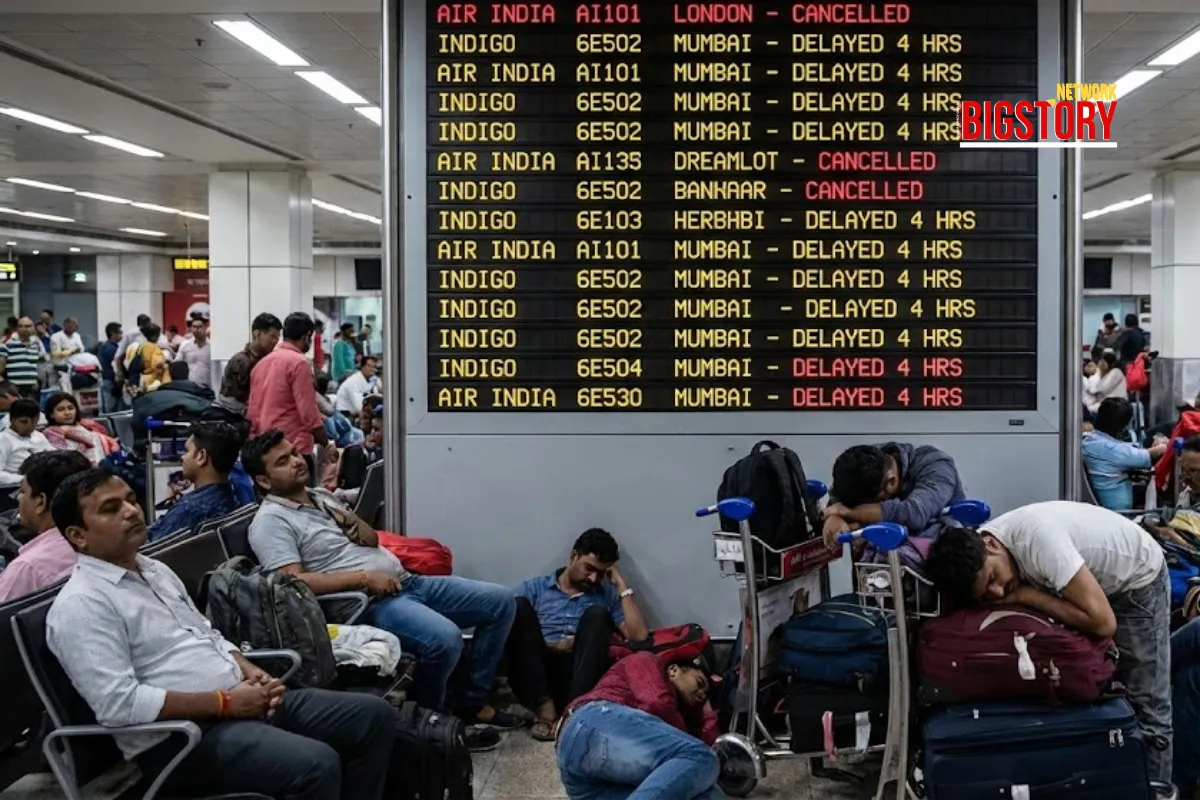
Dense winter fog continues to paralyze operations at Delhi's Indira Gandhi International Airport, forcing the cancellation of another 27 flights—16 departures and 11 arrivals—on December 18, 2025. The disruption comes amid a week-long crisis that has seen over 500 flights grounded or delayed since December 14. With visibility dropping to between 100 and 250 meters, airport authorities have activated CAT-III instrument landing protocols. However, the persistent chaos raises a critical question: why does India’s busiest airport, equipped with advanced anti-fog technology, still succumb to seasonal paralysis?
The cancellations are part of an annual pattern within the "fog window" designated by the IMD (December 10–February 10). Earlier this week, pollution-thickened smog reduced visibility to zero for seven hours, triggering a cascade of delays that the system has yet to recover from. While Delhi Airport boasts CAT-IIIB landing systems capable of guiding aircraft in visibility as low as 50 meters, operational reality tells a different story. Construction cranes near one runway have compromised its signal, reducing the airport's effective low-visibility capacity by nearly half. Coupled with an Air Quality Index (AQI) of 361, the fog has become a dense, impenetrable smog that defies standard weather models.
While headlines track the cancellation count, the deeper story is the "Technology Illusion." We are sold the narrative that CAT-III technology solves fog. It doesn't. It merely allows landings; it does not help aircraft take off (which requires much higher visibility of 125m+), creating a massive bottleneck on the ground. Furthermore, the "Act of God" clause in aviation regulations means passengers stranded by this predictable seasonal event are entitled to refunds but zero compensation for the chaos. This regulatory loophole allows the industry to operate reactively every winter without financial penalty, treating passenger misery as a cost of doing business.
The disruption cascades far beyond Delhi. A cancellation in the capital strands a crew meant to fly from Mumbai or Bengaluru, creating a ripple effect across the national network. With the holiday season peak approaching, the lack of system redundancy—like a functional fourth runway or proactive crew pre-positioning—threatens to turn December travel into a lottery. Until infrastructure planning aligns with weather reality, the "fog pass" will remain a yearly feature of Indian aviation.
If fog in December is as predictable as the monsoon in July, why is the aviation sector still surprised when it arrives?
Why were 27 flights cancelled at Delhi airport on December 18, 2025? Dense fog reduced visibility to between 100-250 meters, forcing the airport to operate under CAT-III protocols. The cancellations were a mix of proactive measures to prevent cascading delays and the inability of some aircraft or pilots to operate in such low visibility conditions.
What is CAT-III and why didn't it prevent flight cancellations? CAT-III is an advanced instrument landing system that allows planes to land in very low visibility (down to 50m). However, it doesn't prevent cancellations because not all pilots are trained for it, not all aircraft are equipped, and take-offs still require higher visibility (125m+), creating a bottleneck for departures.
How long will fog disrupt Delhi airport operations? The IMD forecasts that dense fog conditions will persist across Northern India through December 22, 2025, particularly in the early morning hours. Travelers are advised to check flight status before heading to the airport.
What are my rights if my flight is cancelled due to weather? Under DGCA rules, weather-related cancellations are considered an "Act of God." Airlines are required to provide a full refund or an alternative flight, but they are not obligated to provide cash compensation for the inconvenience or cover hotel costs unless the delay exceeds 24 hours (policy varies by airline).
News Coverage
Research & Analysis
 Exclusive Content


Sign up for the Daily newsletter to get your biggest stories, handpicked for you each day.



 Trending Now! in last 24hrs