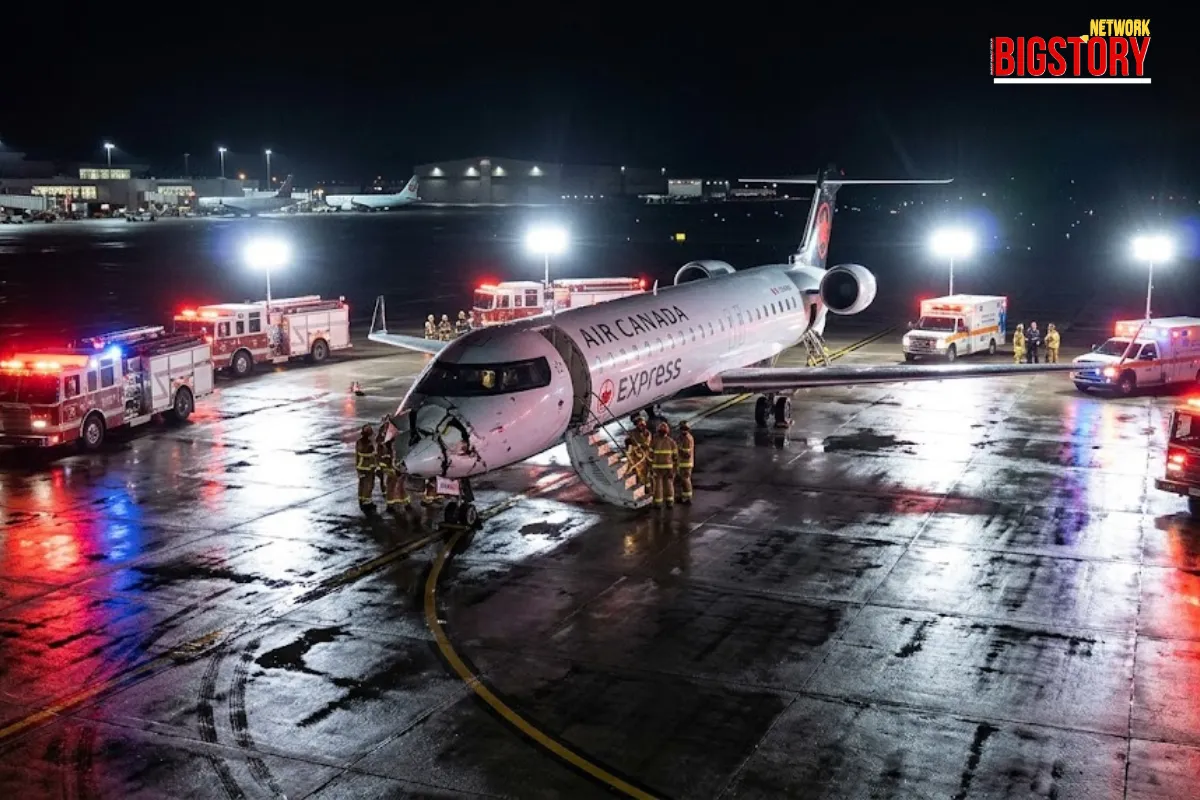
"Civil Aviation Minister K. Rammohan Naidu warns IndiGo of 'very strict action' after 4,500 flight cancellations. Govt orders immediate refunds and caps airfares."
 Brajesh Mishra
Union Civil Aviation Minister K. Rammohan Naidu issued a stern warning in the Rajya Sabha today, pledging "very, very strict action" against IndiGo for what he termed an "unacceptable fiasco." The government has initiated a formal inquiry into the operational collapse that saw over 4,500 flights cancelled between December 2 and 8. The Directorate General of Civil Aviation (DGCA) has served a show-cause notice to CEO Pieter Elbers, demanding an explanation for the breakdown that has stranded over 5.8 lakh passengers during India’s peak winter wedding and holiday season.
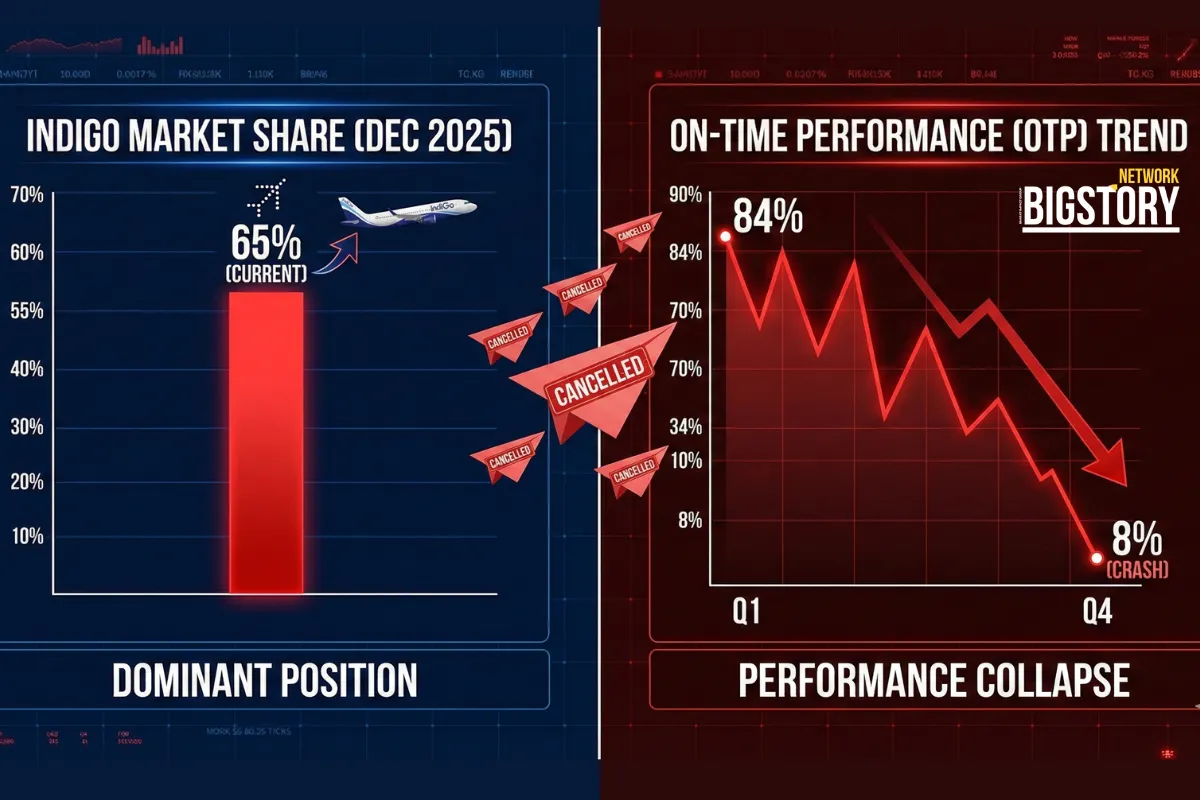
The crisis was triggered by the full implementation of revised Flight Duty Time Limitations (FDTL) rules on November 1, 2025. These guidelines, mandated by a High Court order to reduce pilot fatigue, increased weekly rest periods to 48 hours and capped night landings. Despite eighteen months of notice, IndiGo maintained a hiring freeze, leaving it unable to roster enough crew. By December 4, the airline's on-time performance had plummeted to an unprecedented 8.5%. In an emergency bid to stabilize operations, the government has temporarily suspended specific FDTL norms for the carrier until February 10, 2026.
While headlines focus on "cancellations," the deeper story is the "Duopoly Fragility Trap." With IndiGo controlling 65% of the market and Air India another 26%, India's sky has no "spare tires." This isn't just about a pilot roster error; it's a structural warning that India's aviation market is "too concentrated to operate reliably." The Minister’s talk of "strict action" acts as a performance to hide the regulatory failure of allowing such massive concentration without contingency plans. Until new entrants like Akasa Air scale up, India remains one corporate planning error away from total transport paralysis.
The ₹610 crore in automatic refunds mandated by the ministry sets a massive new financial liability precedent for Indian carriers. Furthermore, the fare caps reimposed by the government—ranging from ₹7,500 to ₹18,000 based on flight distance—signal the end of free-market pricing during operational crises. Expect the DGCA to impose mandatory pilot-to-plane staffing ratios going forward, potentially driving up long-term airfares to cover the cost of a deeper pilot pipeline.
If the government can suspend safety rules to keep planes in the sky, are those rules protecting the passengers or the national transport math?
Why is the Aviation Minister warning IndiGo?
Civil Aviation Minister K. Rammohan Naidu vowed "very strict action" after IndiGo cancelled 4,500+ flights in early December, blaming the airline for "internal crew mismanagement" despite 18 months of warning regarding new safety norms.
What are the airfare caps during the IndiGo crisis?
The Ministry has capped fares: short routes (<500km) at ₹7,500, mid-range (500-1000km) at ₹12,000, long-haul (1000-1500km) at ₹15,000, and ultra-long (>1500km) at ₹18,000 to prevent exploitation during the chaos.
What are the FDTL rules causing pilot shortages?
Flight Duty Time Limitations (FDTL) cap work hours and mandate rest. The 2025 rules increased pilot rest from 36 to 48 hours. IndiGo's lack of sufficient hiring to cover this rest gap triggered the cancellations.
 Exclusive Content


Sign up for the Daily newsletter to get your biggest stories, handpicked for you each day.

 Trending Now! in last 24hrs