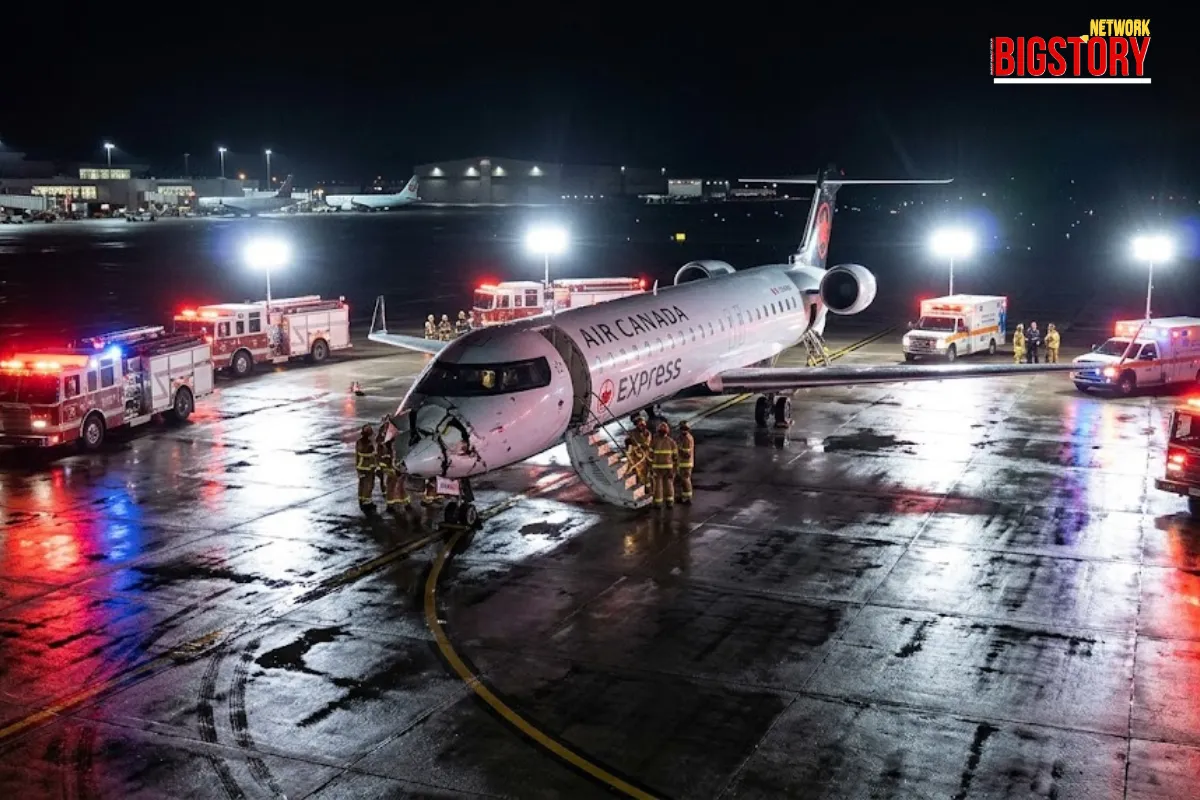
The PMO has intervened in the IndiGo crisis after 4,200 flight cancellations stranded lakhs. Aviation Minister Naidu warns of strict action amid FDTL failures.
 Brajesh Mishra
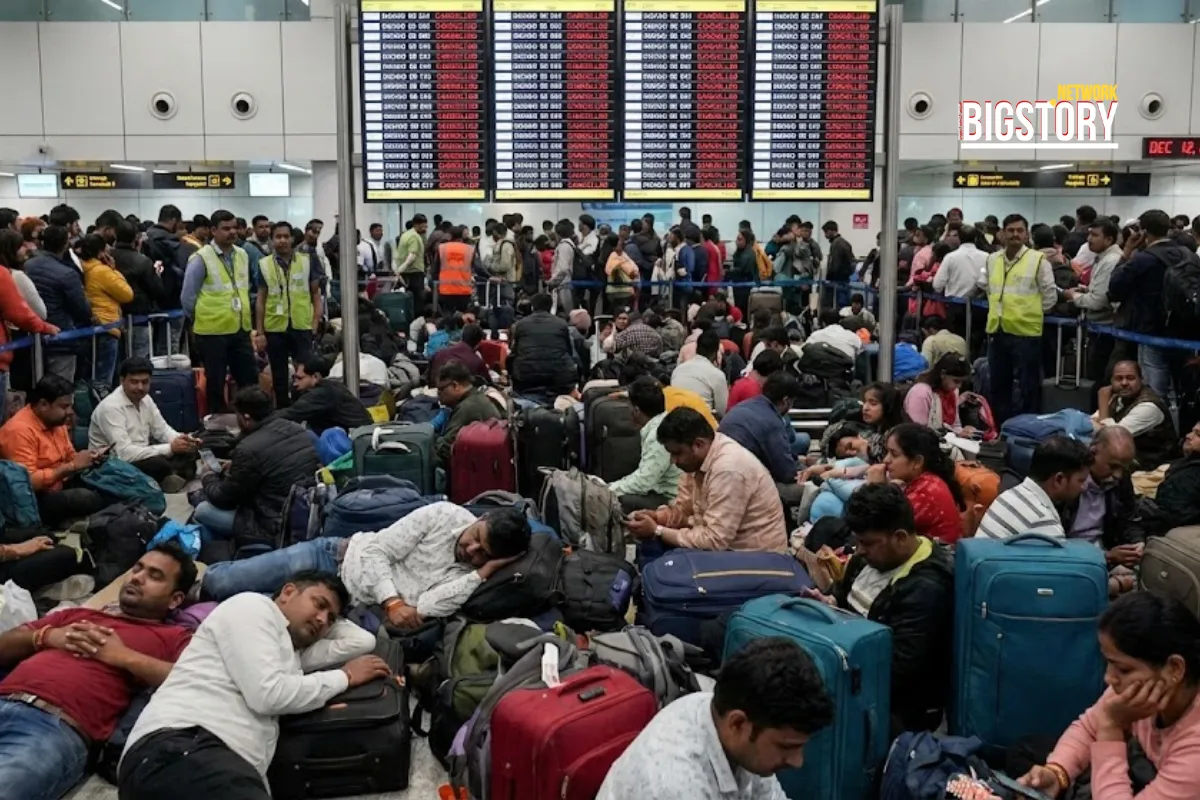
Union Civil Aviation Minister K. Rammohan Naidu issued a stern warning to IndiGo today, stating the government will take "very, very strict action" to set an industry precedent after the airline cancelled over 4,500 flights in just seven days. The operational meltdown, which began on December 2, has stranded an estimated 5.8 lakh passengers across India during the peak wedding season. The Directorate General of Civil Aviation (DGCA) has issued a show-cause notice to CEO Pieter Elbers, demanding an explanation for the "unprecedented disruptions" linked to the airline's failure to manage new pilot fatigue rules.
The crisis stems from the implementation of revised Flight Duty Time Limitations (FDTL) on November 1, which increased mandatory pilot rest periods from 36 to 48 hours. Despite an 18-month lead time, IndiGo reportedly maintained a hiring freeze, leading to a critical crew shortage when the rules took effect. While other airlines adapted, IndiGo's schedule collapsed, with on-time performance plummeting to 8.5% on December 4. The government has now temporarily suspended the FDTL norms for IndiGo until February 10, 2026, to stabilize operations, but the damage to consumer trust is severe.
While the headlines focus on the "cancellations," the deeper story is the "Duopoly Time Bomb." With IndiGo controlling 65% of the market and Air India holding 26%, India's aviation sector has become dangerously consolidated. When one player fails, the entire national network paralyses because there is no spare capacity. This crisis isn't just about pilot rosters; it's a systemic failure of a market structure where "too big to fail" has become "too big to fly." The government's intervention with fare caps and refunds is a band-aid; the real cure requires fostering genuine competition to prevent a single corporate error from becoming a national emergency.
This incident will likely accelerate regulatory reforms. The DGCA may impose stricter oversight on airline staffing ratios before approving seasonal schedules. For passengers, the era of cheap, reliable flight is pausing; travellers can expect higher fares and uncertainty until the pilot pipeline stabilizes. The temporary FDTL waiver sets a controversial precedent—safety rules can be bent if the disruption is big enough—which pilot unions argue compromises the very safety the rules were meant to ensure.
If safety rules can be suspended because an airline didn't hire enough staff, are the rules protecting the passengers, or the profit margins?
What caused Indigo's 4,200 flight cancellations in December 2025? The cancellations were caused by a combination of factors: the bankruptcy of wet-lease partner SmartLynx, a failure to hire enough pilots to meet new FDTL safety rules, and technical glitches in the crew scheduling system during the peak winter season.
Why did the PMO intervene in the IndiGo crisis? The Prime Minister's Office intervened due to the scale of the disruption—affecting over 5.8 lakh passengers—and the bad optics during Russian President Putin's visit. The government aimed to prevent a complete collapse of national connectivity.
Is Indigo being punished? What penalties are coming? The DGCA has issued a show-cause notice to the CEO. The Aviation Minister has promised "strict action," which could include fines and schedule reductions. The government has already mandated full refunds and capped airfares to protect consumers.
Did Indigo deliberately engineer this crisis? Some analysts and pilot unions allege that the airline may have allowed the crisis to escalate to pressure the government into rolling back the strict FDTL norms, though the airline denies this and attributes it to internal planning failures.
News Coverage
Research & Analysis
 Exclusive Content


Sign up for the Daily newsletter to get your biggest stories, handpicked for you each day.

 Trending Now! in last 24hrs