
Amsterdam's 154-year-old Vondelkerk church was destroyed by fire on Jan 1, 2026. Fireworks suspected. Spire collapsed. Read the full report.
 Sseema Giill
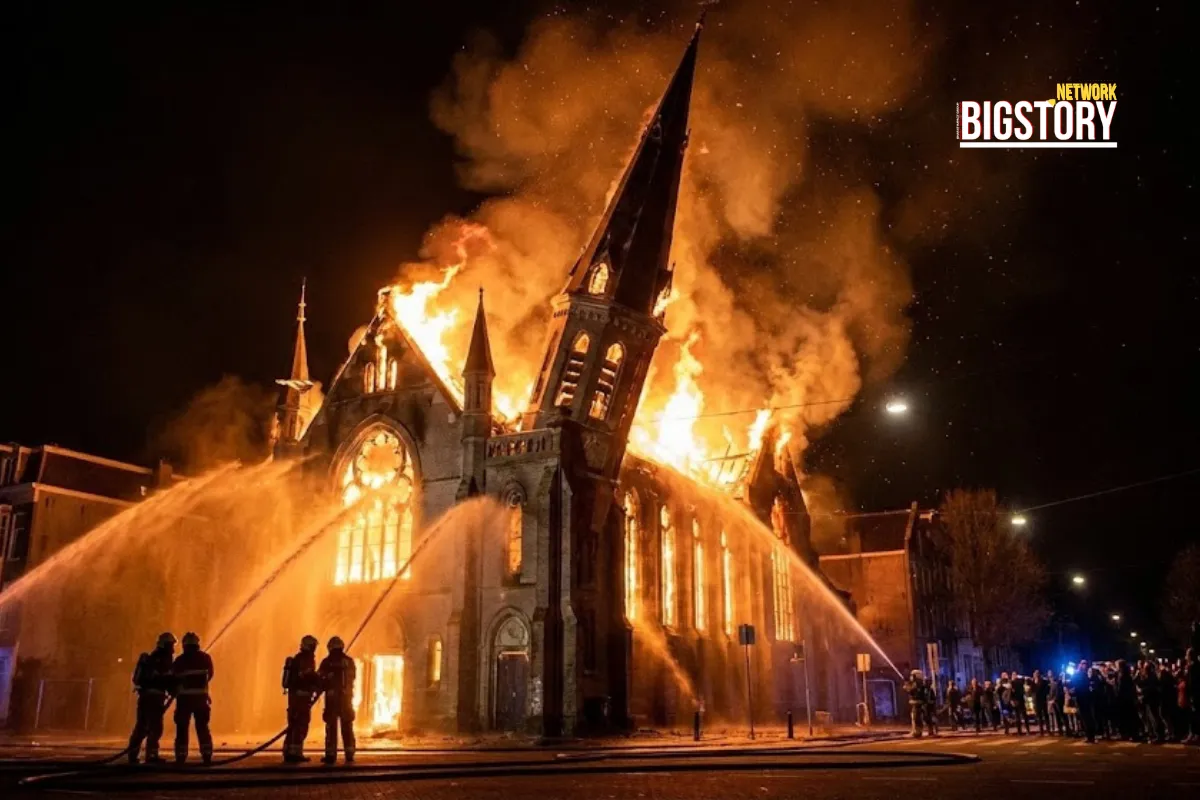
Amsterdam’s skyline lost a 154-year-old jewel in the first hours of 2026. Around 12:45 AM on New Year's Day, a fire erupted at the iconic Vondelkerk Church, tearing through its wooden roof and causing its 50-meter neo-Gothic spire to collapse into the nave. By morning, authorities declared the building—a masterpiece by Pierre Cuypers, architect of the Rijksmuseum—unsalvageable. While no lives were lost, the destruction of this heritage site has triggered immediate outrage, as the fire coincided with a chaotic night of New Year's celebrations, leading to widespread speculation that stray fireworks were the cause.
The tragedy unfolded against a backdrop of nationwide pyrotechnic chaos. New Year's Eve in the Netherlands is notoriously volatile, and this year was no different, with reports of "unprecedented" fireworks violence and two deaths elsewhere in the country. The Vondelkerk, located near the popular Vondelpark, was vulnerable. Its intricate wooden interior, dating back to 1872, acted as kindling. Ironically, the spire had been destroyed by lightning in 1904 and painstakingly rebuilt; 122 years later, it fell again—this time, likely due to human revelry. The fire response was massive (GRIP 2 level), involving regional teams, but the blaze was too intense to save the structure.
While mainstream coverage focuses on the "Tragic Loss," the deeper story is the "Regulatory Failure." Why did it take burning down a national monument to expose the danger of consumer fireworks? The Netherlands has debated a ban for years, yet delays allowed this New Year's Eve to proceed with lethal consequences. This wasn't an act of God; it was a policy choice to prioritize tradition over safety.
Furthermore, the "Heritage Vulnerability" angle is critical. Amsterdam is a city of wood and history. The Vondelkerk’s destruction reveals a terrifying reality: hundreds of other 19th-century buildings are essentially tinderboxes without modern fire suppression systems like thermal detection or automated sprinklers. The Vondelkerk is a warning: without systemic upgrades, the rest of the city’s historic fabric is one stray rocket away from ash.
This disaster will likely accelerate the nationwide fireworks ban, potentially turning public opinion decisively against consumer pyrotechnics. It also forces a reckoning for heritage preservation: insurance premiums for historic buildings may skyrocket, and the city may be forced to mandate retrofitting fire safety tech in all listed monuments, regardless of cost.
If we can’t protect a 154-year-old masterpiece from a €10 firework, what is the value of our heritage protection laws?
What caused the Vondelkerk fire on January 1, 2026? The official cause is under investigation, but speculation heavily points to stray fireworks from New Year's Eve celebrations. The fire broke out shortly after midnight during peak revelry. Authorities have warned the investigation could take weeks.
Can the Vondelkerk church be rebuilt or restored? Emergency services and heritage custodians have stated the building "cannot be saved" in its original form. The roof and interior are destroyed, and the spire collapsed. Only the exterior stone walls remain, making a full restoration unlikely without a massive reconstruction effort.
Did anyone die in the Vondelkerk fire? No. Fortunately, the church was unoccupied at the time of the fire (around 12:45 AM). While the blaze was intense and required the evacuation of roughly 90 nearby homes, no casualties were reported.
News Coverage
Context & Background
 Exclusive Content


Sign up for the Daily newsletter to get your biggest stories, handpicked for you each day.



 Trending Now! in last 24hrs


