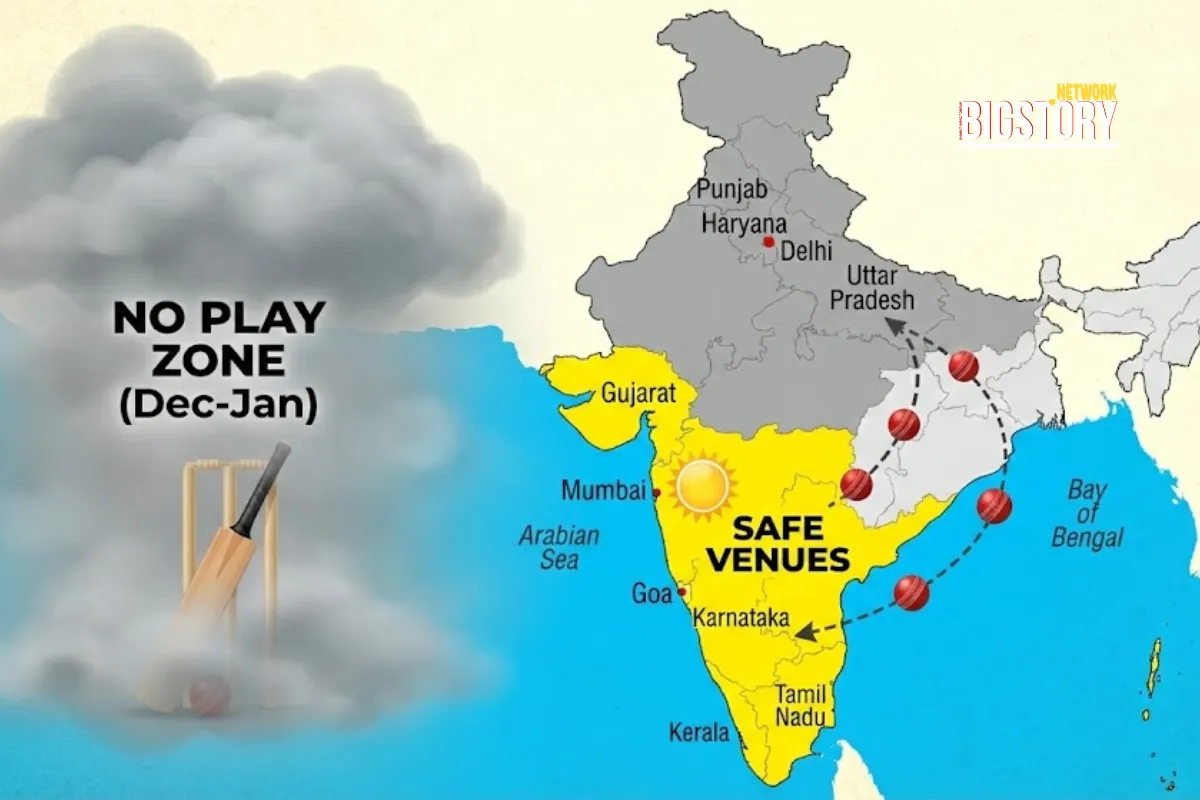
BCCI declares "emergency" after fog ruins the 4th T20I in Lucknow. Board mulls shifting Dec-Jan matches from North to South India to avoid washouts.
 Brajesh Mishra
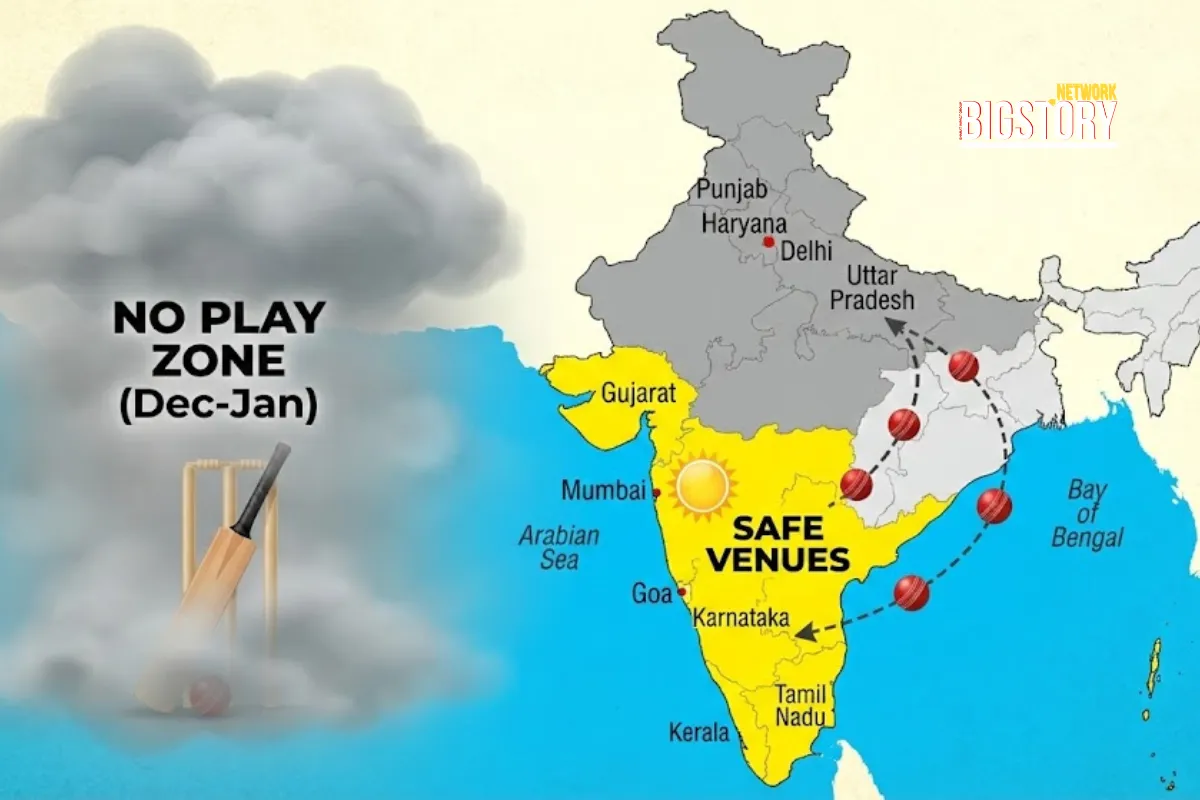
The Board of Control for Cricket in India (BCCI) has hit the panic button. Following the abandonment of the 4th T20I between India and South Africa in Lucknow on December 17 without a ball being bowled, BCCI Vice-President Rajeev Shukla termed the situation an "emergency." The board is now launching an urgent review to potentially ban international and domestic fixtures in North India during the peak winter window of December 15 to January 15. The move comes as thick smog and near-zero visibility exposed the vulnerability of scheduling high-stakes games in the Indo-Gangetic plains during pollution season.
The Lucknow fiasco wasn't an isolated incident but a tipping point. Despite floodlights, the "thick grey smog" made play dangerous, forcing officials to call off the match after six inspections. This scheduling oversight has drawn sharp criticism, with politicians like Shashi Tharoor inviting the board to "Come to Kerala" instead of "cheating cricket lovers" in the fog-bound North. The crisis now threatens the upcoming Vijay Hazare Trophy, set to begin on December 24, with several matches slated for high-risk venues like Jaipur.
While headlines blame "fog," the deeper story is the "Pollution Blindspot." The BCCI treats smog like rain—an act of God—when it is actually a predictable annual environmental crisis. Playing professional athletes in AQI 400+ conditions is a health liability that the board has ignored for years. This incident forces the conversation beyond "visibility" to "viability." It’s time for the BCCI to adopt "Air Quality Protocols" similar to heat protocols in Australia, using data-driven zoning rather than rotational fairness to decide venues. The failure here isn't meteorological; it's a failure of utilizing hyper-local climate data to optimize the calendar.
If implemented, a "Winter Blackout" for North India would fundamentally restructure the domestic season. The Ranji Trophy and Vijay Hazare Trophy formats may need to be split or permanently relocated during winter, impacting local associations in Delhi, Punjab, and UP who rely on these matches for revenue. For fans in the North, it means the end of winter cricket festivals, a cultural staple now choked out by the region's environmental reality.
If we have the technology to predict smog weeks in advance, why is the world's richest cricket board still scheduling matches by looking at a calendar instead of a climate model?
Why was the India vs South Africa 4th T20I in Lucknow abandoned? The match was abandoned without a ball being bowled due to dense fog and smog, which reduced visibility to unsafe levels despite the use of floodlights. Officials deemed conditions dangerous for players.
Will BCCI stop hosting cricket matches in North India during winter? Yes, BCCI Vice-President Rajeev Shukla stated that the board is treating this as an "emergency" and will review the scheduling policy. It is likely that international and major domestic matches scheduled between December 15 and January 15 will be shifted to venues in West or South India.
What changes are expected in the Ranji Trophy and Vijay Hazare Trophy schedule 2025? With the Vijay Hazare Trophy set to begin on December 24, 2025, there is a high probability that matches currently scheduled for North Indian venues like Jaipur, Delhi, and Chandigarh will be relocated to avoid similar weather-related disruptions.
Who criticized the BCCI's scheduling? Congress MP Shashi Tharoor was a prominent critic, urging the BCCI to stop scheduling matches in the fog-prone North during winter and inviting them to host games in Kerala instead to avoid "cheating cricket lovers."
Sources
News Coverage
Research & Analysis
 Exclusive Content


Sign up for the Daily newsletter to get your biggest stories, handpicked for you each day.

 Trending Now! in last 24hrs