
The US has approved a $686 million upgrade for Pakistan's F-16s, including Link-16 data links. The deal extends the fleet's life to 2040.
 Sseema Giill
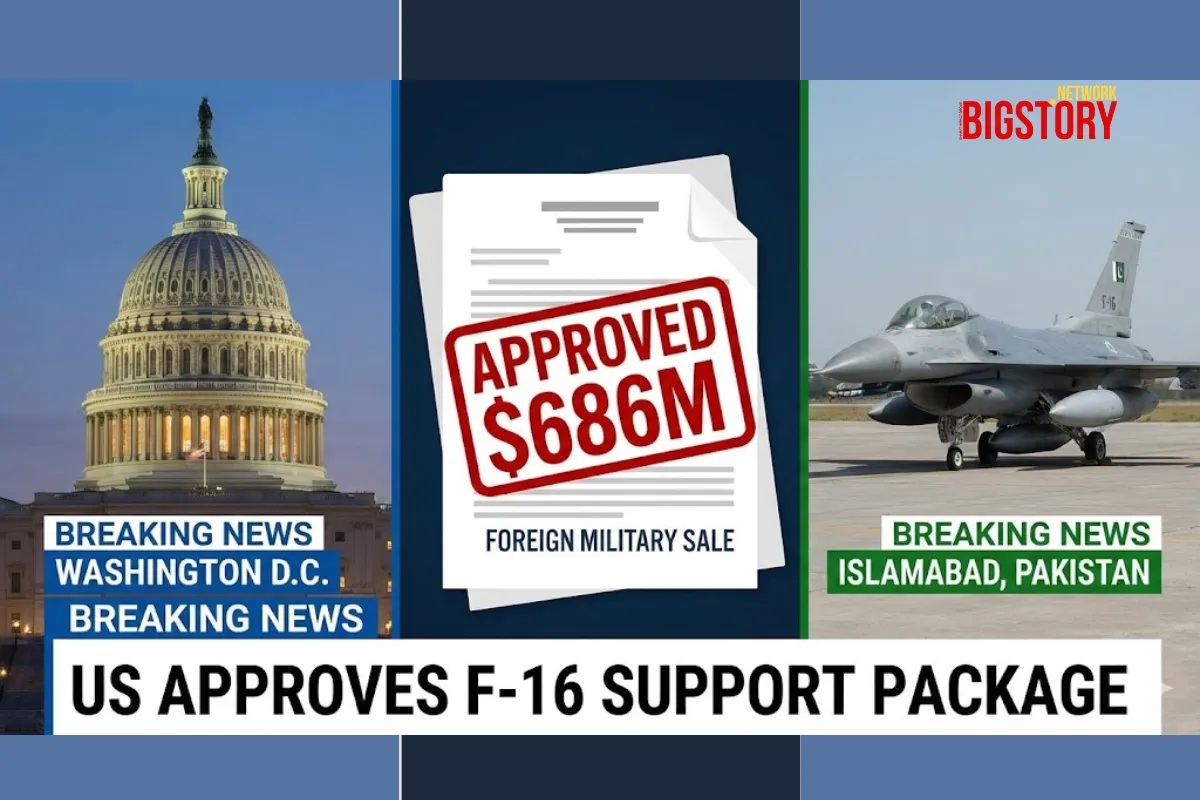
The United States has approved a significant $686 million military sale to Pakistan for the modernization of its F-16 fighter fleet. The Defense Security Cooperation Agency (DSCA) notified Congress on December 8, 2025, clearing a package focused on technological sustainment and upgrades. While official statements frame the deal as support for a "major non-NATO ally" in counter-terrorism efforts, the inclusion of advanced tactical data links comes just months after Pakistan's air force reportedly struggled against Indian Rafales during the brief Operation Sindoor conflict in May.
Pakistan's request for these upgrades dates back to 2021 but was stalled by diplomatic friction. The urgency renewed after the May 2025 skirmish, where analysts noted that Pakistan's older AIM-120C-5 missiles and avionics were outmatched by modern Indian platforms. Although rumors circulated about a purchase of new AIM-120D missiles, the approved package prioritizes the digital backbone of the fleet. This move by the Trump administration mirrors a similar 2022 sustainment deal but is significantly larger in value and technological scope.
While headlines focus on "maintenance," the deeper story is the "Network Warfare Upgrade." The standout item in this package is the provision of 92 Link-16 multifunction information distribution systems. Link-16 is a game-changer: it allows jets to share real-time target data securely, creating a "hive mind" in the sky that is resistant to jamming. Terrorists in tribal areas do not have electronic warfare capabilities; state militaries do. By selling this specific tech, the US is quietly restoring Pakistan's conventional air combat parity, ensuring the F-16 remains a viable dogfighter well into the 2030s.
Strategically, this deal acts as a "geopolitical leash." By extending the fleet's life to 2040, Washington ensures Islamabad cannot simply scrap its American jets for Chinese J-10Cs overnight. It keeps the US military-industrial complex embedded in Pakistan's defense architecture. For India, it signals that despite the deepening US-India partnership, Washington is not willing to abandon its leverage in Pakistan entirely, maintaining a balance of power in South Asia that keeps both nuclear neighbors dependent on American technology.
If the US is arming one ally to fight terrorists, why does it need the technology designed to fight another ally?
What is included in the 2025 US F-16 package for Pakistan? The $686 million package includes 92 Link-16 Multifunctional Information Distribution System (MIDS-JTRS) terminals, cryptographic devices, avionics software support, and structural life-extension services. It does not include new fighter jets.
What is Link-16 technology? Link-16 is a secure, jam-resistant tactical data link network used by NATO and allied nations. It allows military aircraft, ships, and ground forces to exchange real-time situational awareness data (like target locations) securely, which is critical for modern air combat.
Did the US sell new F-16s to Pakistan in 2025? No. The December 2025 notification is for a sustainment and modernization package for the existing F-16 fleet, designed to keep the current aircraft operational and technologically relevant until 2040.
Why does Pakistan need this upgrade? Pakistan's F-16 fleet was facing avionics obsolescence and lacked secure networking capabilities compared to modern standards. The upgrade addresses these gaps, reportedly motivated by performance issues noted during the May 2025 Operation Sindoor conflict.
Sources
News Coverage
Research & Analysis
 Exclusive Content


Sign up for the Daily newsletter to get your biggest stories, handpicked for you each day.



 Trending Now! in last 24hrs


