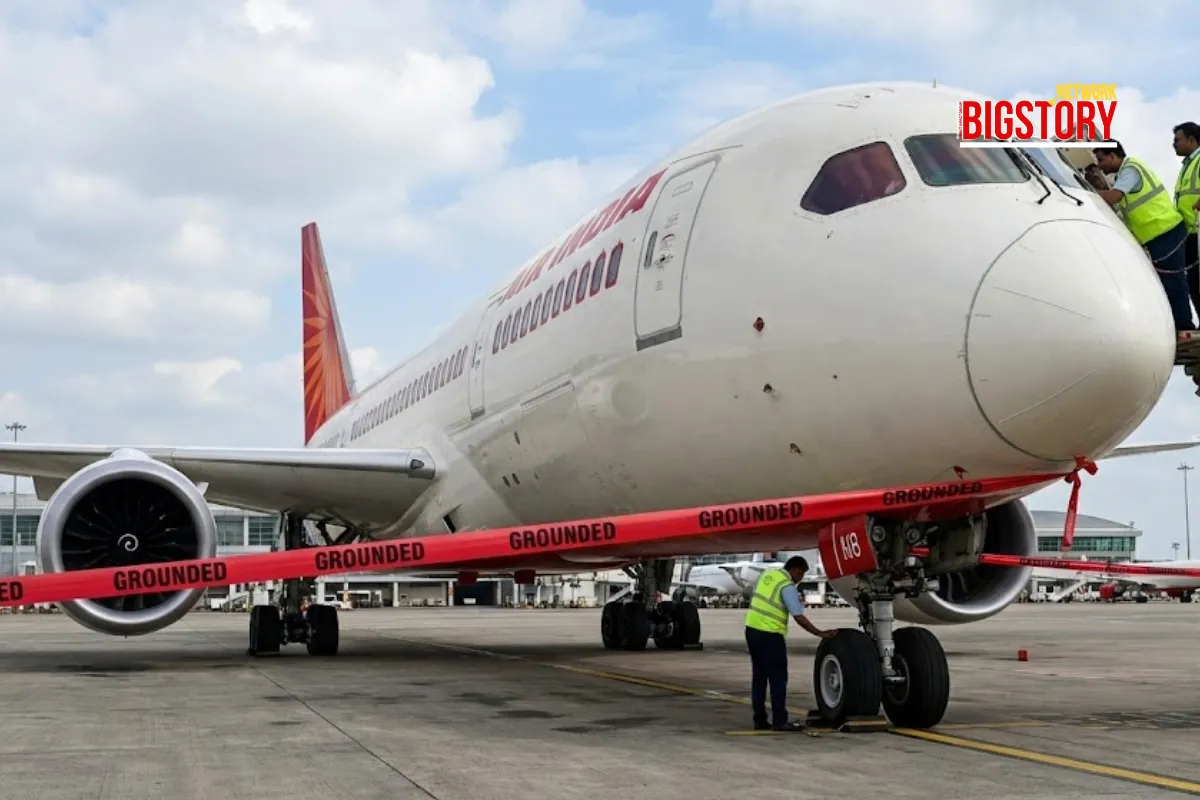
Air India grounds Dreamliner VT-ANX (Feb 2, 2026) due to the same fuel switch defect that caused the fatal AI 171 crash. Fleet safety under scrutiny.
 Brajesh Mishra
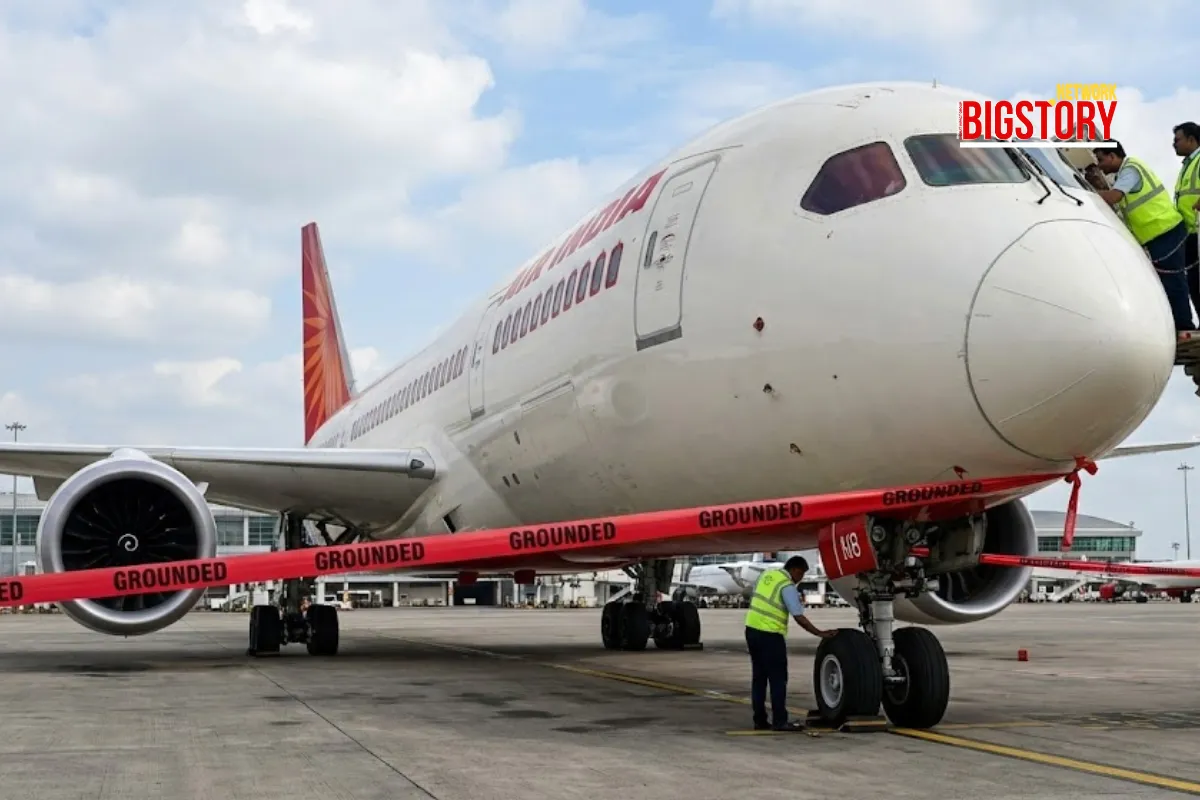
Air India grounded one of its Boeing 787-8 Dreamliners (VT-ANX) today immediately after it landed in Bengaluru from London (Flight AI 132). The grounding was triggered by a chilling pilot report: the Left Engine Fuel Control Switch failed to lock in the "RUN" position during engine start, slipping automatically to "CUTOFF" twice.
This is not a random snag. It is the exact same mechanical failure blamed for the catastrophic crash of Air India Flight AI 171 in Ahmedabad last June, which claimed 260 lives. The recurrence of this specific defect on the same airline and aircraft type—despite a "fleet-wide inspection" certified by the DGCA in July 2025—has triggered an emergency probe and fears of a systemic cover-up regarding defective parts (Part No. 4TL837-3D).
While the media focuses on "Air India's Maintenance," the deeper issue is a failure of Predictive Tech.
If a pilot in London had to try twice to get the fuel switch to lock before flying 9 hours to Bengaluru, why was the plane allowed to take off at all?
1. Is the Air India Dreamliner unsafe to fly? The specific aircraft VT-ANX has been grounded. However, the recurring nature of the fuel switch defect (the same one that caused the AI 171 crash) raises serious questions about the rest of the Boeing 787 fleet. Travelers should remain vigilant for further DGCA announcements.
2. What exactly happened on flight AI 132? The pilot reported that during engine start (likely in London), the fuel control switch for the left engine would not stay in the "RUN" position and snapped back to "CUTOFF." This cuts fuel to the engine. The pilot eventually managed to engage it, but the defect was severe enough to ground the plane upon landing.
3. Did the engine fail mid-air? No. The malfunction was noted during the start sequence on the ground. There are no reports of the engine shutting down mid-flight on this specific trip, unlike the tragic AI 171 crash.
4. Why wasn't this fixed after the Ahmedabad crash? Air India claimed to have inspected all switches in July 2025. Today's incident suggests those inspections might have missed "soft failures" (switches that are loose but haven't failed yet) or that the parts degrade faster than expected.
News Coverage
 Exclusive Content


Sign up for the Daily newsletter to get your biggest stories, handpicked for you each day.



 Trending Now! in last 24hrs