
7 arrested for lynching Hindu man Dipu Chandra Das in Bangladesh. Yunus vows justice, but stats show only 3% of 2,400+ communal attacks have been prosecuted.
 Brajesh Mishra
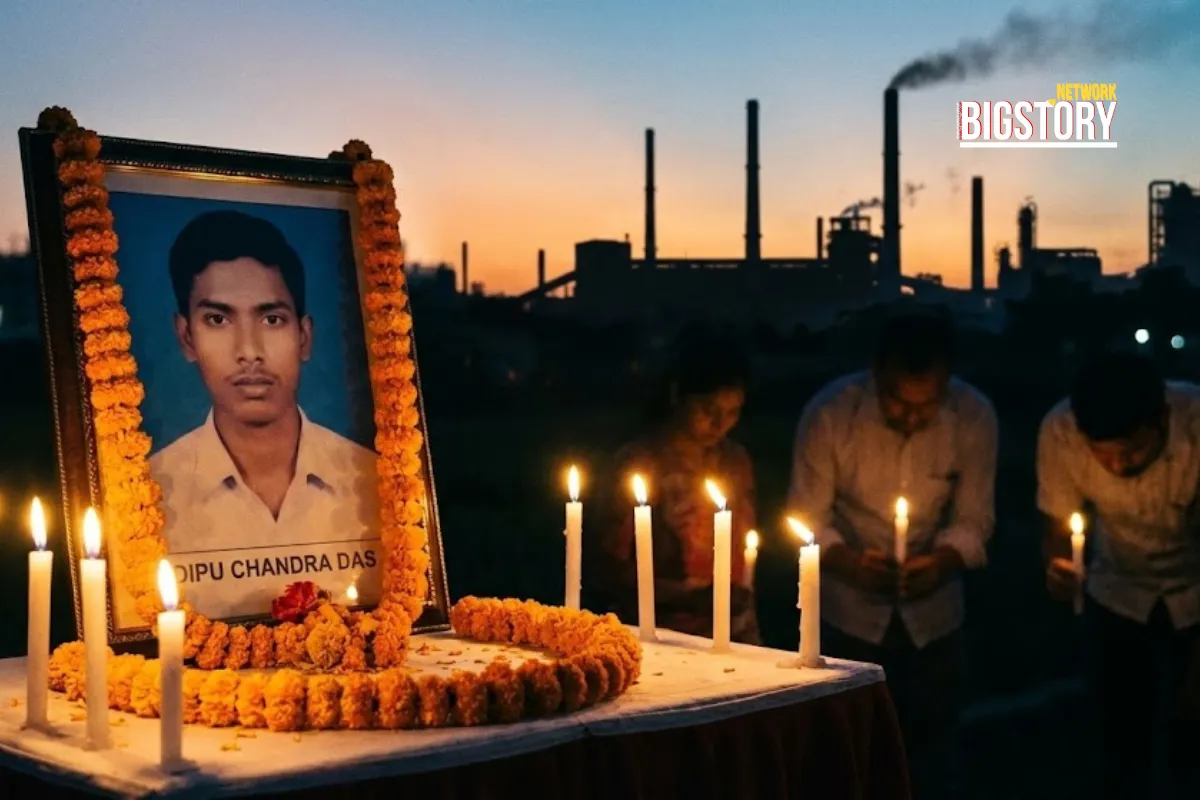
In a move aimed at quelling rising international and domestic outrage, Bangladesh's interim government announced the arrest of seven suspects today, December 20, 2025, in connection with the brutal mob lynching of Dipu Chandra Das. The 27-year-old Hindu factory worker was beaten and burned to death in Mymensingh on December 18 over allegations of blasphemy. Chief Adviser Muhammad Yunus condemned the act, stating "no one will be spared," but the arrests come amidst a volatile backdrop: the death of student leader Sharif Osman Hadi has triggered nationwide unrest, creating a vacuum of law and order that radical elements are exploiting to target minorities.
Since the fall of Sheikh Hasina in August 2024, Bangladesh has witnessed a systematic pattern of violence against minorities. The Bangladesh Hindu Buddhist Christian Unity Council has documented 2,442 incidents—including murders, sexual assaults, and temple desecrations—in the last 11 months. However, the government's response has been sluggish at best. Prior to today, only 88 cases were officially acknowledged, and just 70 arrests made, resulting in a prosecution rate of roughly 3%. The lynching of Dipu Chandra Das is not an isolated tragedy but the latest flashpoint in a prolonged crisis of impunity.
While headlines focus on the arrests, the deeper story is the "Blasphemy Trap." The accusation of blasphemy has become a lethal weapon in Bangladesh's social conflict, used to instantly mobilize mobs and bypass the judicial system. This mechanism of "accusation as execution" terrorizes communities and renders state protection ineffective. Furthermore, the "3% Justice Gap" reveals a systemic failure. Arresting seven people in one high-visibility case while thousands of other assaults go unpunished creates an illusion of justice—a "theater of accountability" designed for international consumption rather than domestic safety.
The arrests may temporarily lower the temperature, but they do not fix the broken thermostat. Unless the interim government prosecutes the thousands of pending cases and dismantles the networks that weaponize blasphemy allegations, the cycle of violence will continue. For India, this incident is another diplomatic red flag, testing the patience of New Delhi as it watches the safety of Hindus in Bangladesh deteriorate despite assurances.
If justice is served only when the world is watching, is the system protecting its citizens, or just its reputation?
Who was Dipu Chandra Das and why was he killed? Dipu Chandra Das was a 27-year-old Hindu factory worker in Mymensingh, Bangladesh. On December 18, 2025, he was beaten and burned to death by a mob following an allegation of blasphemy, amidst a backdrop of nationwide political unrest.
How many people were arrested for killing Dipu Chandra Das? The Bangladesh authorities, specifically the Rapid Action Battalion (RAB), have arrested seven suspects in connection with the lynching as of December 20, 2025.
Is this the first Hindu killing in Bangladesh recently? No. According to the Bangladesh Hindu Buddhist Christian Unity Council, there have been over 2,442 documented incidents of communal violence, including murders and assaults, between August 2024 and June 2025.
What is the prosecution rate for communal violence in Bangladesh? Despite thousands of documented incidents, the interim government has officially acknowledged far fewer cases. Prior to the latest arrests, reports indicate only about 70 arrests had been made in relation to over 2,000 incidents, resulting in a prosecution rate of roughly 3%.
News Coverage
Data & Context
 Exclusive Content


Sign up for the Daily newsletter to get your biggest stories, handpicked for you each day.


 Trending Now! in last 24hrs


