
Iran invokes "Moharebeh" (War Against God) to fast-track executions. Erfan Soltani sentenced to death. Death toll hits 3,428. Analysis of the legal crackdown.
 Sseema Giill
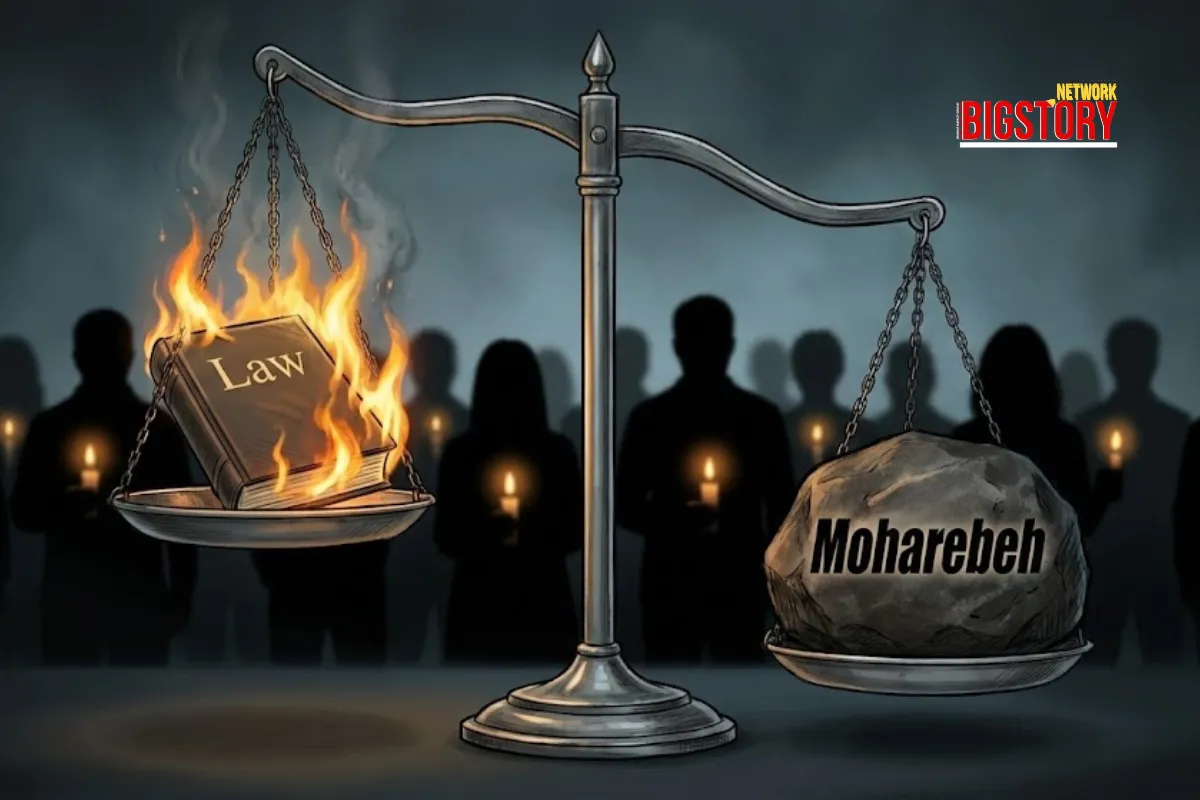
In a drastic escalation today, January 15, 2026, Iranian Judiciary Chief Gholamhossein Mohseni-Ejei ordered "fast-track trials" for arrested protesters, explicitly invoking the Sharia capital charge of Moharebeh ("Waging War Against God"). This legal maneuver allows the regime to bypass standard appeals and execute detainees within days.
The policy is already claiming its first potential victim. Erfan Soltani, a 26-year-old protester arrested in Karaj, was sentenced to death just four days after his arrest. While international pressure has reportedly forced a temporary postponement of his hanging as of this morning, his case serves as a chilling warning to the thousands still on the streets.
While media coverage focuses on the brutality of the shootings, the real story is the weaponization of theology.
By invoking Moharebeh, the regime is not just speeding up trials; it is setting a "Theological Trap" for its own security forces.
The shift from "policing" a protest to "waging war" against citizens creates a dangerous irreversibility.
If a government claims to represent the divine, but must declare war on its own citizens to survive, has it lost not just its legitimacy, but its faith?
1. What does the charge 'Moharebeh' mean in Iran? It translates to "Waging War Against God" and is a capital offense under Iran's Islamic Sharia law. It is typically used to punish those accused of armed resistance, threatening public order, or opposing the Islamic Republic, carrying an automatic death sentence.
2. Who is Erfan Soltani? Erfan Soltani is a 26-year-old Iranian protester arrested in Karaj. He has become a symbol of the 2026 crackdown after being sentenced to death for Moharebeh in a "fast-track" trial, denied legal counsel, and granted only a 10-minute farewell with his family.
3. How many people have died in the Iran protests of 2026? As of mid-January 2026, human rights monitors (like IHRNGO) estimate the death toll at approximately 3,428, though verifiable numbers are difficult to confirm due to the ongoing internet blackout.
4. Has the US military intervened in the Iran protests? No. While President Trump has warned of "very strong action" and stated "help is on its way," there have been no confirmed US military strikes as of January 15.
5. Why are trials happening so quickly in Iran now? Judiciary Chief Gholamhossein Mohseni-Ejei has ordered "fast-track trials" to create a deterrent against further unrest. By categorizing dissent as a religious crime (Moharebeh), the state can bypass standard appeal processes and carry out executions within days of arrest.
News Coverage
Context & Analysis
 Exclusive Content


Sign up for the Daily newsletter to get your biggest stories, handpicked for you each day.


 Trending Now! in last 24hrs


