
TMC moves Supreme Court against Election Commission's "WhatsApp" governance and opaque algorithms deleting 25% of Bengal voters. Read the investigation.
 Brajesh Mishra
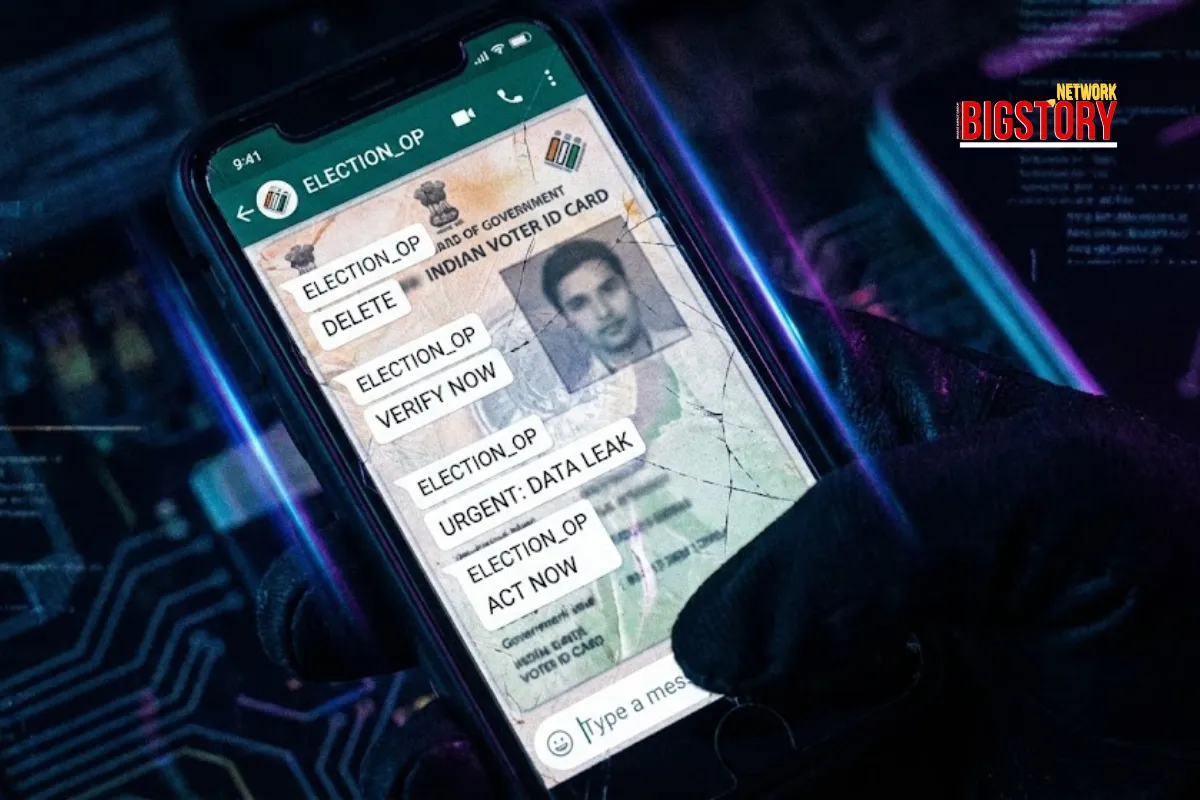
The battle for Bengal's 2026 election has moved from the polling booth to the Supreme Court. On January 6, Trinamool Congress (TMC) MP Derek O'Brien filed a blistering petition challenging the Election Commission of India's (ECI) "Special Intensive Revision" (SIR) of electoral rolls. The petition alleges a systemic breakdown of due process, claiming the ECI has replaced statutory procedures with a "WhatsApp Commission"—issuing over 100 critical instructions via informal messages that leave no audit trail. This legal escalation comes just 24 hours after Chief Minister Mamata Banerjee announced she would personally argue the case as a "common citizen," citing the deletion of nearly 25% of voters in the draft rolls—a rate four times higher than in neighboring Bihar.
The controversy began in June 2025 when the ECI launched the SIR to clean up voter lists nationwide. While routine in theory, the implementation in West Bengal has been explosive. The TMC alleges that the ECI is using a 2002 database as the baseline to verify 2025 voters—effectively disenfranchising a generation of citizens who have migrated, married, or changed addresses over 23 years. The draft rolls published in December 2025 showed massive deletions, particularly in TMC strongholds. The situation reached a breaking point when the ECI’s own memo on December 29 admitted that system-generated notices were "not accurate," yet the process continued unabated.
While mainstream media focuses on the "TMC vs. BJP" narrative, the deeper story is the "Black Box Democracy." The petition reveals that the fate of millions of voters is being decided by an undisclosed algorithm that flags "discrepancies" without explanation. If the software is indeed matching 2025 citizens against 2002 data, it is a data science nightmare guaranteed to produce false negatives. The lack of algorithmic transparency means no one—not the voters, not the parties, perhaps not even the ECI officials on the ground—knows exactly why a name is struck off.
Furthermore, the "WhatsApp Governance" allegation is a smoking gun for institutional decay. If critical electoral procedures are being directed via encrypted, deletable messages rather than official circulars, the entire chain of accountability is broken. It transforms a constitutional body into an opaque operation where orders can be issued and retracted without record, making judicial review nearly impossible.
If the Supreme Court does not intervene, the 2026 West Bengal election will be fought on a roll where 1 in 4 voters might be missing. This creates a "legitimacy trap": if the incumbent wins, the opposition claims the rolls were rigged; if the opposition wins, the incumbent claims their base was deleted. The integrity of the mandate is compromised before the first vote is cast.
If your right to vote can be deleted by a secret algorithm and a WhatsApp message, is the election really decided by the people?
What is the TMC's petition against the Election Commission in the Supreme Court? Filed on January 6, 2026, by Derek O'Brien, the petition challenges the "Special Intensive Revision" (SIR) of electoral rolls in West Bengal. It alleges procedural irregularities, including the use of an opaque "2002 database" to verify 2025 voters and the issuance of critical instructions via WhatsApp, which the TMC terms a "WhatsApp Commission."
What is the "WhatsApp Commission" allegation? The TMC alleges that the Election Commission substituted formal, written statutory orders with over 100 informal instructions sent to field officers via WhatsApp. They argue this practice destroys the audit trail, prevents accountability, and allows for arbitrary decision-making in deleting voters.
How many voters have been deleted in West Bengal's SIR process? While official final numbers are pending, reports indicate a deletion rate of approximately 20-25% in the draft electoral rolls. This is significantly higher than the ~6% deletion rate seen in other states like Bihar, raising concerns about targeted disenfranchisement.
News Coverage
Context & Data
 Exclusive Content


Sign up for the Daily newsletter to get your biggest stories, handpicked for you each day.



 Trending Now! in last 24hrs


