
Supreme Court rejects PIL on IndiGo crisis, deferring to Delhi HC. Over 1,000 flights cancelled as FDTL rules trigger pilot shortage. DGCA investigates.
 Brajesh Mishra
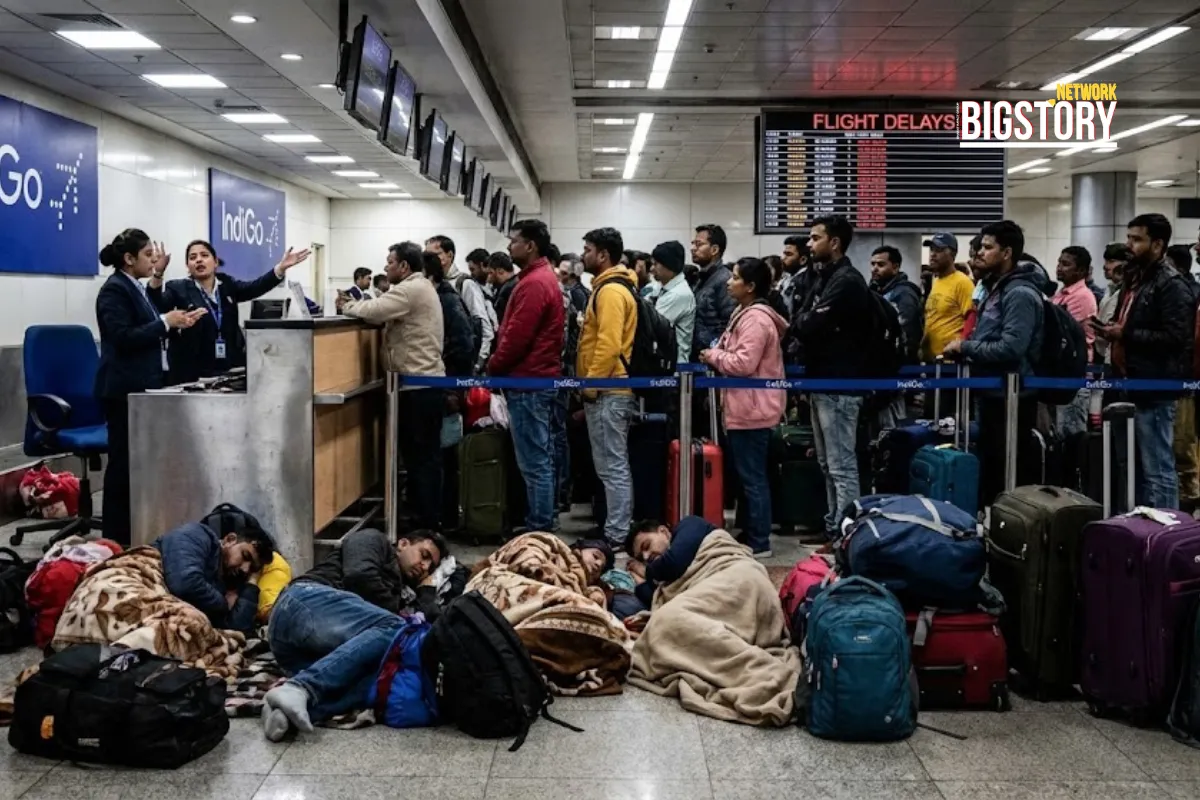
In a significant judicial development regarding India's ongoing aviation crisis, the Supreme Court of India today declined to entertain an urgent petition seeking intervention into IndiGo's mass flight cancellations. On December 15, 2025, a bench led by Chief Justice Surya Kant refused to hear the Public Interest Litigation (PIL), stating, "It is a grave concern for the public, but the high court is looking into it... We cannot run an airline." The dismissal directs the legal battle back to the Delhi High Court, signaling that the judiciary will defer to regulatory bodies like the DGCA to handle the operational meltdown that has left nearly a million passengers stranded since early December.
The crisis erupted on December 2, 2025, when IndiGo began cancelling flights en masse due to a shortage of pilots, triggered by the full implementation of new Flight Duty Time Limitations (FDTL) rules. Despite a two-year warning period, the airline failed to align its roster with the new mandates requiring 48-hour weekly rest for pilots. The situation peaked on December 5 with over 1,000 cancellations in a single day. Since then, the Directorate General of Civil Aviation (DGCA) has stepped in, granting temporary exemptions and suspending four of its own inspectors for oversight failures, while the Prime Minister's Office monitors the situation daily.
While headlines focus on the "cancelled flights," the deeper story is the "Regulatory Paradox." The crisis has exposed a dangerous feedback loop where a dominant market player (IndiGo controls 60% of traffic) effectively holds the aviation sector hostage. By failing to prepare for safety rules (FDTL), the airline created a disruption so severe that the regulator was forced to suspend those very safety rules to restore service. This "Safety Cost of Convenience" means passengers are flying on a schedule that the government explicitly deemed unsafe just a month ago. Furthermore, the suspension of DGCA's own inspectors suggests "Regulatory Capture"—where the watchdog was asleep at the wheel while the monopoly drove off a cliff.
The Supreme Court's hands-off approach places the burden of accountability squarely on the executive branch. If the Ministry of Civil Aviation and the Competition Commission of India (CCI) fail to penalize this failure adequately, it sets a dangerous precedent: that "Too Big To Fail" airlines can bypass regulations by simply manufacturing a crisis. For passengers, the immediate future holds uncertainty until February, but the long-term cost may be a less safe, more expensive aviation sector dominated by a single, unchallengeable giant.
If an airline can force the government to rewrite safety rules by simply cancelling flights, who is actually regulating Indian aviation?
Why did the Supreme Court reject the IndiGo PIL? The Supreme Court bench led by CJI Surya Kant stated that courts "cannot run an airline" and that the Delhi High Court was already seizing of the matter. The SC emphasized that operational grievances should first be addressed by lower courts and regulatory bodies.
What is the FDTL rule and why did it cause IndiGo to cancel flights? The Flight Duty Time Limitations (FDTL) rules, fully implemented on November 1, 2025, mandate increased rest periods for pilots (48 hours weekly) to prevent fatigue. IndiGo failed to hire enough pilots to cover these new rest requirements, leading to a roster collapse and mass cancellations.
What compensation can passengers claim for cancelled IndiGo flights? Passengers are entitled to full refunds or alternative flights. The DGCA has also mandated compensation for delays beyond certain thresholds. However, specific compensation amounts for this crisis are subject to ongoing Delhi High Court proceedings and individual claims.
Did IndiGo deliberately create the crisis? Pilot unions like ALPA India have alleged that IndiGo deliberately under-prepared for the FDTL rules to create a crisis and pressure the government into relaxing the safety norms. The airline has denied this, attributing it to planning gaps.
News Coverage
Context & Analysis
 Exclusive Content


Sign up for the Daily newsletter to get your biggest stories, handpicked for you each day.

 Trending Now! in last 24hrs


