
Mamata Banerjee urged women to use "kitchen tools" to resist voter deletion during the SIR process. The BJP calls it incitement as panic grips Bengal.
 Brajesh Mishra
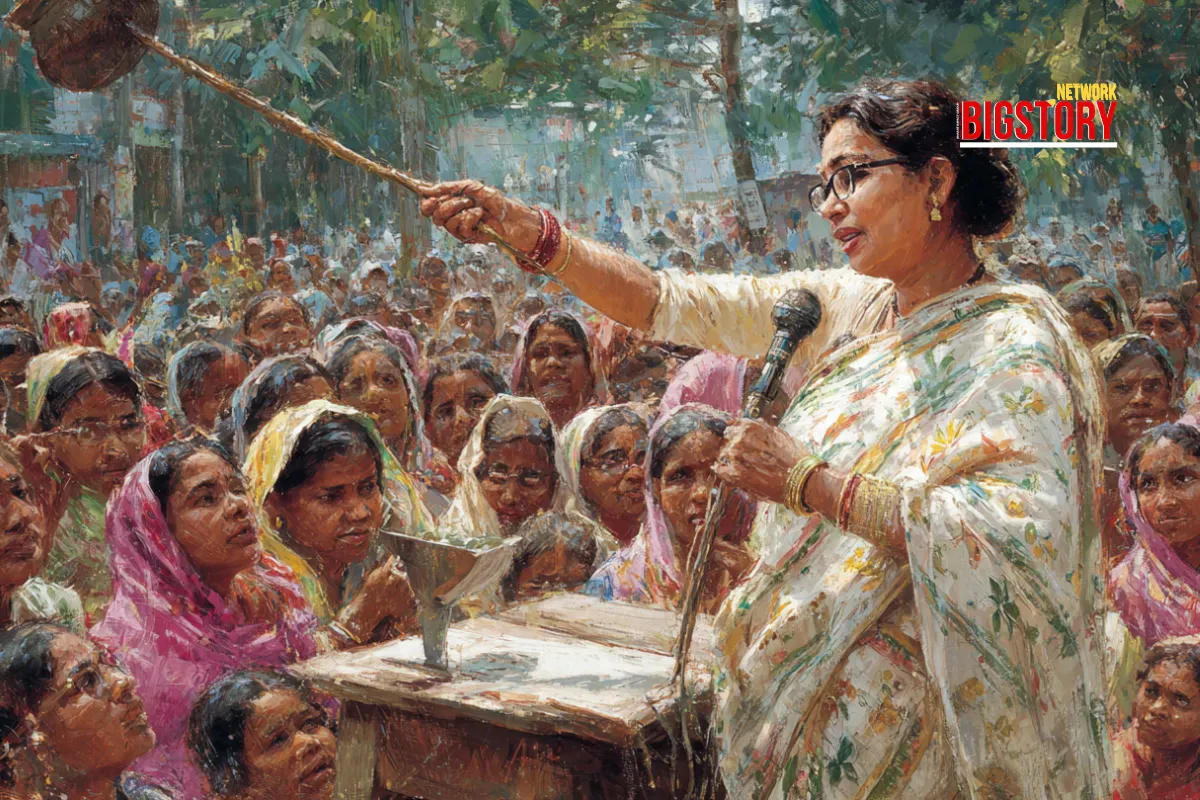
West Bengal Chief Minister Mamata Banerjee ignited a political storm on December 10, 2025, by urging women to use their "kitchen tools" (hata, khunti, bonti) to resist if their names are struck off the electoral rolls during the ongoing Special Intensive Revision (SIR). Speaking at a rally in Krishnanagar, Banerjee framed the Election Commission's verification drive as a targeted "voter purge" designed to disenfranchise Bengal's citizens ahead of the 2026 Assembly elections. Her comments have drawn immediate condemnation from the BJP, which accused her of inciting violence against government officials.
The controversy centers on the SIR exercise, launched on November 4 across 12 states to update voter lists. In West Bengal, the process has triggered widespread anxiety, with reports of over 20 deaths, including suicides by overworked Booth Level Officers (BLOs) and citizens fearing exclusion. Banerjee has consistently opposed the SIR, previously writing to the Chief Election Commissioner to demand a halt. Her escalation to "kitchen tools" rhetoric follows the announcement of state-sponsored "May I Help You" camps, positioning the TMC government as the protector of citizens against a "dangerous" central mandate.
While headlines focus on the "violence," the deeper story is the "Weaponization of the Domestic." Banerjee’s choice of bonti (a curved cutting blade) and khunti (ladle) isn't random; it's a historical callback to Bengal's legacy of women's resistance. She is signaling that the threat to citizenship has entered the home. However, this rhetoric also masks a critical failure: the administrative collapse that requires citizens to produce complex biometric and lineage documents they simply do not possess. The real violence isn't in the speech; it's in the bureaucracy that has allegedly driven 20 people to their deaths over a voter ID card.
This rhetoric effectively militarizes the upcoming electoral revision process. BLOs, already stressed, now face the prospect of hostile reception in rural areas. Politically, it consolidates the TMC's narrative of "Bengal vs. The Centre," setting the stage for a highly polarized 2026 election. Furthermore, Banerjee’s warning about "AI-generated videos" suggests the battleground will also be digital, with deepfakes likely to be used to further stoke the very panic she claims to be fighting.
If a voter list update requires citizens to arm themselves with kitchen knives, has the process failed the democracy it's meant to serve?
What did Mamata Banerjee mean by her "kitchen tools" statement? Mamata Banerjee urged women in West Bengal to be prepared to use their "kitchen tools" (specifically bonti and khunti) to resist if authorities attempt to delete their names from the voter list or intimidate them during the Special Intensive Revision (SIR) process.
Why is Mamata Banerjee opposing the SIR? She alleges that the SIR is a politically motivated exercise by the central government to disenfranchise Bengali-speaking and minority voters ahead of the 2026 Assembly elections. She also cites the humanitarian cost, claiming over 20 people have died due to panic and stress related to the process.
What is the SIR in West Bengal? The Special Intensive Revision (SIR) is a comprehensive update of the electoral rolls conducted by the Election Commission of India. It involves verifying voter details to remove duplicates, deceased voters, and ineligible entries.
Is Mamata Banerjee's statement legal? The statement has drawn criticism and complaints from the BJP, who argue it amounts to incitement to violence against public servants. However, no formal legal action or FIR has been registered as of December 11, 2025.
News Coverage
Research & Analysis
 Exclusive Content


Sign up for the Daily newsletter to get your biggest stories, handpicked for you each day.



 Trending Now! in last 24hrs


