
DOJ releases redacted Epstein files, missing the Dec 19 deadline. 1,000+ Trump mentions and 550+ redacted pages spark cover-up accusations.
 Brajesh Mishra
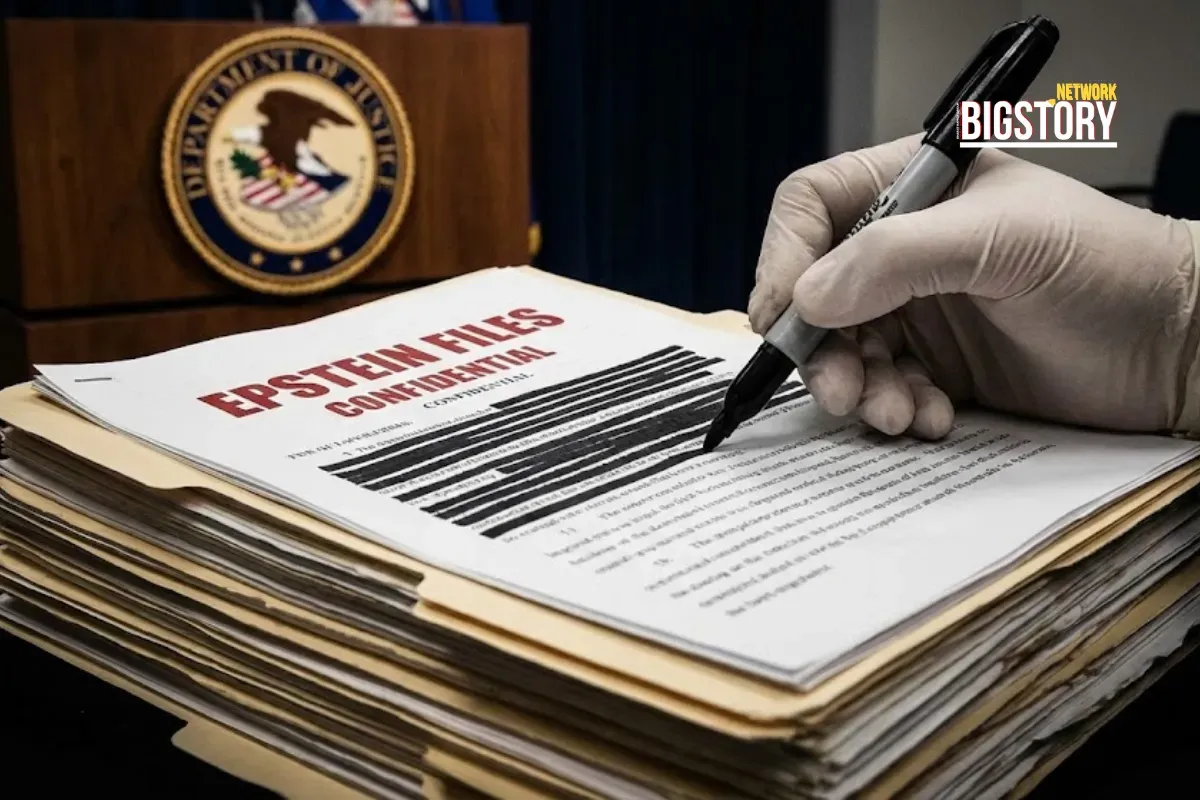
In a move that has satisfied virtually no one, the Department of Justice (DOJ) released an initial tranche of Jeffrey Epstein-related files on December 19, 2025—missing the legal deadline imposed by the Epstein Files Transparency Act. Instead of the promised full disclosure, the public received thousands of pages riddled with black ink. Over 550 pages were entirely redacted, and the DOJ announced the remaining hundreds of thousands of documents would be released on a "rolling basis." This partial compliance has triggered a bipartisan firestorm, with critics accusing the Trump administration of violating the law's explicit prohibition on redactions for "embarrassment or reputational harm."
The release follows the signing of the Transparency Act by President Trump on November 19, 2025, which mandated full disclosure within 30 days. However, the rollout has been chaotic. On December 21, the DOJ briefly removed—then reinstated—a photo containing President Trump, fueling accusations of political interference. This comes amidst the release of grand jury records related to Ghislaine Maxwell, whose 20-year conviction was upheld by the Supreme Court in October. The files span over a decade of federal investigations, shedding light on a system that repeatedly failed to stop Epstein despite early warnings.
While headlines chase celebrity names, the deeper story is the "Redaction Strategy." The DOJ’s "rolling release" tactic effectively dilutes the impact of the disclosure. By trickling out documents over weeks, sensitive information can be buried in later news cycles. Furthermore, the Project Veritas allegation—that the DOJ is "redacting every Republican" while exposing Democrats—remains unverified but explosive. If true, it transforms a transparency initiative into a political weapon.
Crucially, the "1996 Warning" is the systemic failure story. The confirmation that the FBI knew about Epstein’s predation three decades ago and did nothing shifts the blame from one man to the entire federal apparatus. It raises the question: who protected Epstein in the 90s?
The botched release has eroded trust in the "Transparency Act" before it even fully began. Politically, the heavy redactions provide ammunition for both sides: Democrats claim a cover-up for Trump, while Republicans claim the "Deep State" is still protecting its own. Legally, the failure to meet the statutory deadline opens the DOJ to potential lawsuits from media organizations and victim advocacy groups.
If a law explicitly banning "reputational redactions" results in 550 pages of black ink, is the government protecting victims, or is it protecting itself?
What exactly is in the newly released Epstein files? The initial batch includes thousands of photos, grand jury transcripts, and investigative records from federal probes into Jeffrey Epstein. Notable contents include flight logs, over 1,000 mentions of Donald Trump, and FBI records confirming Maria Farmer reported Epstein's abuse in 1996.
Is Donald Trump named in the Epstein files? Yes, Donald Trump is mentioned over 1,000 times in the released documents. References include flight logs, photos, and emails. However, Trump has denied any involvement in Epstein's crimes, and no new evidence of direct criminal wrongdoing by him has surfaced in this specific tranche.
Did the Justice Department violate the transparency law? Critics argue yes. The Epstein Files Transparency Act required full release by December 19, 2025. The DOJ missed this deadline for a complete release, opting for a "rolling" schedule and heavily redacting over 550 pages, which opponents claim violates the law's ban on redactions for "reputational harm."
Who are the main people named in the Epstein files? Aside from Epstein and Maxwell, the files name over 150 prominent figures, including Bill Clinton, Prince Andrew, Bill Gates, and Donald Trump. It is important to note that being named in the files does not automatically imply criminal guilt, as many names appear in social or business contexts.
News Coverage
Analysis & Context
 Exclusive Content


Sign up for the Daily newsletter to get your biggest stories, handpicked for you each day.



 Trending Now! in last 24hrs