
Adhir Ranjan Chowdhury meets PM Modi to protest the harassment of Bengali migrant workers labeled as "infiltrators" in BJP states. 58 lakh names deleted from Bengal voter list.
 Brajesh Mishra
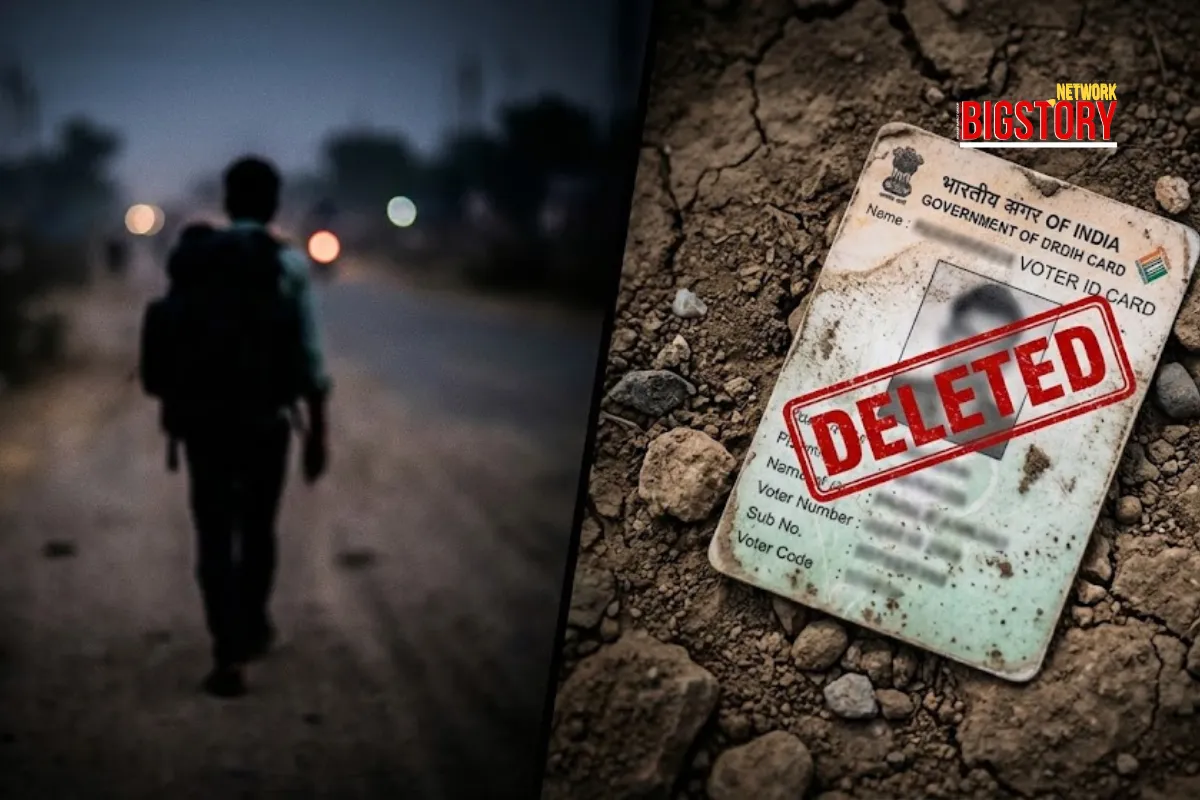
The crisis of identity for Bengali-speaking citizens has reached the Prime Minister’s doorstep. On December 29, 2025, senior Congress leader Adhir Ranjan Chowdhury met Prime Minister Narendra Modi in New Delhi, handing over a letter that flags a dangerous trend: Bengali migrant workers in BJP-ruled states are being "treated as infiltrators" and jailed solely because of their language. The meeting was triggered by the recent lynching of a migrant worker from Murshidabad in Odisha’s Sambalpur, who was branded a "Bangladeshi" before being beaten to death. Adhir’s intervention frames this violence not as isolated incidents, but as "racial profiling" fueled by political rhetoric.
The backdrop is a dual crisis. First, the Special Intensive Revision (SIR) of electoral rolls in West Bengal has led to the deletion of over 58 lakh names (approx. 7.5% of voters), creating panic among the Matua community and Muslims that they are being disenfranchised ahead of the 2026 elections. Second, the "Infiltrator Narrative" championed by BJP leaders like Amit Shah has seemingly trickled down to street-level vigilantism in states like Odisha and Uttar Pradesh. Adhir claims that local administrations often "misunderstand" Bengali dialect as proof of illegal Bangladeshi status, leading to wrongful detentions of genuine Indian citizens.
While mainstream coverage focuses on "Congress vs. BJP," the deeper story is the "Matua Paradox." Adhir’s letter exposes a fracture in the BJP’s strategy. The party promised citizenship to Matuas (Hindu refugees) via CAA, yet the SIR process is reportedly deleting their names from voter lists, and the anti-Bengali sentiment in other states does not distinguish between a Hindu Matua and a Muslim migrant. Adhir is asking a potent political question: If the BJP claims to protect persecuted Hindus, why are Bengali Hindus being jailed as infiltrators in BJP states?
Additionally, the "Algorithmic Disenfranchisement" angle looms large. With 58 lakh names deleted, allegations are surfacing that the SIR process used automated software to flag "suspicious" voters based on surname and locality matching rather than physical verification. This raises the specter of an AI-assisted purge of electoral rolls, where technology amplifies bias.
This meeting elevates the issue from a state-level law and order problem to a national question of linguistic federalism. If speaking a scheduled language (Bengali) becomes a liability in other Indian states, it challenges the constitutional right to free movement. For the 2026 Bengal elections, this narrative—that "Bengalis are unsafe under BJP rule anywhere"—will be a central campaign weapon for both Congress and TMC.
If an Indian citizen can be killed in another state simply for speaking their mother tongue, is the "One India" narrative failing the very people who migrate to build it?
What did Adhir Ranjan Chowdhury write in his letter to PM Modi? In his letter dated December 29, 2025, Adhir Ranjan Chowdhury stated that Bengali-speaking migrant workers in BJP-ruled states are being "treated as infiltrators" and jailed purely due to their language. He cited the fear among the Matua community regarding voter list deletions and demanded the PM's intervention to stop this "racial profiling."
Why are Bengali workers being called infiltrators in Odisha? The controversy escalated after a migrant worker from Murshidabad was beaten to death in Sambalpur, Odisha, on December 24, 2025. Locals allegedly branded him a "Bangladeshi infiltrator" based on his dialect. Adhir cited this incident as proof that the political rhetoric against illegal immigrants is endangering genuine Indian Bengali citizens.
What is the SIR controversy in West Bengal 2025? The Special Intensive Revision (SIR) of electoral rolls, conducted by the Election Commission, resulted in the deletion of over 58 lakh names (approx. 7.5% of the electorate). Opposition parties claim this disproportionately targeted minority and Dalit (Matua) communities, fueling fears of mass disenfranchisement ahead of the 2026 Assembly Elections.
News Coverage
Context & Data
 Exclusive Content


Sign up for the Daily newsletter to get your biggest stories, handpicked for you each day.


 Trending Now! in last 24hrs


