
US Trade Rep Jamieson Greer calls India's trade offer "the best ever received" as negotiators meet in Delhi to finalize a deal amidst 50% tariffs.
 Brajesh Mishra
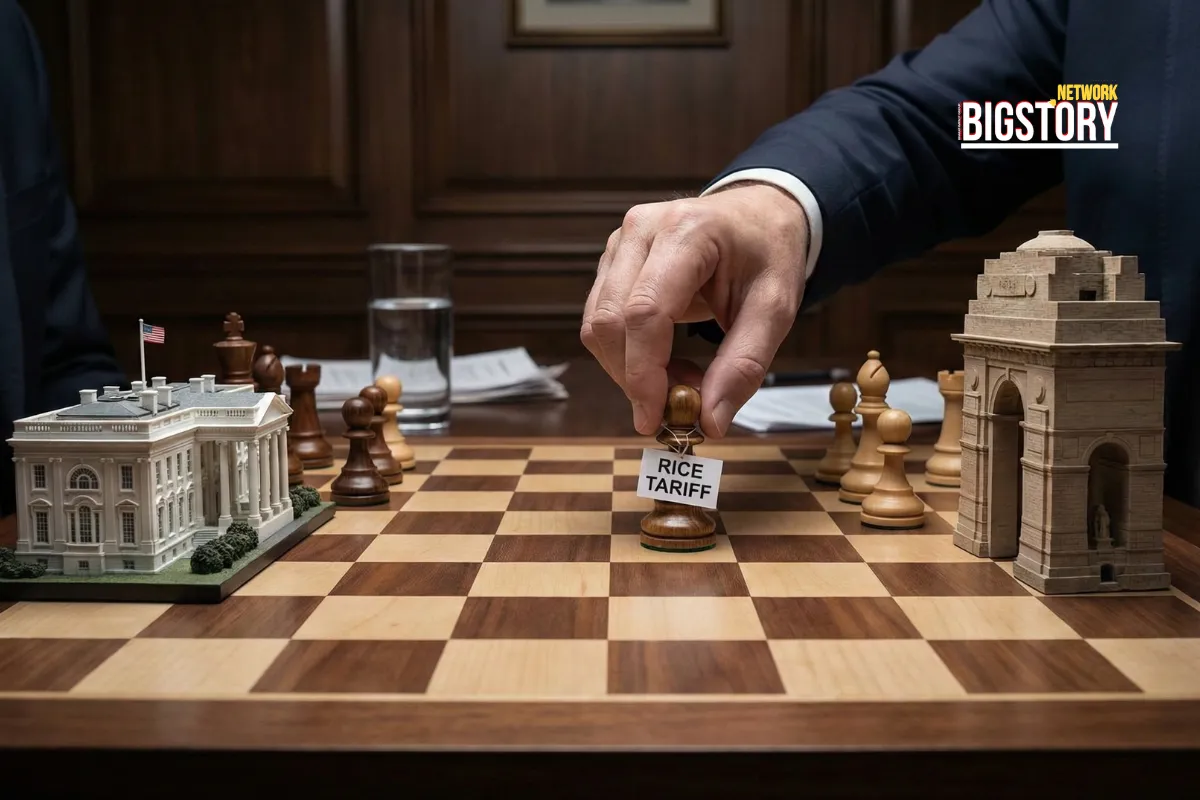
In a dramatic turn for US-India relations, US Trade Representative Jamieson Greer announced today that India has put forward "the best offer we've ever received as a country" in ongoing trade negotiations. The statement comes as a high-level US delegation, led by Deputy USTR Rick Switzer, arrives in New Delhi to finalize the first phase of a comprehensive trade agreement before year-end. This breakthrough occurs against a backdrop of immense economic pressure, with India facing 50% tariffs on its goods due to Russian oil purchases and President Donald Trump threatening fresh duties on Indian rice just hours before the talks.
The negotiations have been fraught with tension since February 2025, when both nations set a target of $500 billion in bilateral trade by 2030. Progress stalled in the fall after the US imposed punitive tariffs, but India has now pivoted. The appointment of veteran negotiator Darpan Jain as India's lead last week signaled a renewed urgency. India's "best offer" reportedly includes unprecedented market access for US agricultural products like soy, grain sorghum, and ethanol, as well as zero-tariff entry for civil aviation parts—sectors historically shielded by New Delhi. This flexibility marks a strategic calculation to offset the pain of existing tariffs and align closer with the US supply chain.
While headlines focus on "trade," the deeper story is the "Geopolitical Ransom." India isn't opening its markets just for economic reasons; it is paying a premium for strategic alignment. The "best offer" is essentially a fee to remain in the US security orbit while managing the fallout of its Russian energy ties. By conceding on agriculture—a politically sensitive sector domestically—the Modi government is signaling that the long-term benefits of the TRUST initiative (tech and defense cooperation) outweigh the short-term costs of tariff barriers. This deal is the economic foundation for a military and technological alliance designed to counter China.
If finalized, this deal will reshape global supply chains. It positions India as the primary "China +1" manufacturing hub for the US, potentially unlocking billions in investment. However, for Indian farmers, the influx of US agricultural goods could be disruptive. Politically, it creates a new narrative for the Modi government: trading protectionism for high-tech growth. For the US, it validates the controversial use of tariffs as a diplomatic tool, setting a precedent for future negotiations with other allies.
If "free trade" now comes with a 50% tariff tag, are we negotiating commerce, or paying for protection?
What is India's "best offer ever" in trade negotiations with the US? According to USTR Jamieson Greer, India has made unprecedented concessions to open its markets, particularly in agriculture (sorghum, soy, ethanol) and civil aviation parts, marking a significant shift from its traditional protectionist stance.
Will the US remove 50% tariffs on Indian goods? The ongoing negotiations aim to reduce these tariffs in phases. The first tranche of the agreement targets reciprocal tariff reductions, but full normalization will depend on further concessions in the second phase of talks.
Why is the US threatening tariffs on Indian rice? President Trump threatened new tariffs on Indian rice, alleging "dumping," to create leverage for US farmers just before the trade delegation arrived in New Delhi. It is a negotiating tactic to ensure US agricultural interests are prioritized.
Who is leading the negotiations? For the US, the delegation is led by Deputy USTR Rick Switzer. For India, the newly appointed Chief Negotiator is Darpan Jain, a senior IAS officer with extensive experience in commerce.
News Coverage
Research & Analysis
 Exclusive Content


Sign up for the Daily newsletter to get your biggest stories, handpicked for you each day.

 Trending Now! in last 24hrs


