
Ghaziabad police used a "citizenship machine" to harass a slum resident. The viral video exposes the reality of profiling in Operation Torch.
 Brajesh Mishra
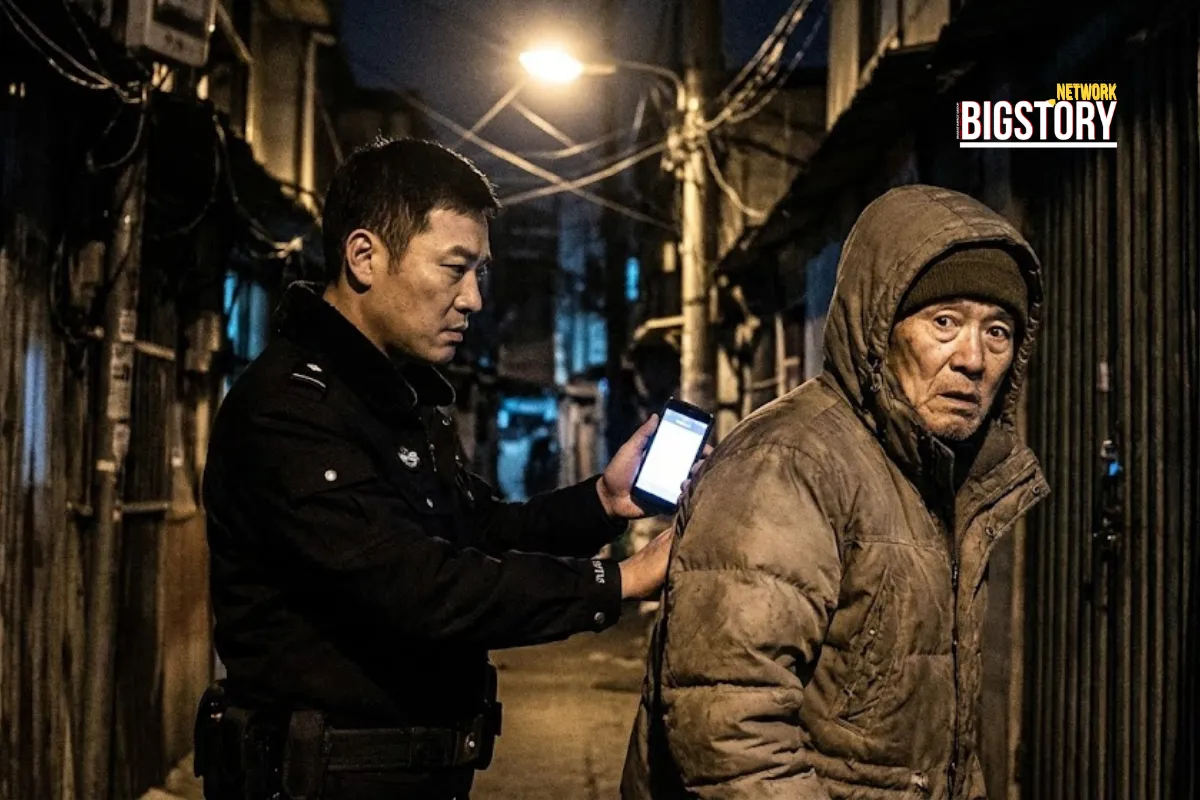
It started as a viral joke but ended as a chilling admission. On January 1, 2026, a video exploded across social media showing Ghaziabad Station House Officer (SHO) Ajay Sharma pressing a mobile phone against the back of an elderly man, claiming it was a "machine" that could detect his nationality. Despite the man, 76-year-old Mohammad Saddique, presenting valid Aadhaar and voter IDs proving he was from Bihar, the officer declared the "machine" had identified him as Bangladeshi. While the internet laughed at the absurdity, the incident took a darker turn on January 2 when Sharma admitted to the Times of India that the "machine" was a lie—a deliberate "psychological tactic" to pressure residents during a state-directed crackdown on "infiltrators."
The incident occurred in the Bhowapur slums under the Kaushambi police station, part of "Operation Torch"—a statewide initiative directed by CM Yogi Adityanath to identify undocumented immigrants. The operation targets slums, operating in a legal gray area where police conduct door-to-door verification without the formal District-Level Committees mandated by citizenship laws. Saddique, a fish seller who has lived in Ghaziabad since 1987, became a victim of this profiling. The viral video didn't just capture a rogue officer; it captured the modus operandi of a system where poverty is treated as a proxy for suspicion, and where police feel empowered to invent technology to justify harassment.
While mainstream coverage focuses on the "Fake Machine Hoax," the deeper story is the "Systemic Profiling of Slums." Police aren't scanning residents in upscale apartments; they are exclusively targeting the poor. The 2020 Status of Policing in India report found that 47% of police personnel exhibit bias against migrants and minorities. This incident proves that bias in action: the presumption of guilt attached to slum dwellers is so strong that police will fabricate evidence (or "machines") to confirm it.
Furthermore, the "Regulatory Vacuum" allows this to happen. India has no law governing the use of algorithmic or biometric tools by police. Today, it’s a fake phone scan; tomorrow, it could be a biased AI facial recognition tool. If police are willing to lie about a phone, what will they do with "black box" algorithms that cannot be questioned?
The "Citizenship Machine" debacle has inadvertently pulled the curtain back on Operation Torch. It challenges the legitimacy of the entire verification drive—if officers are using fake methods, how many "illegal immigrants" identified so far are actually just intimidated Indian citizens like Saddique? Without independent oversight (exacerbated by the absence of watchdogs like Amnesty International), such operations risk becoming tools of mass harassment rather than national security.
If a police officer feels comfortable inventing a "nationality detector" on camera, what other laws are they inventing when no one is filming?
Is there really a machine that can detect nationality by touching someone? No. Nationality is a legal status determined by documents, not biology. The "machine" used by the Ghaziabad SHO was a standard mobile phone. The officer later admitted it was a "psychological tactic" to pressure the resident into confessing he was a foreigner.
Why did Ghaziabad police specifically target slum residents for citizenship checks? The incident was part of "Operation Torch," a drive to identify undocumented immigrants. Critics and data suggest police disproportionately target slums because residents lack the resources to challenge authority. The Status of Policing in India Report notes significant bias against migrants and minorities in law enforcement.
What is Operation Torch and is it legal? Operation Torch is a directive by the UP government to identify illegal immigrants. While the state has a mandate to secure borders, legal experts argue that ad-hoc door-to-door verification by police, without the formal committees prescribed by the Citizenship Act, operates in a legal gray area and is prone to abuse.
News Coverage
Context & Accountability
 Exclusive Content


Sign up for the Daily newsletter to get your biggest stories, handpicked for you each day.



 Trending Now! in last 24hrs


