
Karnataka tables the Hate Speech Bill 2025, proposing 10 years jail for offenders and criminalizing "emotional injury." BJP calls it a tool to crush dissent.
 Brajesh Mishra
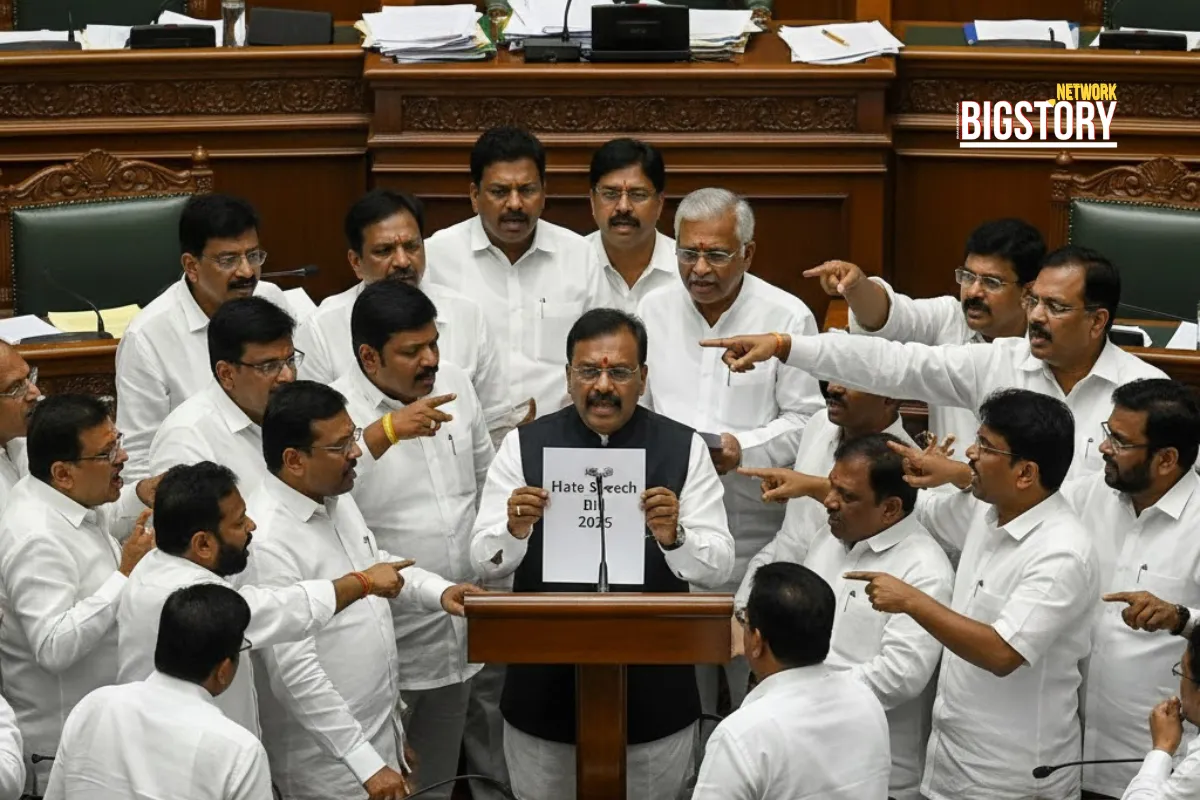
In a legislative move that has triggered a political storm, the Karnataka government tabled the Karnataka Hate Speech and Hate Crimes (Prevention) Bill, 2025 in the Legislative Assembly on December 10. The bill, introduced by Home Minister G. Parameshwara, proposes some of the harshest penalties in the country for hate speech, including up to 10 years of imprisonment for repeat offenders. However, it is the bill's expanded definition of crime—specifically criminalizing speech that causes "emotional or psychological injury"—that has drawn fierce opposition from the BJP, who label it a tool to silence critics and target Hindu activists.
The legislation stems from the Congress party's 2023 manifesto promise to take a "zero-tolerance" approach to communal polarization, particularly in the sensitive coastal belt of the state. While existing laws (IPC sections) address hate speech, the state government argues they are insufficient to tackle the modern velocity of digital hate. The bill was cleared by the Cabinet earlier this month and tabled during the Winter Session in Belagavi, setting the stage for a heated legal and political battle.
While headlines focus on the "10-year jail term," the deeper story is the "Subjectivity Trap." By criminalizing "emotional injury," the bill moves the benchmark of a crime from an objective act (incitement to violence) to a subjective feeling (being offended). This creates a legal minefield where any criticism could be construed as a crime depending on the "feelings" of the recipient. Furthermore, the bill attempts to bypass the Federal Internet Monopoly. Typically, only the Central Government (under Section 69A of the IT Act) has the power to order content takedowns. By empowering a state officer to do the same, Karnataka is setting up a constitutional collision with the Centre over who controls the internet.
If passed, this bill could create a "chilling effect" on free speech in Karnataka. Journalists, activists, and ordinary citizens may self-censor to avoid the ambiguity of "emotional injury." Legally, it sets a precedent for other states to enact similar "parallel censorship" laws, potentially fragmenting India's digital legal framework. Politically, expect the BJP to challenge this in court, arguing it violates the fundamental right to free speech.
If a law defines crime based on how someone feels rather than what someone does, is there any speech that remains truly free?
What is the punishment under the Karnataka Hate Speech Bill 2025? The bill proposes rigorous imprisonment of 1 to 7 years for a first offense and up to 10 years for repeat offenders, along with fines up to ₹1 lakh and mandatory victim compensation.
Can the Karnataka government delete social media posts under this bill? Yes. The bill empowers a "Designated Officer" to order social media intermediaries (like X or Facebook) to block or remove content that is deemed to cause communal disharmony or hate, potentially bypassing central government procedures.
Does the bill cover "emotional injury"? Yes. One of the most controversial provisions is the inclusion of acts that cause "emotional or psychological injury" as part of the definition of hate crimes, which critics argue is subjective and prone to misuse.
Why is the BJP opposing the bill? The BJP argues that the definitions in the bill are too vague and could be weaponized to target political opponents, Hindu activists, and critics of the government under the guise of maintaining harmony.
News Coverage
Research & Analysis
 Exclusive Content


Sign up for the Daily newsletter to get your biggest stories, handpicked for you each day.

 Trending Now! in last 24hrs


