
Bihar CM Nitish Kumar faces outrage after pulling down a doctor's hijab. Victim Nusrat Parveen flees state as JDU calls the act "affectionate."
 Brajesh Mishra
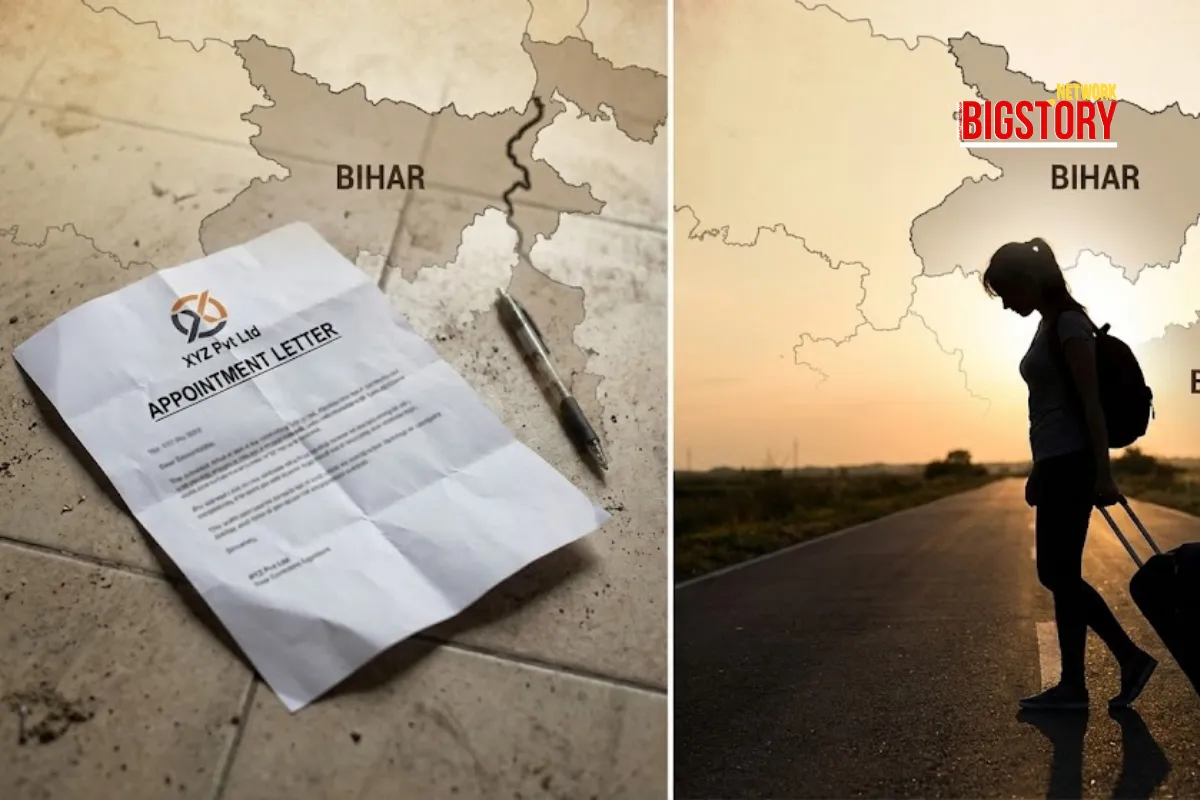
Bihar Chief Minister Nitish Kumar finds himself at the center of a national political storm after a video surfaced showing him forcibly pulling down the hijab of a Muslim woman doctor, Nusrat Parveen, during a public ceremony in Patna on December 15, 2025. The incident, which occurred while he was handing out appointment letters to 1,283 AYUSH doctors, has drawn fierce condemnation from opposition parties, cultural figures, and international observers. While the Janata Dal (United) defends the act as an "affectionate gesture," the victim has reportedly fled the state in trauma, refusing to accept her government posting.
The controversy is heightened by the Chief Minister's own past stance. In February 2022, amid the Karnataka hijab row, Nitish Kumar explicitly stated that the hijab was a "non-issue in Bihar" and that the state respects religious sentiments without interference. His December 15 action—questioning "What is this?" before yanking the scarf—directly contradicts that public commitment. Coming just a year after the JDU-BJP coalition won the 2024 state elections, this incident exposes the fragile ideological balance of a leader who once championed secularism but now governs in alliance with the BJP.
While headlines focus on the "hijab," the deeper story is the "Paternalism of Power." The JDU's defense—that the CM was showing "love" and wanted to see the "face of a successful Muslim daughter"—reveals a deeply ingrained patriarchal mindset where men in power feel entitled to police women's bodies under the guise of affection. This isn't just about religious freedom; it is a consent crisis. By framing a physical violation as a benevolent act, the state is normalizing the idea that women's autonomy is secondary to the whims of male authority figures. It turns a clear case of assault into a debate about "intent," effectively gaslighting the victim and the public.
Politically, this incident threatens to erode Nitish Kumar's remaining credibility as a secular alternative within the NDA. Internationally, the condemnation from Pakistan's Foreign Minister turns a domestic incident into a diplomatic embarrassment, reinforcing narratives of rising intolerance. For women in Bihar, the message is chilling: if a Chief Minister can violate a doctor's dignity on camera and call it "love," what protection does the average citizen have?
If removing a woman’s clothing without her consent is "affection" when a Chief Minister does it, what do we call it when an ordinary citizen does the same?
What happened when Bihar CM Nitish Kumar pulled down a woman doctor's hijab? During an appointment letter distribution ceremony in Patna on December 15, 2025, Nitish Kumar questioned a Muslim doctor, Dr. Nusrat Parveen, about her hijab and then forcibly pulled it down from her face. The incident was caught on video and went viral.
Did Nitish Kumar apologize for the incident? No. As of December 19, 2025, Nitish Kumar has not issued an apology. His party, JDU, has defended the action, claiming he was showing "affection" and wanted the audience to see the face of a successful woman.
What happened to the doctor, Nusrat Parveen? Following the incident, Dr. Nusrat Parveen reportedly left Bihar due to mental trauma and embarrassment. Family sources indicate she has decided not to accept the government job offer she was receiving at the ceremony.
Why is this incident considered controversial? It is controversial because it involves a high-ranking official physically violating a woman's bodily autonomy and religious freedom in public. It also contradicts Nitish Kumar's own 2022 statement where he claimed the hijab was a "non-issue" in Bihar and that the state respected religious practices.
News Coverage
Research & Analysis
 Exclusive Content


Sign up for the Daily newsletter to get your biggest stories, handpicked for you each day.


 Trending Now! in last 24hrs


