
Former Union Home Minister Shivraj Patil has died at 90. Known for resigning after the 26/11 attacks and televising Parliament, he passed away in Latur.
 Brajesh Mishra
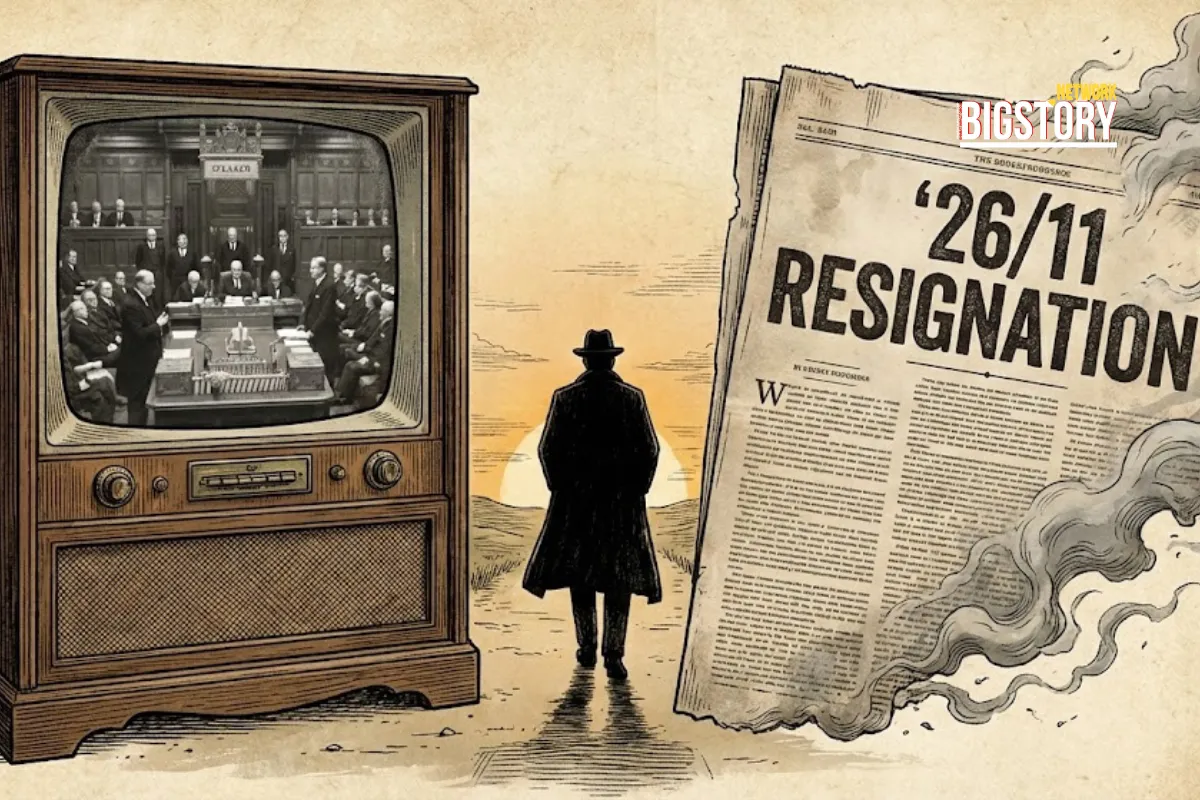
Veteran Congress leader Shivraj Patil, who served as India's Union Home Minister during the 26/11 Mumbai terror attacks, passed away today, December 12, 2025, at his residence in Latur, Maharashtra. He was 90. His death has triggered a wave of condolences across party lines, but also confusion on social media, where many users mistakenly searched for "Swaraj Patel." To clarify: it is Shivraj Patil, the 10th Speaker of the Lok Sabha, who has died.
Patil's career spanned five decades, bridging the era of Indira Gandhi to the modern Congress. He is best remembered for two defining moments: one constructive, one controversial. As Lok Sabha Speaker (1991–1996), he revolutionized Indian democracy by introducing live telecasts of parliamentary proceedings, turning the "Question Hour" into a household staple. However, his legacy was marred in 2008 when he resigned as Home Minister just four days after the 26/11 Mumbai attacks, following public outrage over security lapses and a PR disaster involving his "sartorial choices" during the crisis.
While obituaries will focus on his resignation, the deeper story is his role as the "Father of Televised Parliament." Before 1991, India's Parliament was an opaque fortress. By allowing cameras inside, Shivraj Patil fundamentally changed the relationship between the Indian voter and the representative. He made democracy visible. Today's viral parliamentary clips and 24/7 political scrutiny are the direct descendants of his decision. He may have left the Home Ministry in disgrace, but he left the Speaker's chair having permanently opened the doors of power to the public eye.
His passing marks the fading of the "Nehruvian" style of Congress leadership—polite, ceremonial, and fiercely loyal to the High Command. For Latur, his death leaves a void in local patronage that defined the region's development for decades. Politically, it reminds us of a time when ministers resigned on "moral grounds" after security failures—a precedent of accountability that has become increasingly rare in modern Indian politics.
We remember him for the clothes he changed during a tragedy, but shouldn't we remember him for changing how we see our democracy?
Who was Shivraj Patil? Shivraj Patil was a senior Congress leader who served as India's Union Home Minister (2004–2008) and the 10th Speaker of the Lok Sabha (1991–1996). He passed away on December 12, 2025.
Did Swaraj Patel pass away? No, the name "Swaraj Patel" appears to be a confusion/misspelling of Shivraj Patil, the former Home Minister of India, who died on December 12, 2025. There is no prominent public figure named Swaraj Patel reported dead recently.
Why did Shivraj Patil resign as Home Minister? He resigned on November 30, 2008, taking "moral responsibility" for the security lapses that led to the 26/11 Mumbai terror attacks. He faced severe criticism for the government's response to the crisis.
What was Shivraj Patil's contribution as Speaker? As Lok Sabha Speaker in 1991, Shivraj Patil initiated the live telecast of parliamentary proceedings, starting with the Question Hour. This move is credited with making parliamentary democracy more accessible to the Indian public.
News Coverage
Research & Analysis
 Exclusive Content


Sign up for the Daily newsletter to get your biggest stories, handpicked for you each day.


 Trending Now! in last 24hrs


