
The Supreme Court has reinstated the ban on end-of-life vehicles in Delhi-NCR, specifically stripping protection from BS-III models. BS-IV vehicles remain temporarily safe.
 Brajesh Mishra
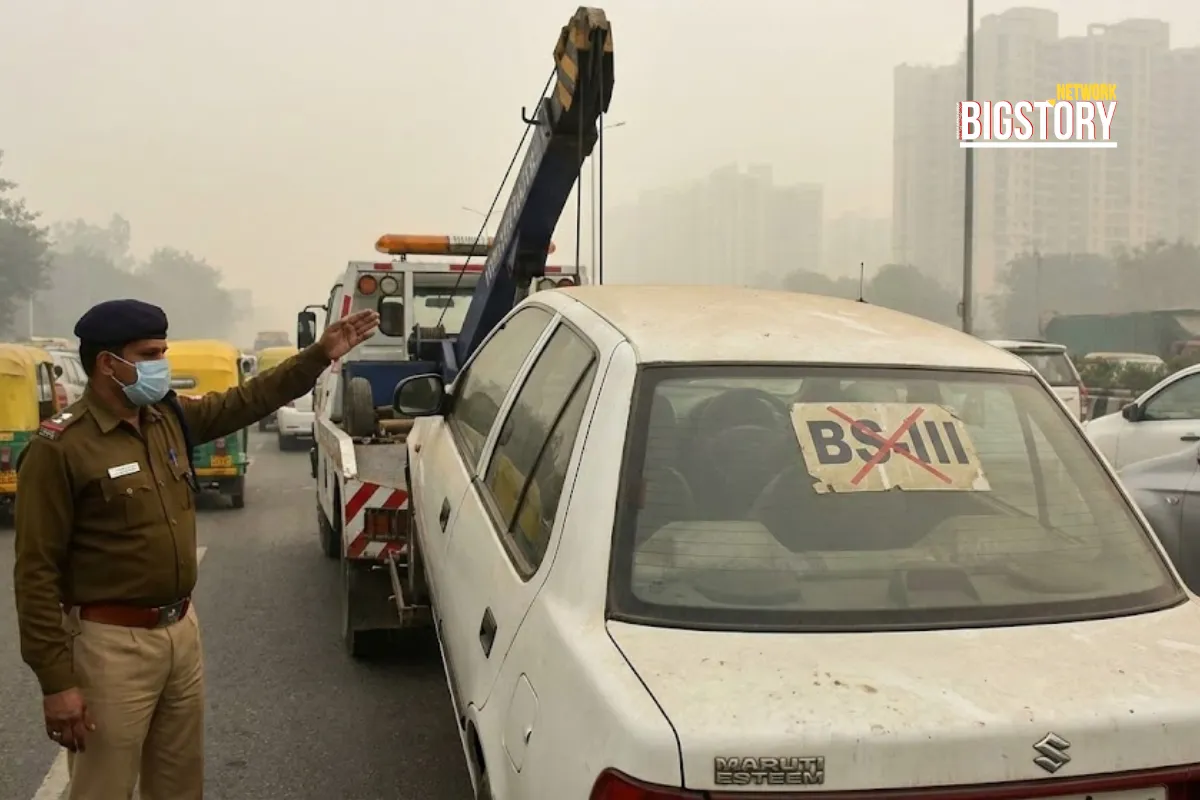
The Supreme Court of India has effectively reinstated the "End-of-Life" vehicle ban in Delhi-NCR, modifying its own previous order to prioritize public health over individual ownership. On December 17, 2025, a bench led by Justice Surya Kant lifted the protection from coercive action for vehicles compliant with BS-III or lower standards. This means authorities can now immediately seize and scrap diesel vehicles older than 10 years and petrol vehicles older than 15 years if they fail to meet the BS-IV emission benchmark. The ruling comes as the capital grapples with a severe winter pollution crisis, prompting the court to target the most polluting mobile sources.
The saga began in 2015 when the National Green Tribunal (NGT) ordered a blanket ban on old vehicles to combat Delhi's toxic air. In August 2025, amidst public outcry over a lack of scrappage infrastructure, the Supreme Court had paused coercive actions (like seizure), inadvertently creating a shield for millions of highly polluting older cars. However, faced with worsening Air Quality Index (AQI) levels, the Delhi government sought a modification. The court’s latest order clarifies that the "shield" now applies only to BS-IV (Bharat Stage 4) and newer vehicles, stripping immunity from the dirtier legacy fleet.
While headlines focus on the "Ban," the deeper story is the "BS-IV Loophole." The Supreme Court has introduced a critical nuance: age is no longer the only factor; emission technology is now the deciding line for enforcement. This creates a regulatory gray area where a 13-year-old diesel car (BS-IV) is currently safe from seizure, while an 11-year-old diesel car (BS-III) is liable to be impounded. This distinction rewards early adopters of cleaner tech while penalizing those who bought discounted older models. Furthermore, with 82 lakh vehicles now legally vulnerable, a "Scrappage Vacuum" looms—without a government-mandated price floor for scrap, millions of middle-class owners risk transferring their wealth to an unregulated scrap mafia for pennies on the dollar.
The enforcement landscape will shift from manual checks to AI-driven policing. Delhi’s transport department is expected to leverage Automatic Number Plate Recognition (ANPR) cameras linked to the Vahan database to auto-flag BS-III plates. For the auto market, resale values of pre-2010 cars in the NCR will crash to zero overnight, while the demand for second-hand BS-IV and BS-VI vehicles is likely to spike.
If the government mandates the death of your car to save the city's lungs, shouldn't it also guarantee you a fair price for its corpse?
Can I drive my BS-III petrol car in Delhi after the Supreme Court order of Dec 2025? No. If your BS-III petrol vehicle is older than 15 years, it is now subject to immediate seizure and scrappage. Even if it is younger than 15 years, BS-III vehicles often face restrictions during severe pollution periods (GRAP stages).
What vehicles are exempt from the Supreme Court ban in Delhi NCR? The Supreme Court has clarified that vehicles compliant with BS-IV (Bharat Stage 4) emission standards or newer are currently protected from coercive action (seizure), even if they are approaching the 10/15-year age limits, pending further judicial review.
Is the 10-year diesel ban reinstated in Delhi? Yes, but with a specific target. The ban is fully effective and enforceable against diesel vehicles older than 10 years that are BS-III or lower. Diesel vehicles older than 10 years that are BS-IV compliant have temporary protection from seizure under the modified order.
How many vehicles are affected by this order? Estimates suggest approximately 82 lakh (8.2 million) end-of-life vehicles across the National Capital Region (including parts of Haryana, UP, and Rajasthan) could be affected by the revival of these enforcement measures.
News Coverage
Research & Analysis
 Exclusive Content


Sign up for the Daily newsletter to get your biggest stories, handpicked for you each day.


 Trending Now! in last 24hrs


