
Supreme Court defers Sonam Wangchuk's NSA plea to Jan 8. Kapil Sibal to present crucial video evidence today. Analysis of the 100-day detention saga.
 Brajesh Mishra
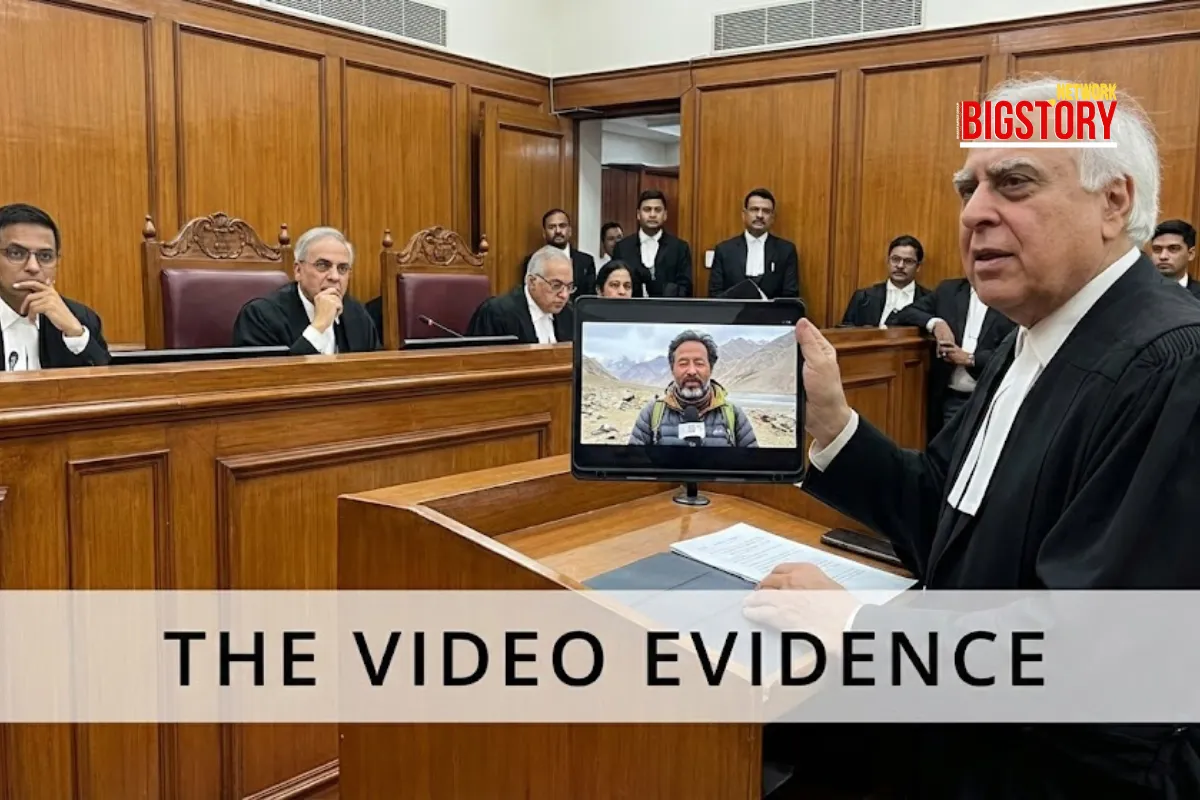
The legal battle for climate activist Sonam Wangchuk’s freedom hit a pause button yesterday but is poised for a dramatic turn today. On Wednesday, January 7, a Supreme Court bench led by Justice Aravind Kumar deferred the hearing of Wangchuk's habeas corpus plea to today, January 8, 2026. The adjournment was granted at the request of Justice P.B. Varale, who sought a day to study the voluminous case files. However, in a significant procedural win, the court granted senior advocate Kapil Sibal permission to play a video recording during today’s hearing—evidence the defense claims will dismantle the government's narrative of "incitement."
Sonam Wangchuk has been in custody since September 26, 2025, detained under the draconian National Security Act (NSA) following violent protests in Leh demanding Sixth Schedule status. The administration blames him for the unrest that claimed four lives on September 24. Wangchuk’s family, however, argues that his detention is based on "stale FIRs" and that he was actually appealing for peace. Currently lodged in Jodhpur Central Jail—thousands of kilometers from his home in Ladakh—Wangchuk’s detention has crossed the 100-day mark. The Centre has vigorously opposed his release, even blocking a request for him to appear via video conference last month.
While mainstream media reports the "Adjournment," the deeper story is the "Video that Wasn't Watched—Yet." The administration’s case rests on the claim that Wangchuk incited the mob. The defense's video likely shows the opposite—Wangchuk urging calm or being absent from the violence. By allowing this video to be played today, the Supreme Court has opened the door for digital evidence to override the police dossier. This is a critical moment: can a single video clip undo an NSA detention order?
Furthermore, the "Geography of Punishment" is a silent torture. Moving a Ladakhi native from the Himalayas to the desert of Jodhpur isn't just a logistical move; it isolates him from his legal team, his family, and his climate. It is a tactic designed to break resolve, a detail often lost in the legal jargon of habeas corpus.
If the court releases Wangchuk based on the video evidence, it sets a massive precedent against the casual use of the NSA to quell political dissent. It would also re-energize the stalled Sixth Schedule movement in Ladakh. However, if the detention is upheld, it signals that the state’s power to detain under "preventive" laws is virtually absolute, even against globally recognized activists.
If the man accused of inciting violence has video proof of himself pleading for peace, what does that say about the "National Security" threat he supposedly poses?
Why did the Supreme Court defer Sonam Wangchuk's case on January 7, 2026? The Supreme Court deferred the hearing to January 8, 2026, at the request of Justice P.B. Varale, who sought one day to review the case files and the voluminous records before proceeding.
What charges are filed against Sonam Wangchuk? Sonam Wangchuk is detained under the National Security Act (NSA). The Ladakh administration invoked this stringent law on September 26, 2025, accusing him of inciting the violent protests in Leh that resulted in four civilian deaths.
Is Sonam Wangchuk currently in Ladakh? No. Following his detention, Sonam Wangchuk was shifted out of Ladakh and is currently lodged in Jodhpur Central Jail in Rajasthan.
News Coverage
Context & Background
 Exclusive Content


Sign up for the Daily newsletter to get your biggest stories, handpicked for you each day.



 Trending Now! in last 24hrs


