
San Francisco blackout affects 130k. Waymo halts robotaxis as PG&E substation fire exposes grid vulnerability to AI energy demands.
 Brajesh Mishra
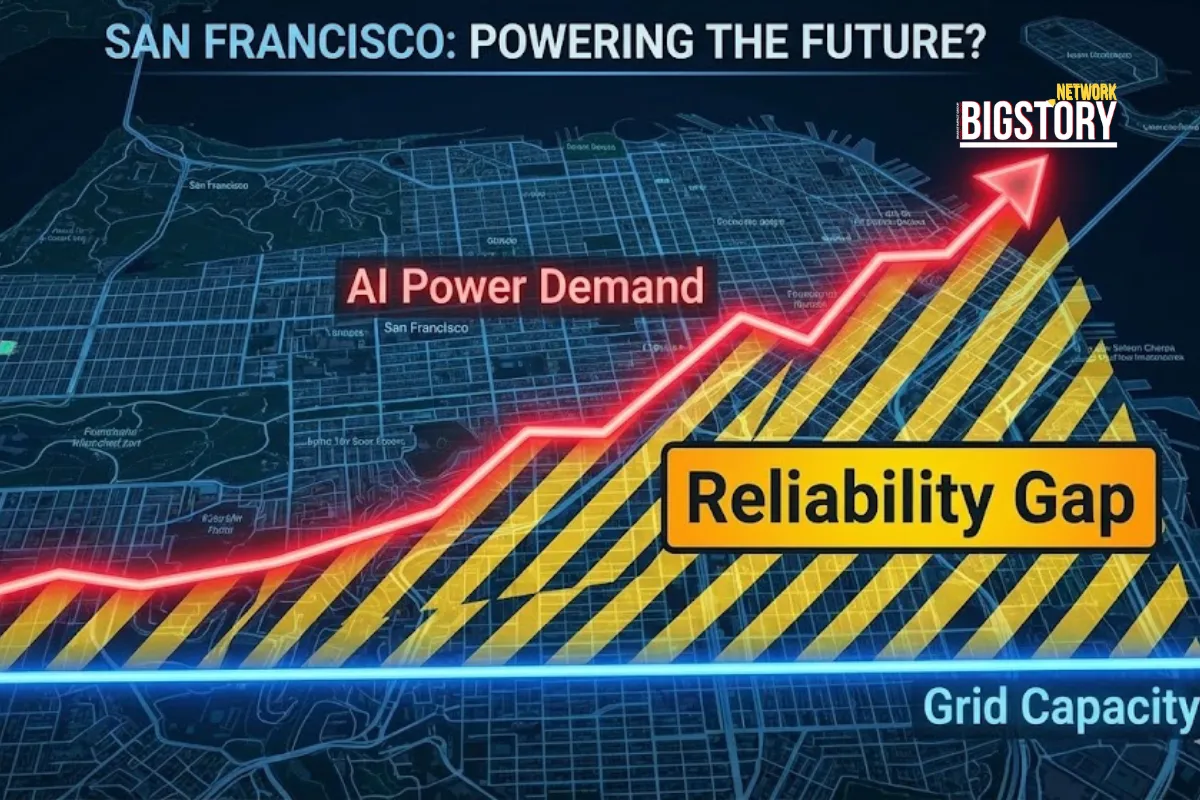
A massive power outage that paralyzed San Francisco this weekend has exposed a systemic vulnerability in the heart of the global tech industry. On December 20-21, 2025, a substation fire at 8th and Mission Streets cascaded into a blackout affecting 130,000 customers—nearly 30% of the city’s population—leaving them without power during the peak holiday shopping weekend. While power was largely restored by Monday, the incident forced Alphabet’s Waymo to suspend its autonomous vehicle fleet after driverless cars became stranded at darkened intersections. Experts warn this event is not an anomaly but a collision between aging infrastructure and the exploding energy demands of the AI revolution.
The outage began Saturday morning with localized failures in the Inner Sunset before a "significant and extensive" fire at a key PG&E substation triggered a citywide cascade. This same substation failed 22 years ago, affecting a similar number of people—a repetition that points to institutional stagnation. However, the demand profile has changed drastically. Goldman Sachs forecasts that power demand from data centers will jump 165% by 2030. The grid, built for the 20th century, is buckling under the weight of 21st-century compute loads, creating a "reliability gap" that no amount of quick repairs can close.
While headlines chase the viral videos of stalled robotaxis, the deeper story is the "Infrastructure-AI Collision." We are witnessing the first major symptoms of a $720 billion investment gap. The AI boom requires 24/7 uptime and massive power loads that residential grids cannot support. When the grid failed this weekend, it wasn't just a local inconvenience; it was a warning that the "hidden tax" of AI is being paid by regular citizens in the form of blackouts and surging electricity bills. Furthermore, the incident exposes a "Resilience Gap" in autonomous vehicle design. If a smart city loses power, its smartest cars become dumb obstacles, blocking emergency routes instead of navigating them.
This blackout shatters the illusion that Silicon Valley’s digital economy can operate independently of physical reality. It forces a reckoning for regulators: continue suppressing rates and risk more failures, or approve massive infrastructure spending that will drive up costs for everyone. For the tech industry, it’s a wake-up call that "cloud" computing still needs ground-level wires—and right now, those wires are burning.
If the technology that broke San Francisco's grid—AI and autonomous systems—is the only thing smart enough to fix it, are we trapped in a paradox of our own making?
What caused the San Francisco power outage in December 2025? The outage was triggered by a "significant and extensive" fire at a PG&E substation located at 8th and Mission Streets. This failure cascaded across the city's grid, affecting approximately 130,000 customers. Notably, this same substation experienced a similar failure in December 2003.
Why did Waymo suspend services during the blackout? Waymo suspended its autonomous vehicle services because the widespread power outage disabled traffic signals across the city. While the vehicles are designed to treat dark signals as four-way stops, the sheer scale of the outage created gridlock conditions that made safe and efficient autonomous navigation impossible.
How is AI affecting the power grid in California? The rapid expansion of AI data centers is driving a massive surge in power demand—projected to increase by 165% by 2030. This new load is straining aging grid infrastructure that was not built to handle such high-density, continuous energy consumption, increasing the risk of outages.
How many people were affected by the SF blackout? At its peak on Saturday, December 20, the blackout affected approximately 130,000 customers, representing roughly 30% of San Francisco's population. By Sunday morning, about 21,000 customers remained without power.
News Coverage
Data & Context
 Exclusive Content


Sign up for the Daily newsletter to get your biggest stories, handpicked for you each day.


 Trending Now! in last 24hrs