
Russian President Putin visits India for the 23rd Annual Summit. The agenda includes S-500 missile talks, a labor mobility pact, and a new "Forum of Importers.
 Brajesh Mishra
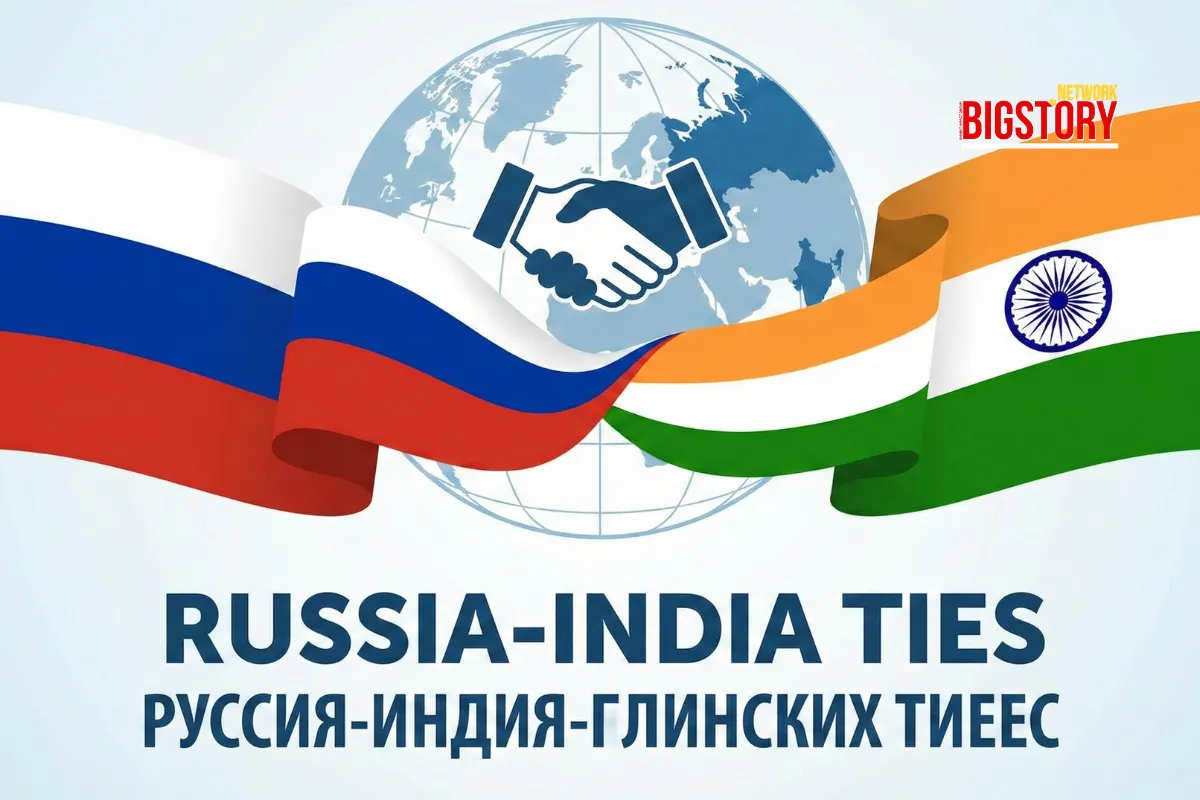
Russian President Vladimir Putin concluded a high-stakes two-day state visit to New Delhi on December 5, 2025, reaffirming the "Special and Privileged Strategic Partnership" with India. The summit, held amidst unprecedented economic pressure from the Trump administration—including a 50% tariff on Indian goods—resulted in sweeping agreements on defense, energy, and trade. By hosting Putin and committing to a $100 billion bilateral trade target by 2030, Prime Minister [Narendra Modi] has signaled a decisive break from Western coercion, prioritizing India's national interest over geopolitical alignment.
This visit marks a turning point. Since the invasion of Ukraine in 2022, India has walked a diplomatic tightrope, abstaining from UN condemnations while ramping up Russian oil purchases to secure its energy needs. The relationship faced its toughest test in August 2025 when President [Donald Trump] imposed punitive tariffs explicitly targeting India's "excessive" Russian oil imports. Instead of buckling, New Delhi doubled down. Putin’s visit institutionalizes this defiance, transforming a transactional relationship built on guns and oil into a structural alliance involving labor mobility, AI cooperation, and alternative payment mechanisms designed to bypass the dollar.
While headlines focus on "defiance," the deeper story is the "Economic Iron Dome." India isn't just buying oil; it's building a sanctions-proof economy. The new "Forum of Importers" and rupee-ruble trade mechanisms are designed to create a parallel financial ecosystem that the US Treasury cannot switch off. This is the practical application of "multipolarity"—a world where emerging powers like India create their own rules of engagement. The risk, however, is immense: India is betting that its market size is too valuable for the West to lose, effectively daring the US to choose between punishing a partner or accepting a rival.
This summit cements a "decoupled" reality. The West can no longer assume India will align with its security architecture against China if it means sacrificing energy security. The deepened defense ties, particularly in joint manufacturing, mean India's military will remain Russian-leaning for decades. Economically, the continued flow of cheap Russian oil gives India a competitive edge in manufacturing, potentially offsetting the pain of US tariffs. Geopolitically, it strengthens the BRICS bloc as a genuine counterweight to the G7, with India at its helm.
If the world's largest democracy decides that its national interest lies with the West's greatest adversary, does the "liberal international order" still exist?
Why is Putin visiting India in December 2025? President Putin is visiting for the 23rd India-Russia Annual Summit to celebrate 25 years of strategic partnership. The goal is to deepen ties in defense, energy, and trade, and to launch new initiatives like the "Forum of Importers."
What is the S-500 missile deal between India and Russia? The S-500 Prometheus is Russia's next-generation air defense system, capable of intercepting hypersonic missiles. Speculation is high that India and Russia will discuss potential acquisition or co-development during this summit to upgrade India's air shield.
What is the "Forum of Importers" mentioned in the summit? It is a new initiative proposed by Russia to facilitate the purchase of Indian goods (pharmaceuticals, machinery, etc.) by Russian companies. This aims to balance the trade deficit caused by India's massive oil imports and utilize the rupee surplus Russia has accumulated.
How will Putin's visit affect India-US relations? The visit defies US pressure, specifically President Trump's tariff threats. It signals India's "strategic autonomy," prioritizing its energy security and defense needs over Western sanctions, which could temporarily strain ties with Washington.
Sources
News Coverage
Research & Analysis
 Exclusive Content


Sign up for the Daily newsletter to get your biggest stories, handpicked for you each day.

 Trending Now! in last 24hrs


